
Ranking Portland’s Willamette Crossings as a Pedestrian
So yesterday I finally got around to crossing the St. John’s Bridge on a walk, and figured I’d rank all 12 of Portland’s bridges over the Willamette based on criteria that matter to me – the local pedestrian. My criteria were: Walkability on, Walkability west side, Walkability east side, # of peak hour transit trips, bikeability on, bikeability approaching, beauty/aesthetics, and length.
Number 12 – Marquam
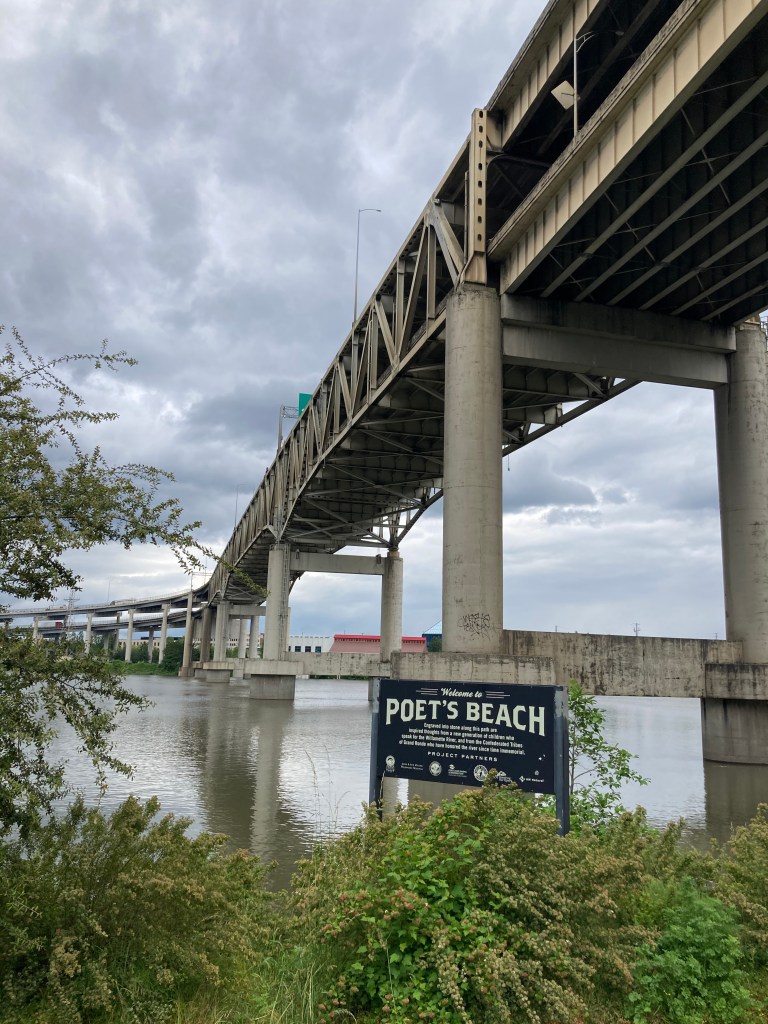
Shockingly, the Marquam Bridge comes in last. You can’t walk over it and it’s really ugly. I gave it a zero in every category – I mean I could have just left it off entirely, but I wanted to bash it a bit. It’s a shrine to the age of the automobile – I say tear it down and don’t replace it. “It’s like having the Berlin Wall dividing East and West, with all the subtle charm of the Daytona 500 smack dab in the middle of our city” – Former Portland Mayor Vera Katz.
Lifetime walks over: 0
Total Score: -2/80
Number 11 – BNSF Railway Bridge 5.1

The BSNF Railway Bridge gets forgotten by a lot of people, but not this guy. Originally built by Great Northern and Northern Pacific subsidiary Seattle, Portland & Spokane Railroad (merged into Burlington Northern in the 1970 merger) as a swing bridge. In 1989, the swing portion was replaced with the lift after the Coast Guard declared it a navigational hazard. Born too late to see the BNSF Railway Bridge 5.1 as a swing bridge I suppose (okay technically it was probably called the Burlington Northern Railway Bridge 5.1 then since the merger with Santa Fe wasn’t until 1995 or so).
Lifetime walks over: 0 (three train rides!)
Total Score: 6/80
Number 10 – Fremont

The Fremont Bridge is at least good looking. Built in the 70’s to link one horrible freeway (I5) to another (I405) it’s hard to say much good about it other than that. TriMet does run a bus service on it (the 24), which I guess is nice too. The design of the bridge was almost entirely as a response to complaints about how ugly the Marquam Bridge is, and yes – it’s a looker.
Lifetime walks over: 0
Total Score: 8/80
Number 9 – Ross Island
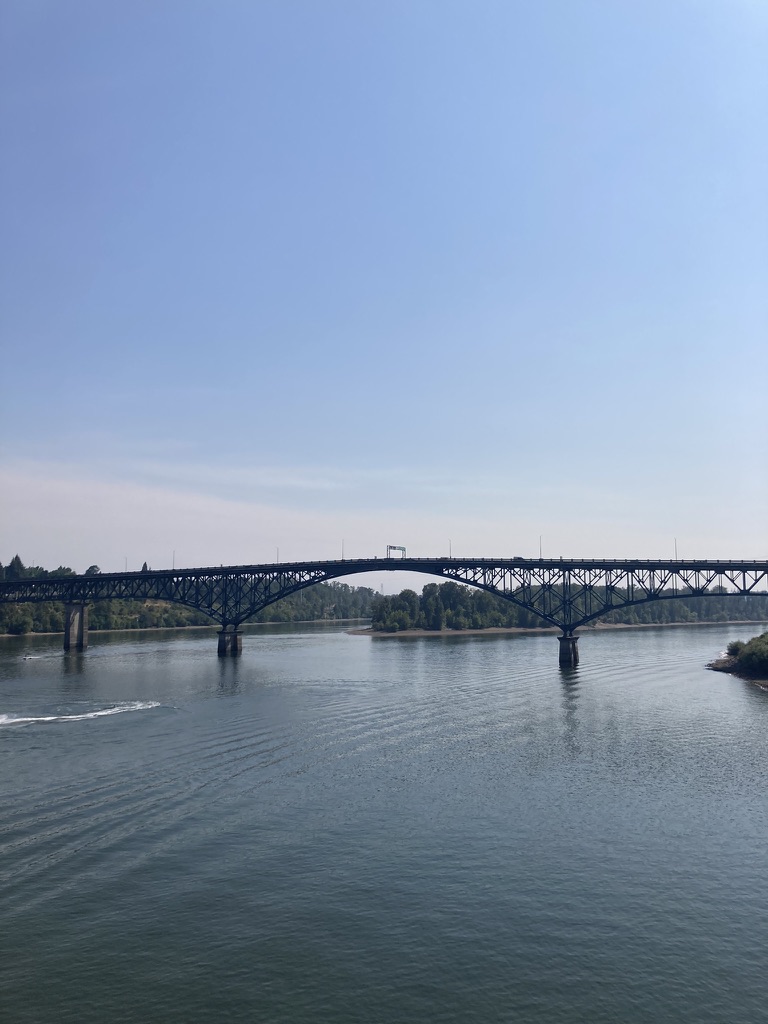
The Ross Island Bridge was built in the late 20s to carry US 26 over the Willamette, and is really not fun to walk over. It only has one sidewalk, which is incredibly difficult to find on the west side of the river, and you then get the pleasure of a three-quarter mile long walk next to highway style traffic. Originally built with sidewalks on both sides, they removed the south side one to give more room to cars in 1958 – because of course they did it was the 50s baby. Also of note, when the city built the US Congresswoman Darlene Hooley Pedestrian Bridge at Gibbs Street (yes, that’s the real name) they used the leftover federal funds to “study the auto access problem to the Ross Island Bridge”. Which I would rate as not an issue, cars seem to have no issue find their way onto it.
Lifetime walks over: 1 (yes, I did walk over it and live to tell the tale)
Total Score: 12/80
Number 8 – Morrison

The third iteration of the Morrison Bridge is the worst yet – proof that history is not just the inexorable march of progress. Built in 1958 – a bad year for pedestrians I guess – it replaced a 1905 structure (which replaced the original Portland bridge from 1880) which carried a ton of different streetcar lines. In the 60s, the folks at ODOT decided to use the new shiny Morrison Bridge to construct a series of horrible looking ramps to facilitate freeway connections with both the newly built I5, and the older Banfield Freeway (then I80N, now I84). Foot traffic is only allowed on the south side, and only on a path that connects from Water Ave (there are signs saying no motorized traffic beyond this point at the start/end of the viaducts on the east side at least) to Naito/2nd.
Lifetime walks over: A dozen or so
Total Score 27.5/80
Number 7 – St. Johns

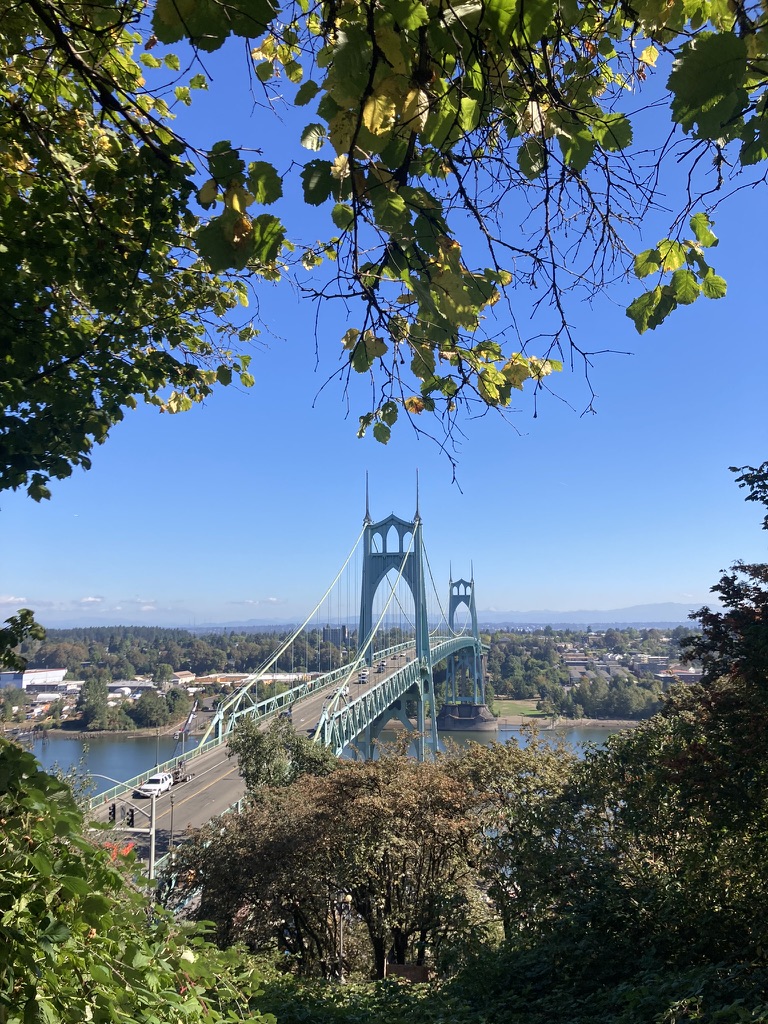
My favorite bridge to look at in the city is a real himbo. Built in the 20s to carry US 30 bypass, they really knocked it out of the park with the design of the structure – but not really the roadway. Despite the audacious design, it somehow came in about $1 million under budget (it had a $4.25 million budget – so 23%… the 20s were crazy man) and a suspension bridge was chosen in the first place because it was less expensive. But it is first and foremost a car bridge, the sidewalks are narrow and scary – with just a steep curb between you and the fast (people always are speeding over the bridge) traffic. When you get to the other side, the sidewalks are somehow even worse, but there are connections to Forest Park – so that’s good.
Lifetime walks over: 2
Total Score: 28/80
Number 6 – Sellwood

Portland’s newest bridge (replaced a 1925 span that was rated like 2/100 by the Army Corps of Engineers or something) is also its most mediocre. I’m not really crazy about how it looks (it’s okay), it doesn’t really connect to much on the west side other than a state highway. Probably it’s biggest strength is being a connection between the Greenway Trail on the west and the Springwater Trail on the east – I’ve biked over it a ton because of this. And you know what, there’s nothing wrong with being adequate.
Lifetime walks over: 3 (I think)
Total Score: 42.5
Number 5 – Broadway
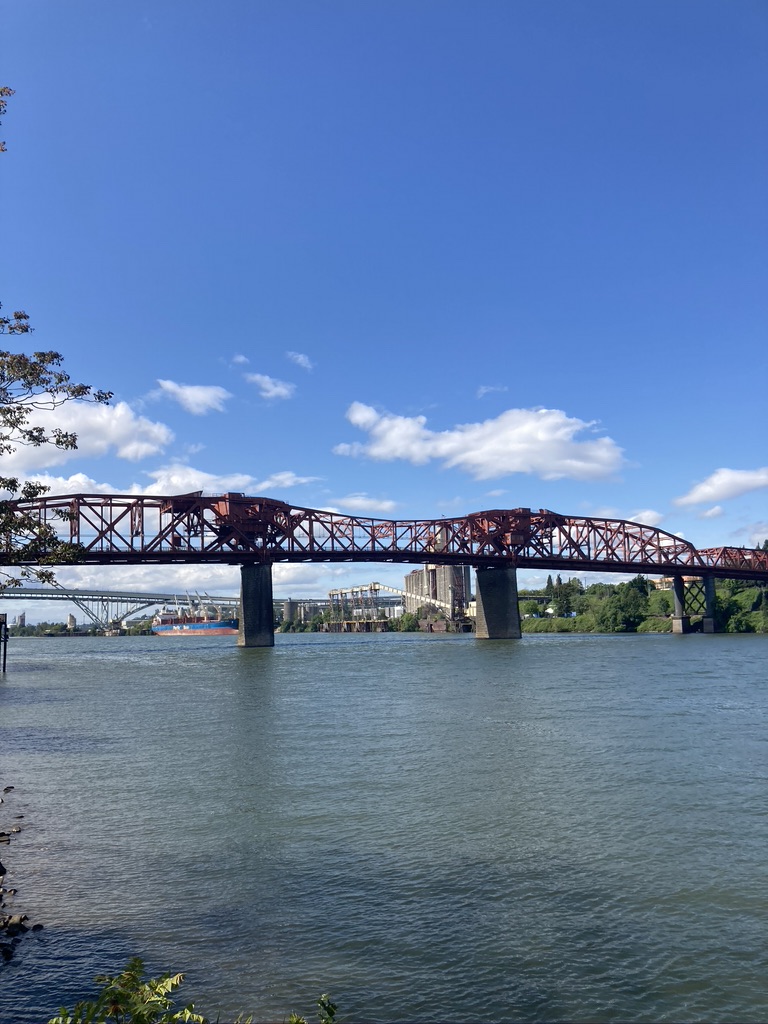


I secretly hoped the Broadway would do a little better. I think it’s a massively underrated bridge – I love how it looks and it’s the first one on this ranking that I actually enjoy walking over. It suffers from being too long, and massively underutilized (especially by TriMet – it only carries one bus! Less than the Ross Island!). Despite getting a lot of car traffic, it doesn’t feel dangerous probably because the sidewalks are physically separated from the roadway by both a barrier and the bridge structure itself. I don’t love the east side of the bridge these days – too many parking lots built in the urban renewal days, but the west side is nice. It’s got both Union Station and the Pearl District – and while I’m maybe not crazy about the Pearl, it does at least feel walkable.
Lifetime walks over: 25?
Total Score: 43.5
Number 4 – Burnside
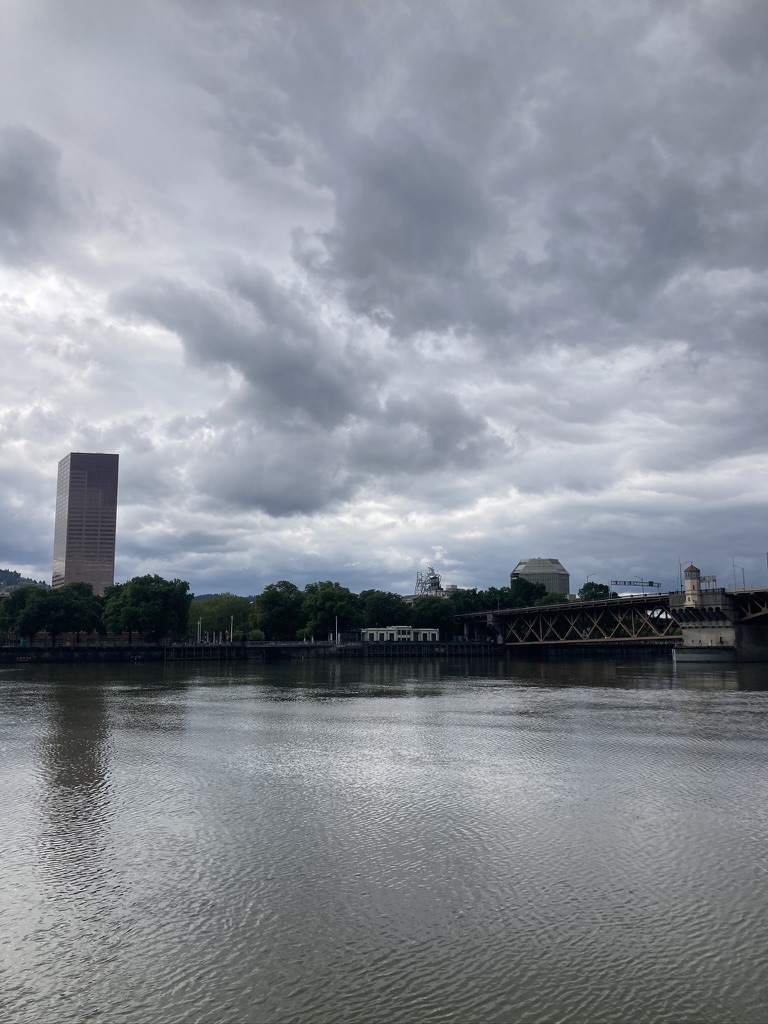
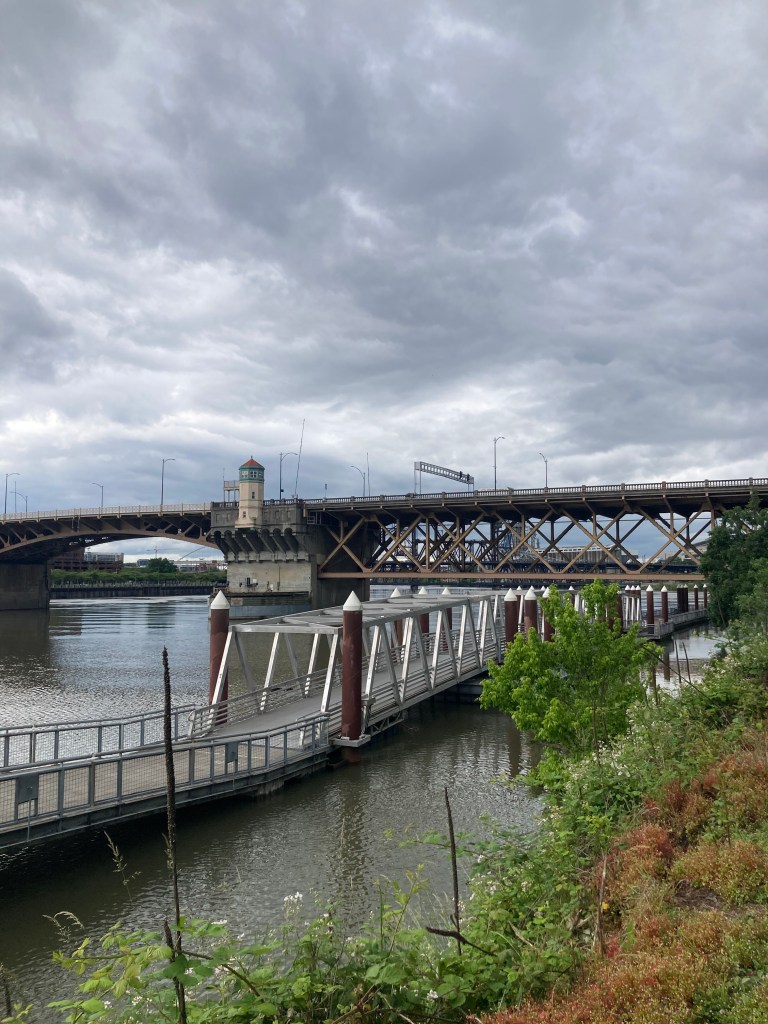
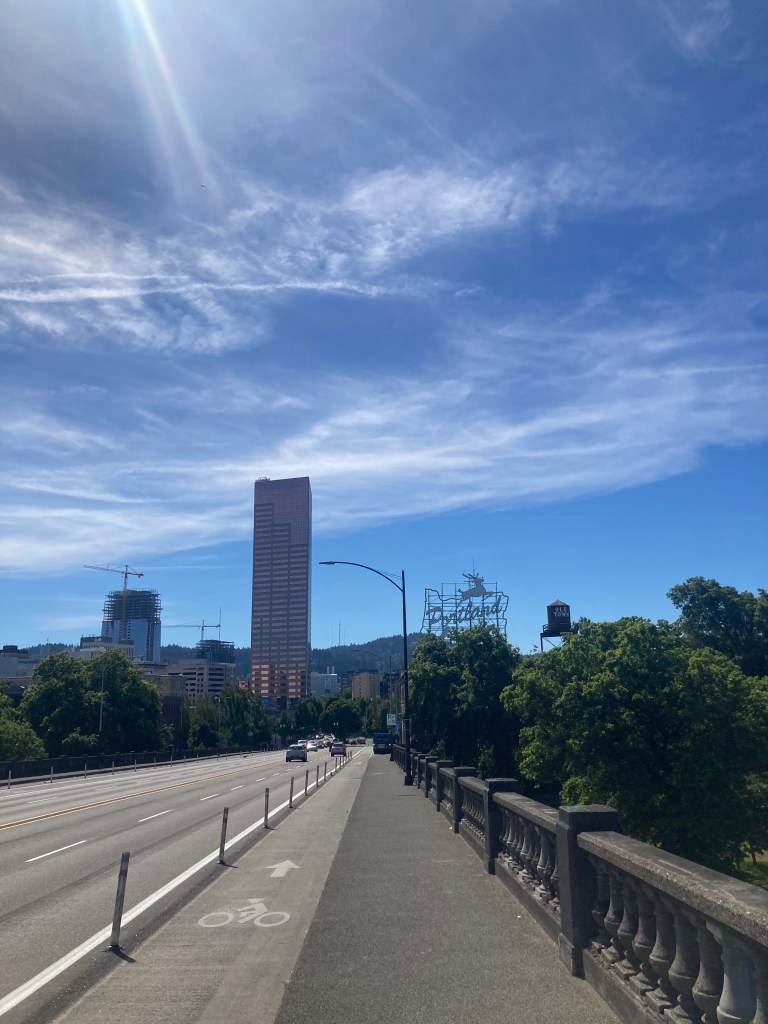
I’ll admit to having a soft spot for the Burnside Bridge. It’s got some subtly beauty, a few good bus lines, and a great view of the classic Portland, Oregon sign. It’s also somewhat nicer to walk over than the Broadway – mostly because the bike lanes offer a bit of buffer from the traffic while walking (uh not great for biking though unfortunately). And it connects two really interesting parts of town with a relatively short span, and no frills. I’ll say it’s not always fun to walk through Old Town on the west side approach, but the east side is very nice (this is a coming from a big Central Eastside fan!).
Lifetime walks over: 25 or so
Total Score: 47
Number 3 – Tilikum Crossing, Bridge of the People
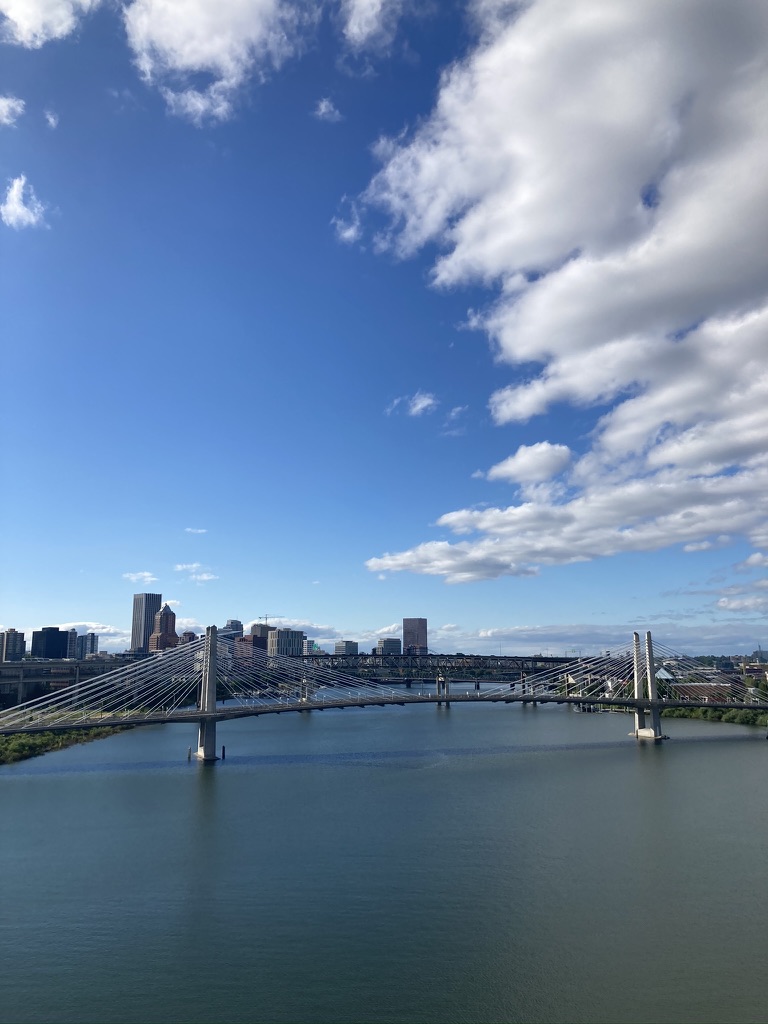
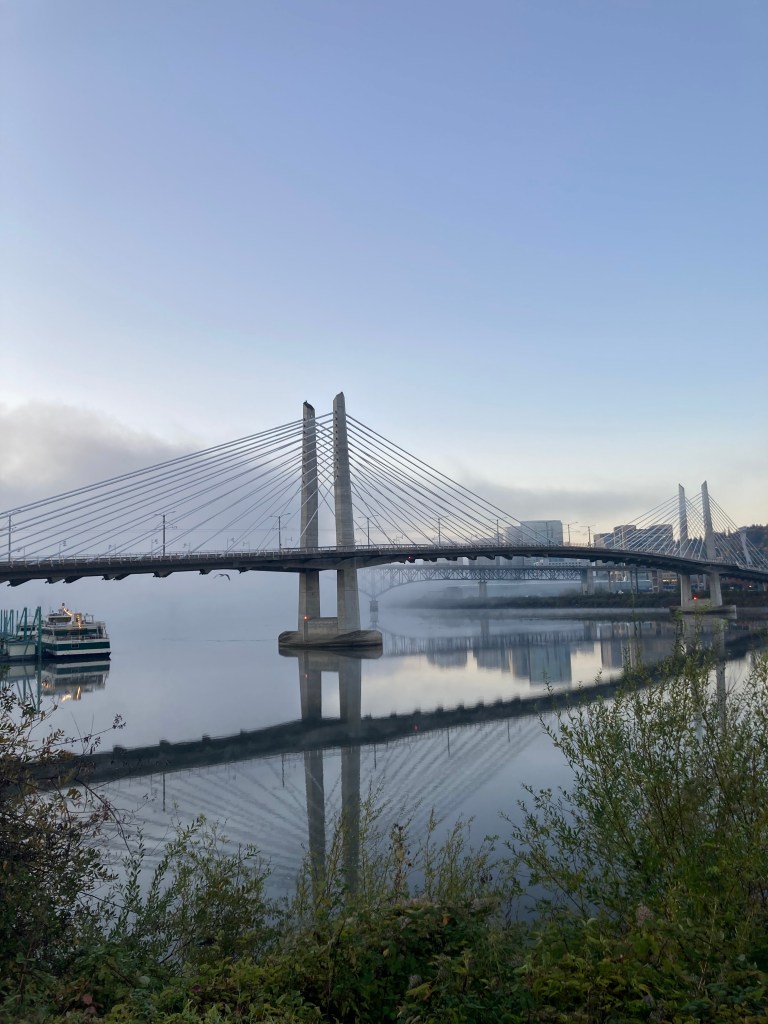

The Tilikum Crossing, Bridge of the People is the most recently added bridge (the Sellwood Bridge is newer, but a replacement) to the Portland Bridgetown cannon. Dubbed by many as some sign of the future by not allowing cars, I have some complaints about this. For one, the bridge was only deemed necessary after “traffic concerns” were raised about running the North-South Light Rail project over the Hawthorne bridge (despite, you know, the Hawthorne bridge being built and designed for light rail). In this sense, it functions somewhat as “car infrastructure” – in the same way a pedestrian bridge over a highway might. Secondly, the alignment (NE to SW) is annoying as a pedestrian – since you end up further from downtown than you’d like. The goofy alignment was chosen in the 2008 locally preferred alternative for the Portland-Milwaukie Light Rail (reduced in scope from the earlier North-South Light Rail project, and the future TriMet MAX Orange Line) in order to better serve the South Waterfront (an Urban Renewal area). I touched on this in my Milwaukie Road post – but it still really bothers me.
Despite this, it is a beautiful bridge! And there are so many huge positives about not having cars, I’m almost willing to look past the goofy choices that lead to it being built as it is. It carries the MAX Orange Line, the Portland Streetcar Loop, and 3 buses (including the new FX route – which I think is a terrible operational choice, since it requires the bus to cross the UPRR tracks at grade at 8th ave, instead of going over the tracks on the Hawthorne Bridge viaduct like it used to).
Lifetime walks over: a dozen or so
Total Score: 60/80
Number 2 – Hawthorne
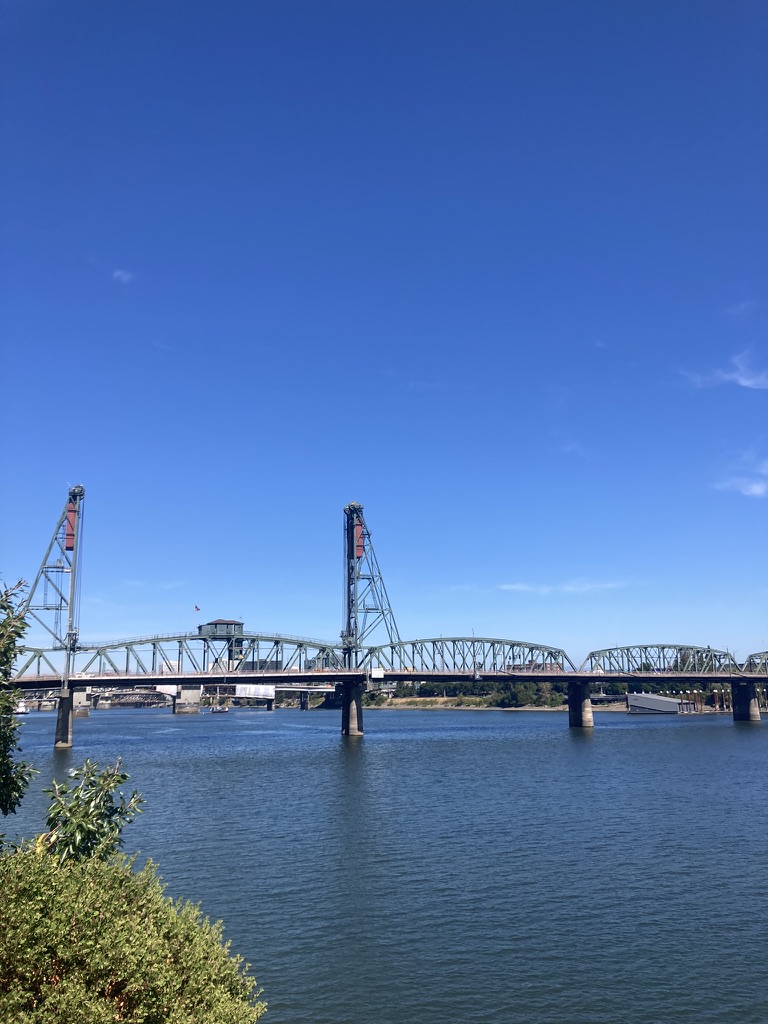
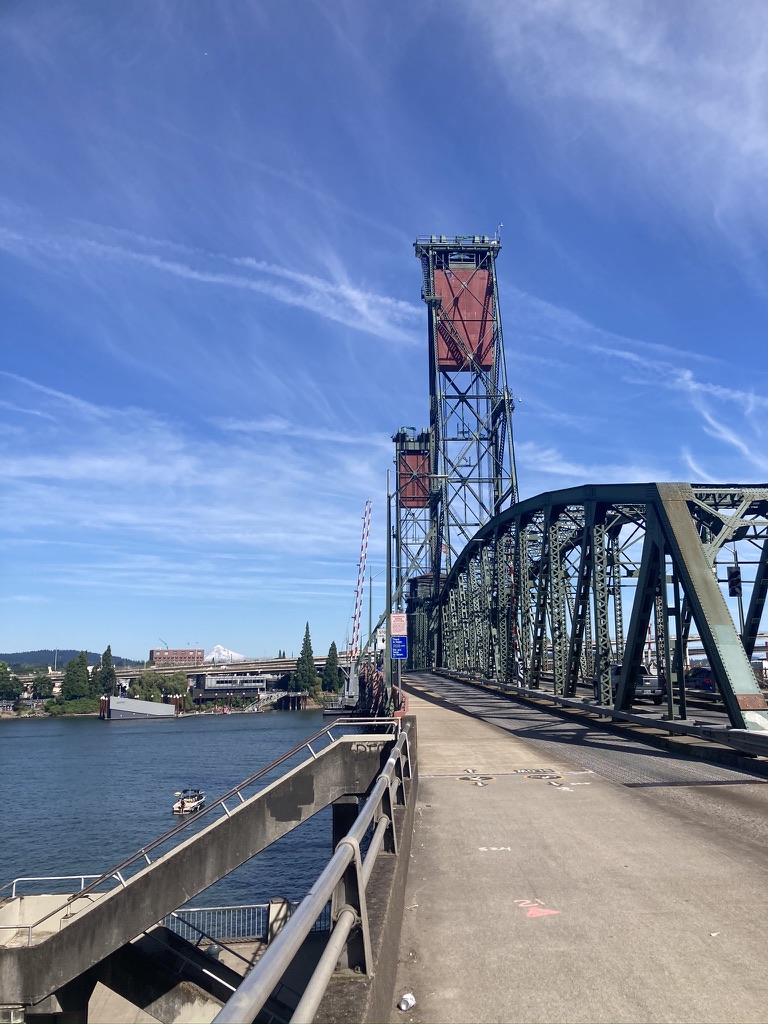
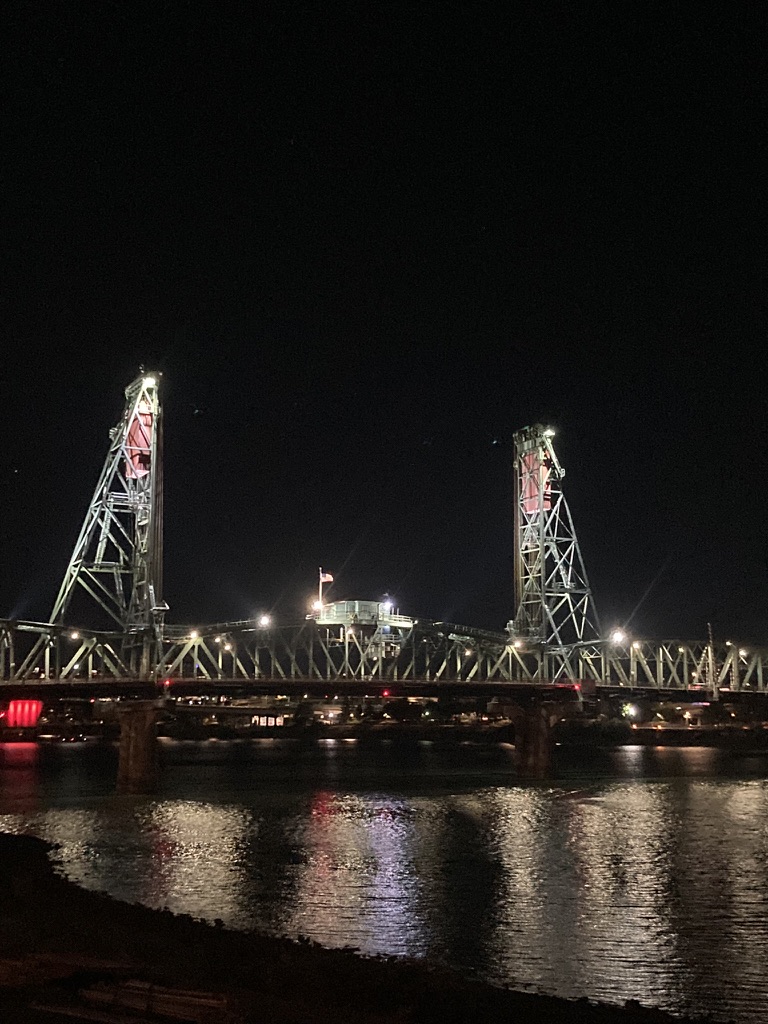
The oldest bridge in the city, the Hawthorne is my personal favorite (despite what my ranking will tell you). It’s got wide sidewalks for walking and biking on both sides, great connections to the Waterfront Park and the Eastbank Esplanade, and it’s really a good looking bridge to boot. It has the best location (in this guys opinion) of any bridge in the city, directly serving the heart of downtown – and the always popular Hawthorne Avenue on the east side. Originally built to serve Portland’s extensive late 19th century streetcar network, it now carries just a few bus routes, having fully capitulated to car culture in the late 1950’s when the viaducts were constructed (over the railroad tracks on the east side, and to serve Harbor Drive/Front on the west).
Lifetime walks over: 25 or so
Total Score: 60.5/80
Number 1 – Steel
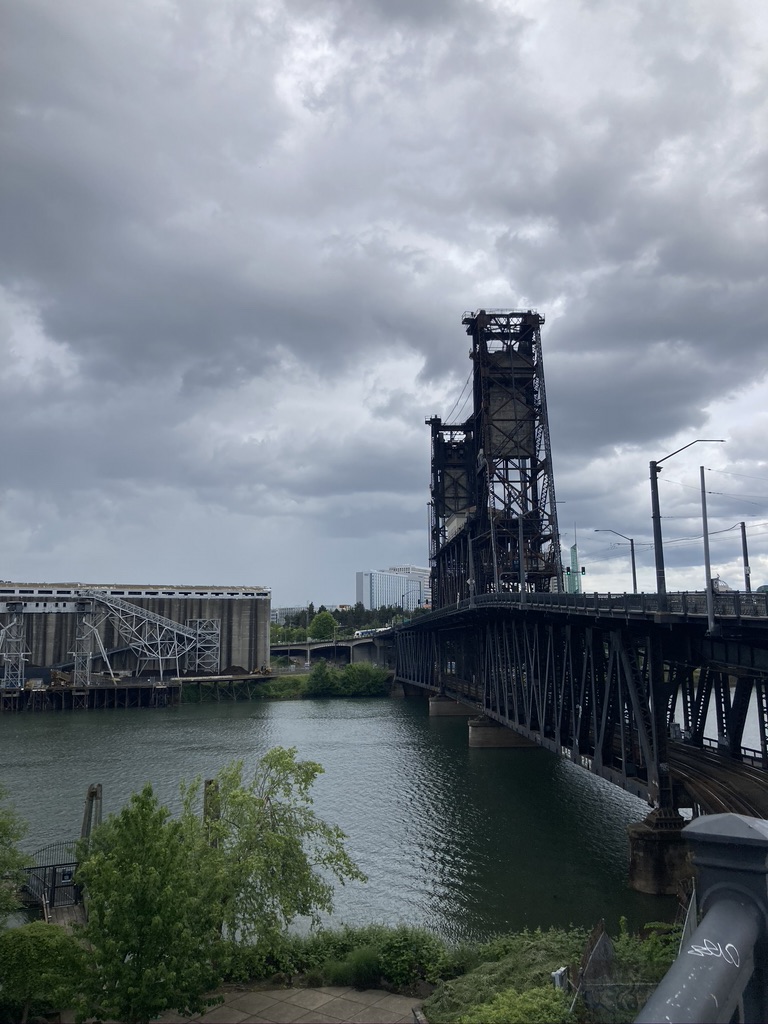
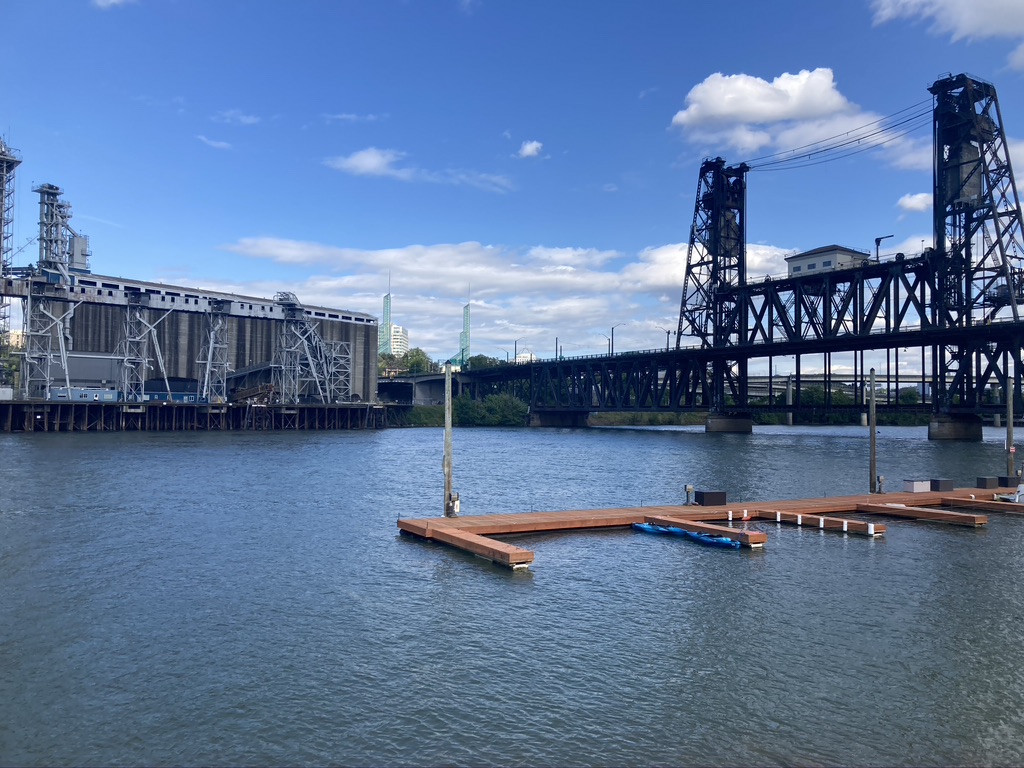

It’s only fitting that the hardest working bridge in Portland takes the top spot. With easily the coolest design of a bridge (double telescoping lift? Like c’mon that’s sweet) in the city, it’s – at minimum – incredibly practical. Built by Union Pacific in 1912 to replace a double-decker swing bridge from 1888, it has carried freight trains, passenger trains, pedestrians, bicycles, cars, trucks, streetcars, and the MAX light rail. The addition of the lower deck crossing in 2005 is key to its performance here, giving the shortest possible crossing of the river in the city (as well as one fully separated from car traffic). It carries easily the most transit vehicles of any bridge in the city, with five bus lines and four MAX lines using it in service (the Orange line uses it to get trains into service from the maintenance yards as well). Is it good that TriMet runs every single MAX line over one 100+ year old bridge that it doesn’t own (the bridge is owned by Union Pacific, leased to ODOT, and subleased to TriMet)? Probably not, since capacity on the Steel Bridge is a severe limiting factor in MAX frequencies system wide – but hey, the only capacity projects we build in Oregon are for highways so there are no plans to change this in the works.
Lifetime walks over: 30+ lower deck, a dozen upper deck.
Total Score: 63.5/80
Overall Rankings
| Bridge | Total | Walk On | Walk West | Walk East | Transit | Bike On | Bike To | Beauty | Length |
| Steel | 63.5 | 8 | 8 | 6 | 10 | 7 | 8 | 6.5 | 10 |
| Hawthorne | 60.5 | 9 | 9 | 6.5 | 3 | 8 | 10 | 9 | 6 |
| Tilikum | 60 | 9 | 7 | 7 | 6 | 9 | 7 | 9 | 6 |
| Burnside | 47 | 8 | 6 | 8 | 3 | 6 | 6 | 5 | 5 |
| Broadway | 43.5 | 7 | 7.5 | 5 | 2 | 5 | 5 | 7 | 5 |
| Sellwood | 42.5 | 7.5 | 1 | 8 | 0 | 7 | 8 | 5 | 6 |
| St. Johns | 28 | 2 | 3 | 6 | 0 | 2 | 4 | 10 | 1 |
| Morrison | 27.5 | 1 | 8 | 5 | 2 | 3 | 4.5 | -1 | 5 |
| Ross Island | 12 | 1 | 1 | 2 | 1 | 0 | 0 | 7 | 0 |
| Fremont | 8 | 0 | 0 | 0 | 1 | 0 | 0 | 7 | 0 |
| BNSF Rail | 6 | 0 | 0 | 0 | 0 | 0 | 0 | 6 | 0 |
| Marquam | -2 | 0 | 0 | 0 | 0 | 0 | 0 | -2 | 0 |
 City Hikes
Leave a comment