No, not that one

It’s been about 6 weeks since the big move for me, so I thought it would be a good time to summarize how it feels to walk in, around and to the Brooklyn neighborhood in Portland. Maybe I’ll make this into a short series on some of my favorite Portland neighborhoods too.

The Good Stuff
For the most part, I really like the neighborhood. It’s walkable within, it’s got great local shops, and the transit service is mostly good (for now – don’t get me started about TriMet’s proposed changes to the 70). Milwaukie is the main drag through town, and while the intersection with Powell is a thorn in my side, there are really some excellent places to go. I’m a big fan of both the Aladdin Theater and Edelweiss Deli in particular.

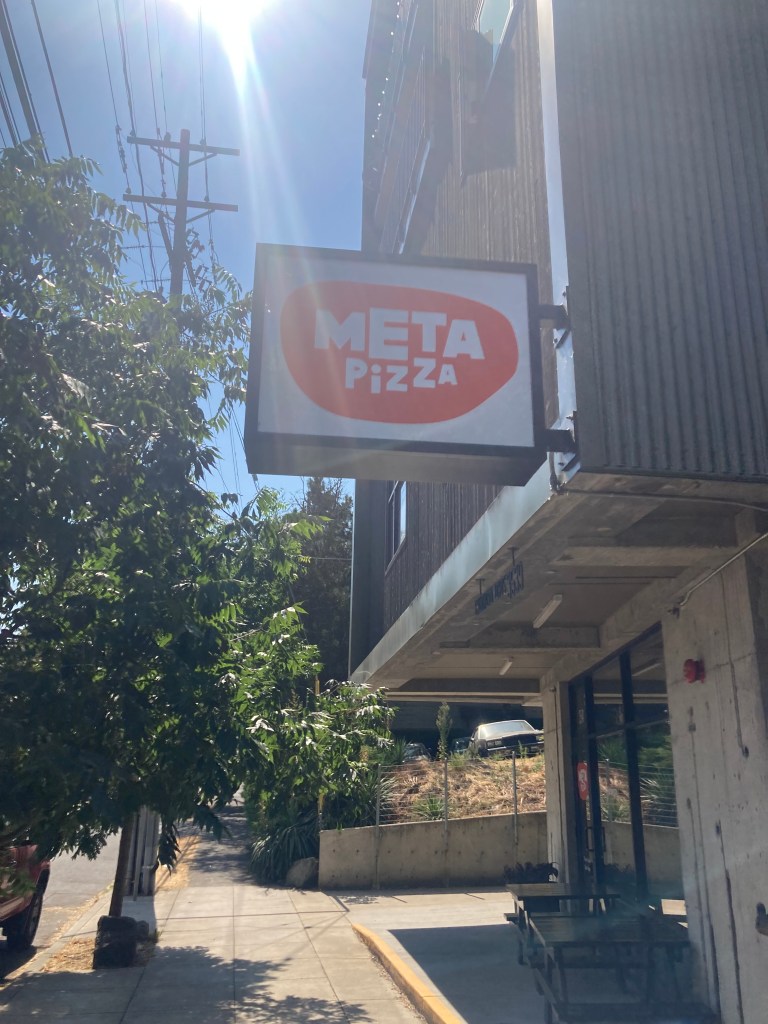
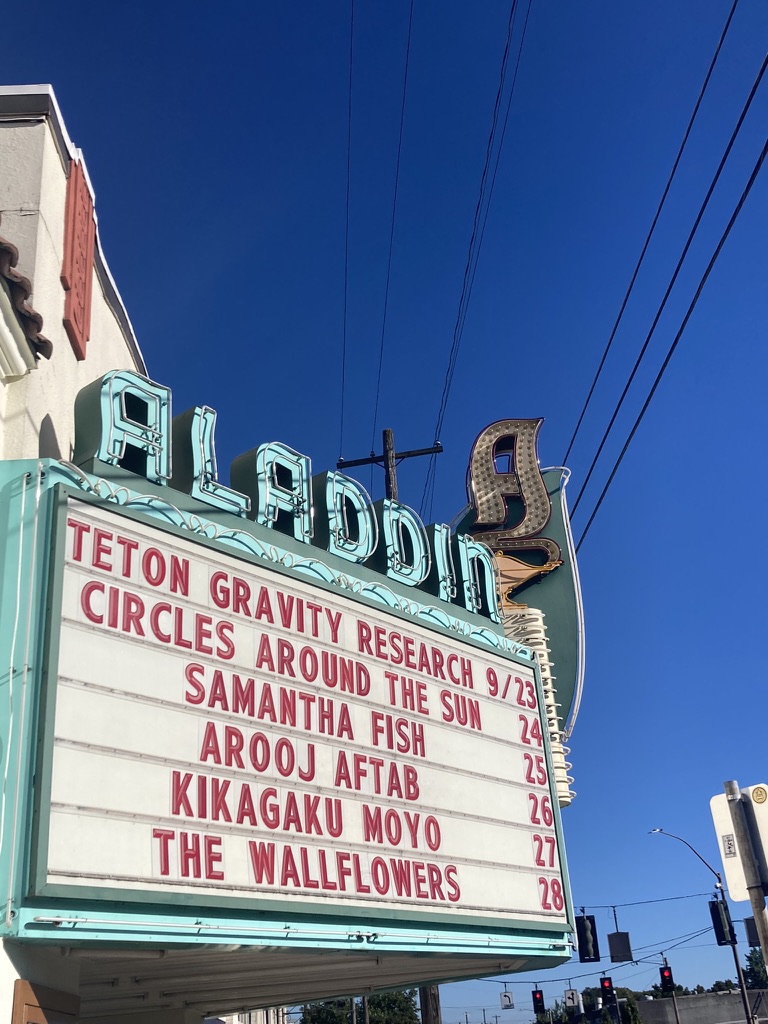
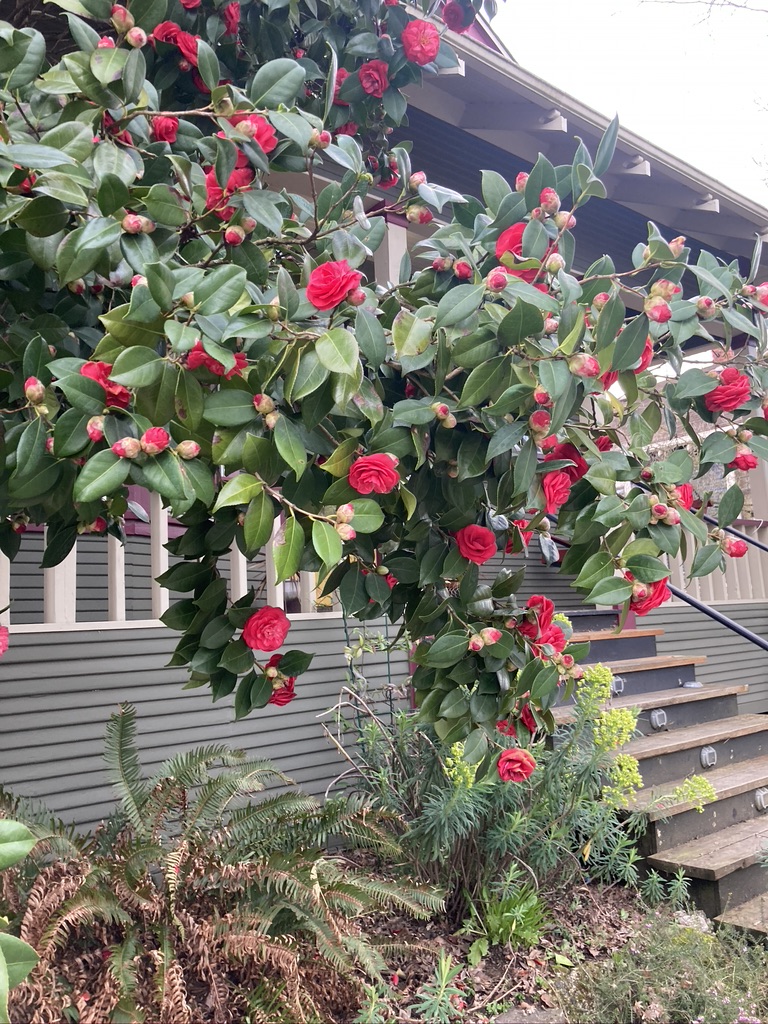
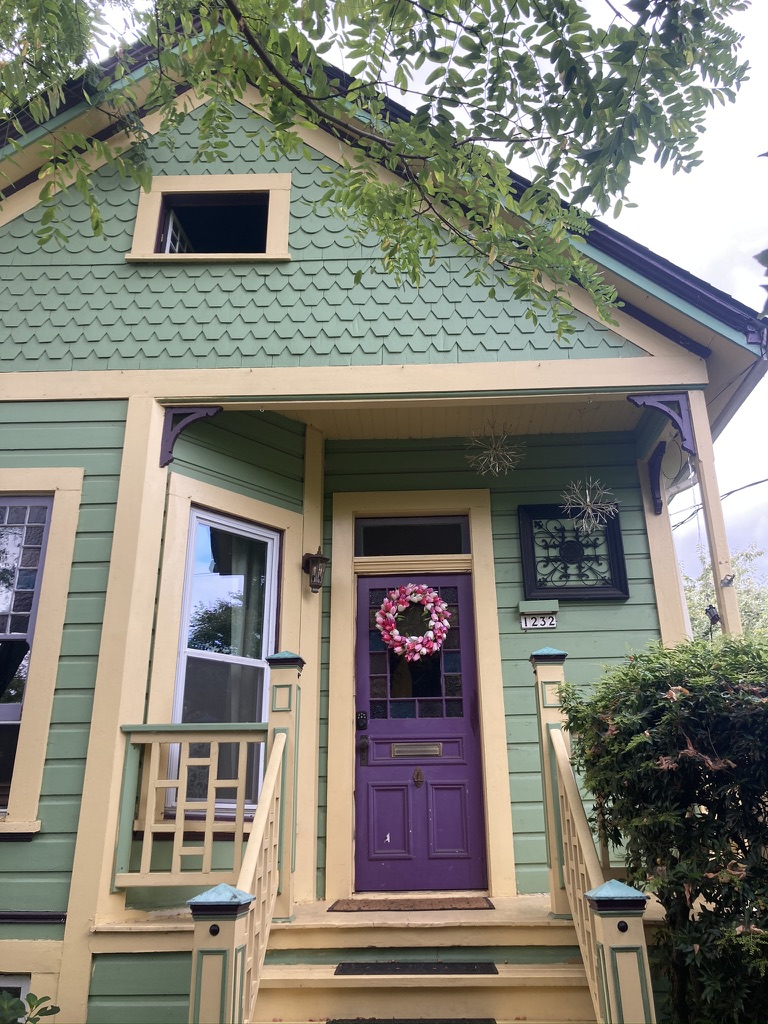
Beyond the shops and theater, Brooklyn has tons of quaint neighborhoods sights and such. Old tree lined streets, a spattering of parks, and wonderful charming homes make Brooklyn so much more than just another place to live for me. And in classic Portland style, there are a decent number of little apartment complexes (like the one I live in) sprinkled on the quiet residential streets – and this is a key point for me. In a lot of cities (and other neighborhoods), denser apartment buildings are relegated to the busiest, loudest parts of the area. And while this is true in Brooklyn to some extent, it’s not overwhelming. Only 13% of apartment buildings by floor are within 30 meters of a major road, while 9% of single family homes are (here is my code for looking into this stuff) – a smaller differential than just about every other neighborhood in the city.

Public transit wise, Brooklyn is a mixed bag – but largely pretty good. We’ve got the number 9, 17, 19, and 70 (plus the 2 and 10 on Division are within a short walk) as well as the MAX Orange line. Of the buses, the 9 is probably the best one – serving Powell and Downtown. The 70 is great too, serving 11th/12th and staying on the Eastside, but suffers from just a terrible schedule. The MAX Orange line is great as well, albeit only if you want to go downtown or to Milwaukie. As a result of wacky priorities, the MAX system as a whole is just so painfully slow through downtown it’s almost faster to walk. If TriMet ever grade-separates the MAX through downtown, I will be one happy camper.
Overall, the transit is very downtown focused – with connections between other Eastside neighborhoods usually requiring a trip across the river. But this is a regional problem – TriMet has an unusually high percentage of bus (and rail) routes converging in downtown, owing to a long history of prioritizing downtown service (even in the pre-TriMet days).
The Bad Stuff
In my estimation, Brooklyn is the most physically separated neighborhood in Portland from its neighbors for pedestrians. Powell is horrible to cross as a pedestrian, and really the only good option is the 17th Ave over-crossing (with a lukewarm shoutout to the 9th Ave pedestrian bridge). McLoughlin to the west is even worse – completely cutting the neighborhood off from the Willamette, despite Ross Island being ostensibly part of the neighborhood. To the south, McLoughlin again is a hard boundary with Sellwood, with only a sketchy bridge carrying Milwaukie and a truly miserable signalized intersection at 17th. And to the east, the Union Pacific rail yard and mainline cuts the neighborhood in two, and further isolates the neighborhood. Quick aside – if you are wondering “wait a second, I thought the Union Pacific rail yard in Portland was the Albina yard?”, the Brooklyn yard was formerly operated by Southern Pacific before the merger; so UP in fact has two yards in Portland, roughly four miles apart from each other. Oh actually UP has three(!) yards in Portland, with Barnes yard near the port in North Portland as well. Very cool!
And sure, you can cross Powell on foot – there are lights at Milwaukie, 21st and 26th . But it fucking sucks, and people die at those crossings (including a cyclist earlier this week). Standing on the side of a state highway waiting minutes to cross, directly adjacent to speeding cars and trucks is really not an enjoyable experience. Something to keep in mind – if you press the button to cross a 30 MPH road, and then have to wait 1 minute, that is a traffic engineer prioritizing a car about half a mile away from the intersection over you; at Powell and Milwaukie, that is someone halfway over the Ross Island Bridge.
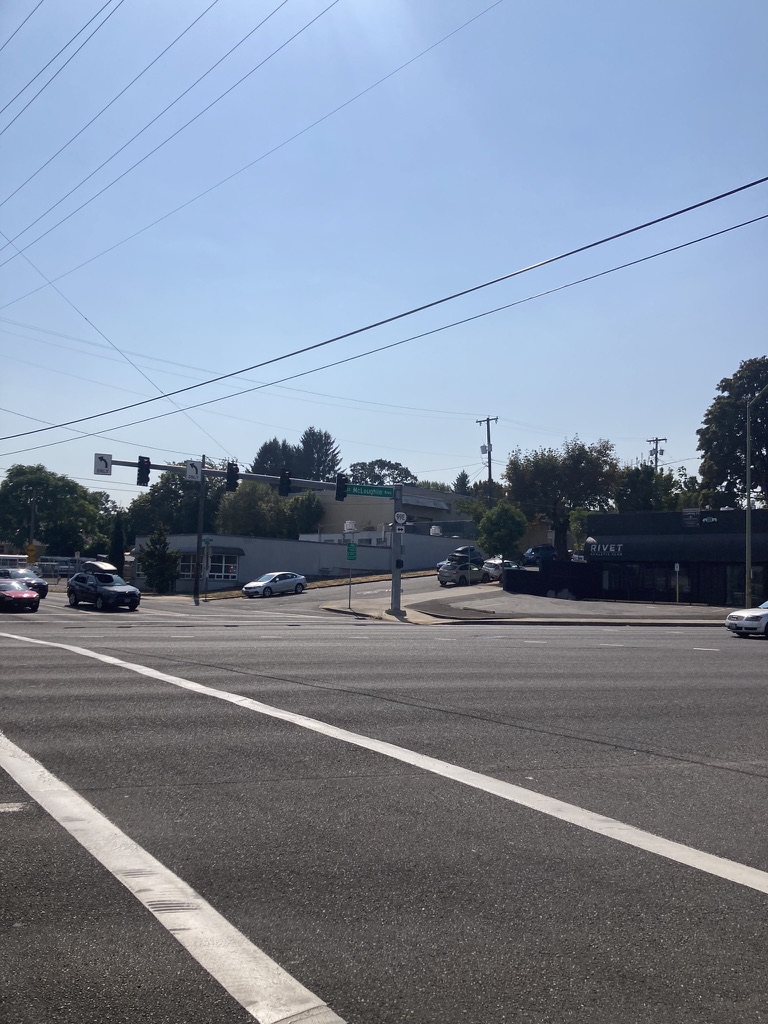
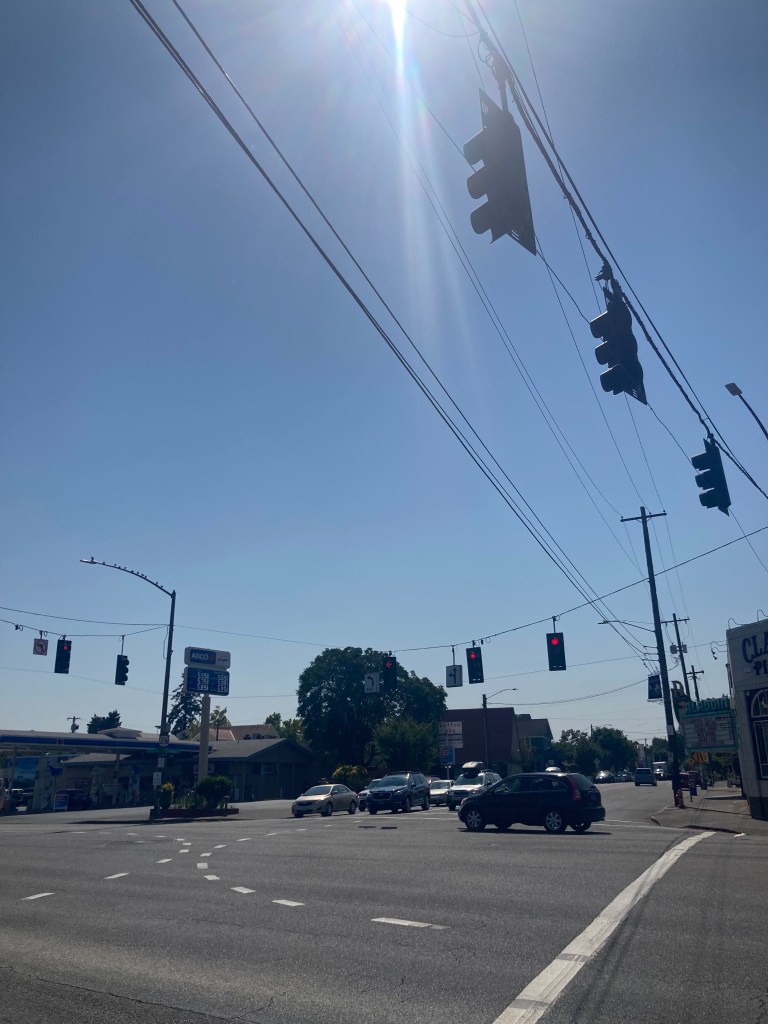
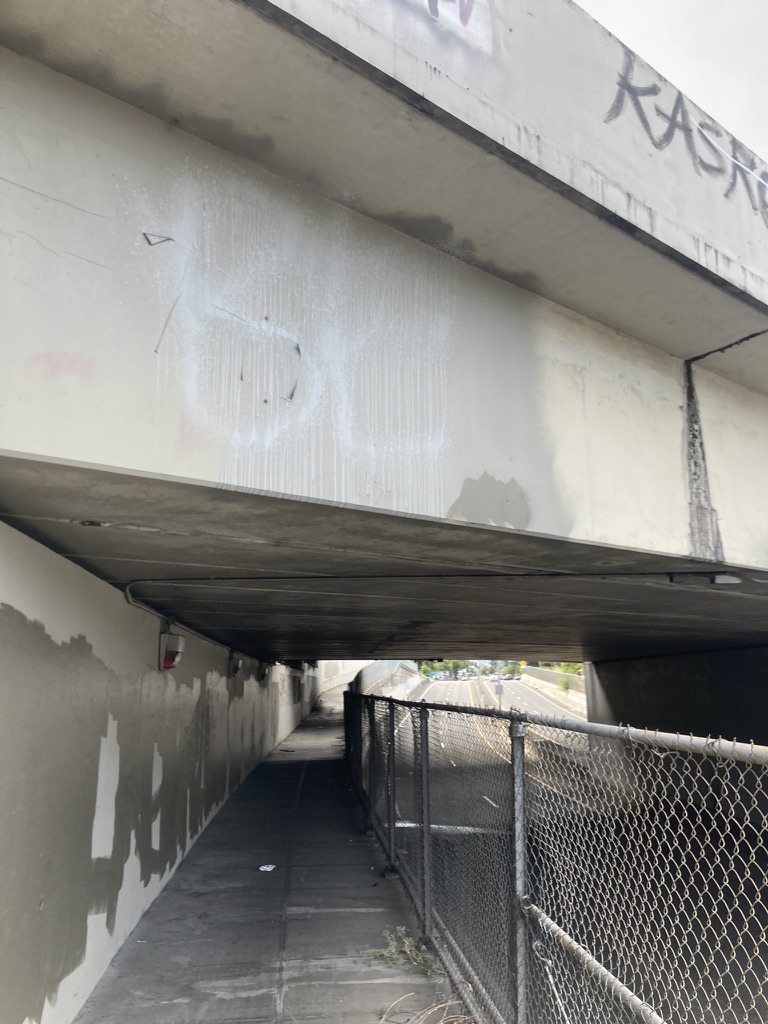
For crossing the railroad tracks, there are three options. An underpass at Powell, an overpass at Rhine/Lafayette, and Holgate. They all suck for one reason or another, although the Rhine/Lafayette over-crossing is easily the best of the bunch. The Powell underpass is decidedly sketchy, and the Holgate bridge is probably one of the most pedestrian-hostile places in the city. So really, the over-crossing is the only real option, which is nice and all, but sort of obnoxious to walk up the steps for.

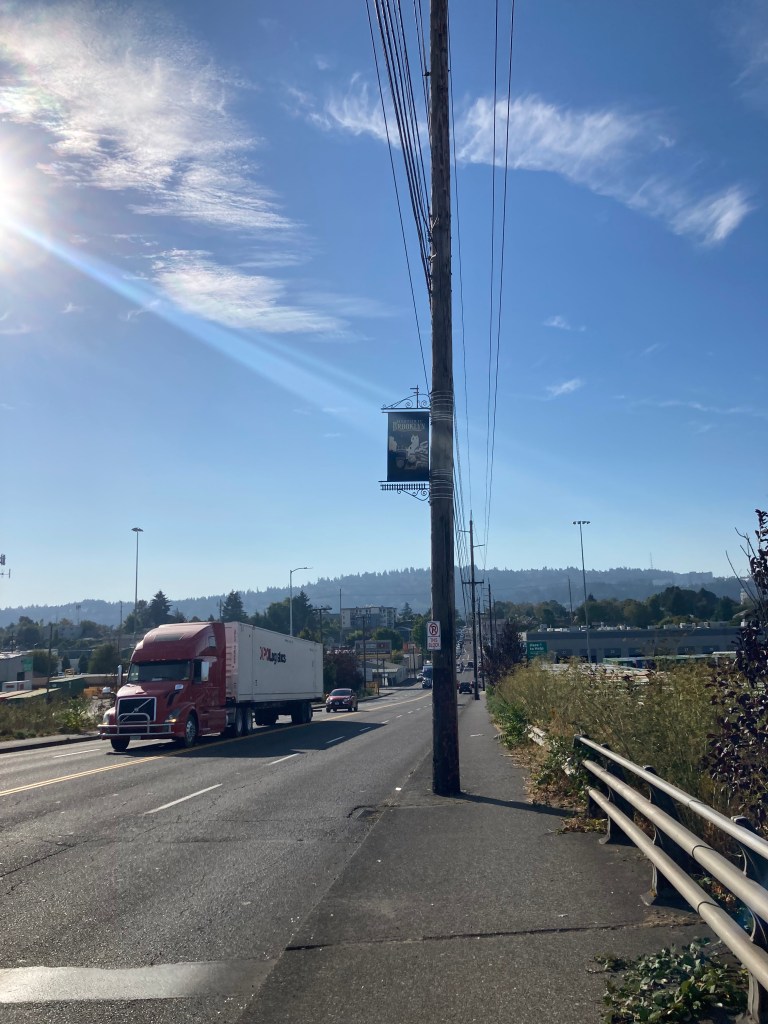
And so in total, there are only three real entrances/exits from the neighborhood that I don’t mind using. The 17th Ave crossing over Powell (redone during the construction of the MAX Orange Line), the Milwaukie Ave crossing over McLoughlin (still not great, especially with the on/off ramps), and the Rhine-Lafayette crossing over the UP tracks. Then, there are two that are bad, but I can live with them; the Powell/21st light (ODOT removed the west crosswalk to “improve traffic flow about three years ago though”) and the 9th ave pedestrian bridge over Powell (which has those annoying spiral ramps that make it twice as long as just crossing the street). The rest of them are either deadly (26th and Powell), sketchy (the Ross Island Bridge sidewalk), or so audaciously car-centric that it hurts me just to observe them (Powell/Milwaukie, McLoughlin/17th, Holgate). No other neighborhood in Portland has so few options for leaving or arriving, I think it’s a real shame.
Ideas for Improvements
The issues highlighted are, at their core, issues of automobile prioritization (and a greedy railroad company). Lack of safety around Powell and McLoughlin are due mostly to prioritizing through traffic of cars and trucks over the people who live and mingle in the area. Oregon as a state has a long history of prioritizing the automobile, starting as early as 1917 with the introduction of the state highway system and continuing with the 1947 Throughway Act, as well as the 1958 Interstate Highway Act. It’s important to keep in mind that the transition between the original purpose of road (to serve the areas abutting) into a thoroughfare prioritizing fast speeds and smooth traffic flow was both revolutionary and incredibly destructive.
Common discourse around traffic, roads, and highways identifies things like inefficient signalized intersections, pesky pedestrian accommodations, and lack of adequate lane space as causes of congestion – the solution of grade separation and giving more room to automobiles (in the form of more lanes, more parking, etc.) is seen as proper and natural. But this has no place in a city. There are too many people who live their lives near these areas and suffer acute consequences. Every intersection with Powell or McLoughlin in Brooklyn feels dangerous for a reason – it is. ODOT (and to a much lesser, but still non-zero, extent PBOT) would rather stand by and let people die on the roads, or suffer extreme noise pollution, or be physically severed from opportunities in the city, all in the name of “reducing congestion” or “improving commute reliability”.
I’ll spare the long-winded lecture on how congestion relief is rooted in oh-so-typical anti-city rhetoric, or how state DOTs knowingly make things worse by insisting on roadway widening projects to remove “bottlenecks” in favor of a low hanging fruit that could meaningfully improve conditions for pedestrians.
Powell/Milwaukie Intersection
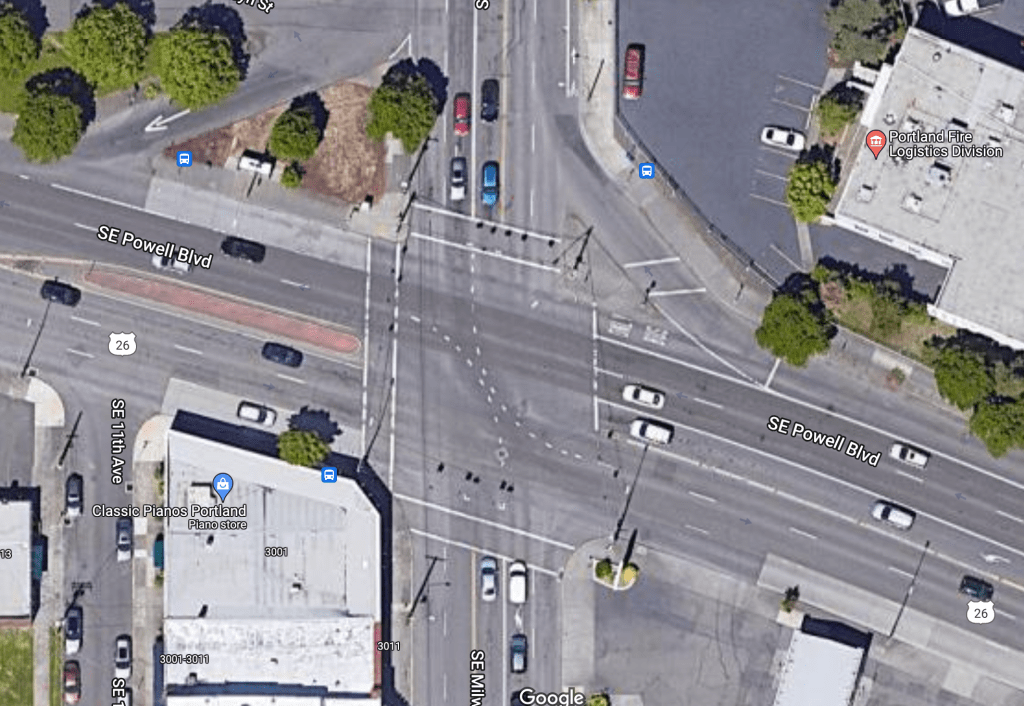
Currently at Powell/Milwaukie, there are five lanes to cross at each leg, with wider lanes on Powell. In addition, there are high-speed slip lanes between Milwaukie and Powell on the north side. Slip lanes really (and I mean really) suck to cross as a pedestrian – since drivers really do not expect you to be there, and often they have no signage or incentive to yield. Oh and there is a closed crosswalk on the east side of the intersection, no doubt to “improve vehicle flow” and “reduce conflicts”.
Removing the slip lanes, and converting the outermost lane on Powell to dedicated bus-only would be a good place to start here. In addition, re-adding the crosswalk on the east leg of the intersection is sorely needed (especially for a transit rider hoping to transfer from the 9 eastbound to the 70 northbound). I would also like to see the south end at Milwaukie significantly narrowed – probably to one bus/bike lane and one car lane southbound, and removing one of the northbound lanes altogether. And simply extending curbs to be flush with the road (eliminating curves that allow for wider turns from cars) would do a lot to make the intersection feel safer – reducing the speed of turning cars really makes a difference.
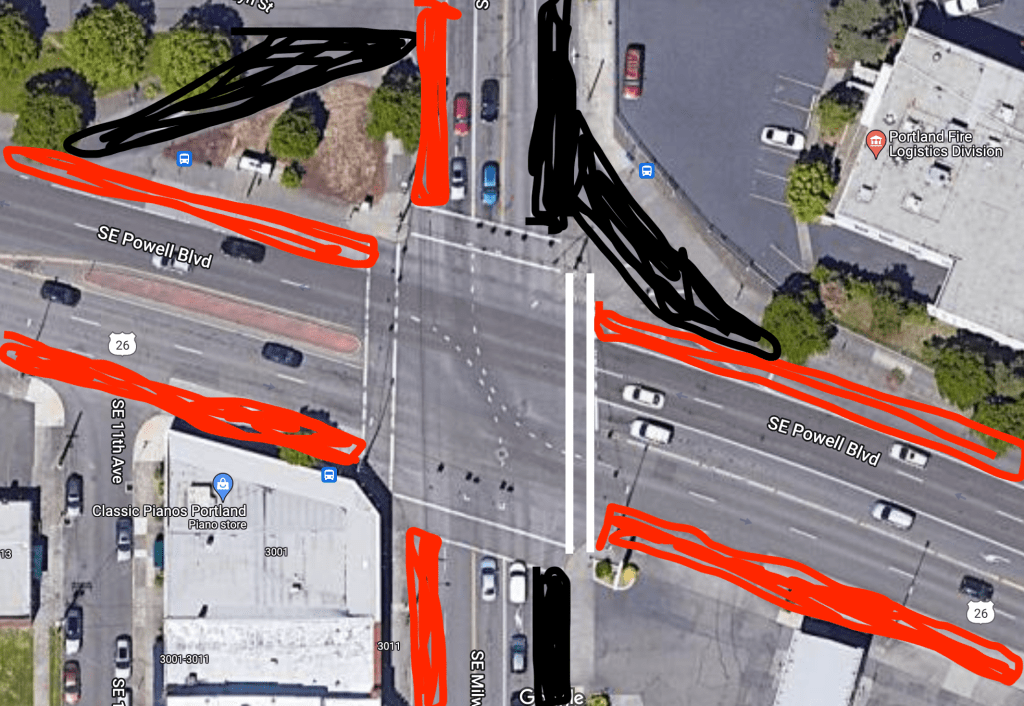
I’m not really sure how I even feel about this plan – I’d say it’s not radical enough. If it were up to me, I’d remove the intersection completely and restore the original Brooklyn Town Square that was here before being destroyed by the construction of the Ross Island Bridge.
Overall rating
I’m pretty biased as a resident, but I’m going to give Brooklyn a 6.5 out of 10 (0.5/3 for connectivity, 3/3 for vibes, 2/3 for transit access, 1/1 for personal feelings towards).
 City Hikes
Leave a comment