During our adventures out east, we ended up in New York City. The Big Apple, as they say. It’s been a week or so since we left, so I figured now was a good a time as any to reflect on my walks, thoughts, and other ramblings about the city. Consider this the first ever blog post about New York City.
Beginnings
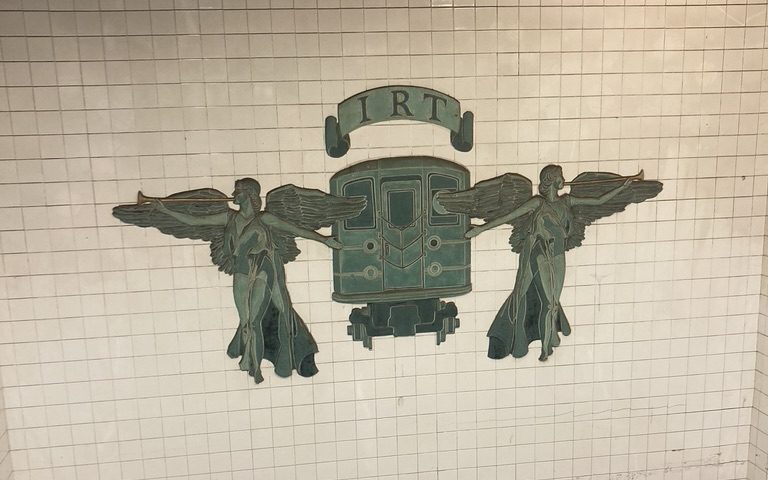
We pulled into Penn Station in the morning, on a slightly late Keystone Service train from Philadelphia. After a long walk down an under construction corridor, we hopped on a 2 train to Brooklyn and the adventure really began in earnest. I really want to stress how good of transit service the New York Subway is – especially by US standards. The Subway is really what makes New York special, and it is just the obviously best way to get around the city. A welcome change from SEPTA!
A Pilgrimage of Sorts
After a brief stop at the local bagel shop, I decided to go on a walk towards the Lower West Side of Manhattan to pay a visit to Jane Jacobs’ house in Greenwich Village. Jane Jacobs, for the uninitiated, is the author of the 1961 classic The Death and Life of Great American Cities which famed city-hater Robert Moses described as “libelous”. One of the primary ideas Jacobs’ writes about in the book is how cities are human habitat, organized in extremely complicated – but ultimately human – ways. Keeping this in mind, New York becomes a much more interesting place.
When I’ve visited New York before, I’ve been overwhelmed with the sheer magnitude of the city. It seemed impossible to know how to get around, or how to make sense of it all. But on this trip, I didn’t really worry about any of that. I focused on the minutia, and just allowed myself to be lost in the vastness of the city. I want to stress how important this framing was to me – experiencing a huge city as a place where people live is much different than thinking of it as just a big city.

I have to imagine the West Village of 1961 is very different than the West Village of today. For one, it’s incredibly expensive now. And while there are no Robert Moses proposals to run a freeway through the heart of Manhattan, the scars of the anti-city Urban Renewal era still do liter New York. The Brooklyn-Queens Expressway, Cross-Bronx Expressway, Long Island Expressway and more still really hurt the non-Manhattan areas of New York. Thousands of people still live in projects that don’t really feel like vibrant city areas (which isn’t to say they felt dangerous or anything just less enjoyable to traverse on foot). The subway system still suffers from acute funding issues every decade, while congestion pricing even into Manhattan seems dead in the water.
My point in saying all this is that it’s not enough to just continue with the status quo. Projects like the Lower Manhattan Expressway (that Jane Jacobs effectively killed) were hardly different than ones like the Cross Bronx Expressway (which still cuts the Bronx in half). Yet the Cross Bronx Expressway lives on, through bureaucratic inertia and perceived importance (for those who live outside the area at least).
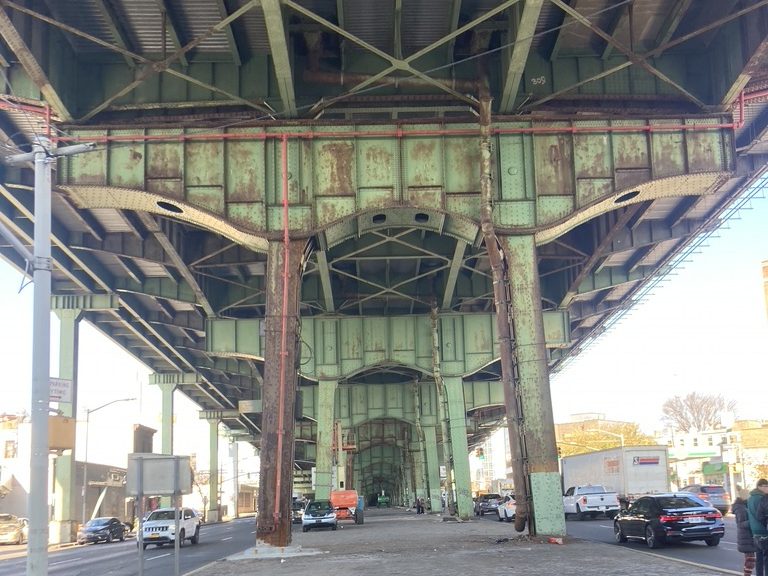
But I’ll spare the long winded ramble about the freeway industrial complex (at least until the FHWA replies to my latest email to them). New York has too many freeways; but at least they have the subway.
Grand Central Terminal
The other “must-see” location for me in Manhattan was of course Grand Central Terminal. Since the head house at Penn Station was demolished for “Madison Square” Garden in the 60s (Madison Square Garden is about half a mile from Madison Square Park – which is dumb too), Grand Central is the best I have for soaking in railroad station history in New York. And it’s definitely worth a trip to see it, even if it doesn’t really have any intercity service anymore (unless you count Metro North commuter trains to Poughkeepsie as “intercity”).
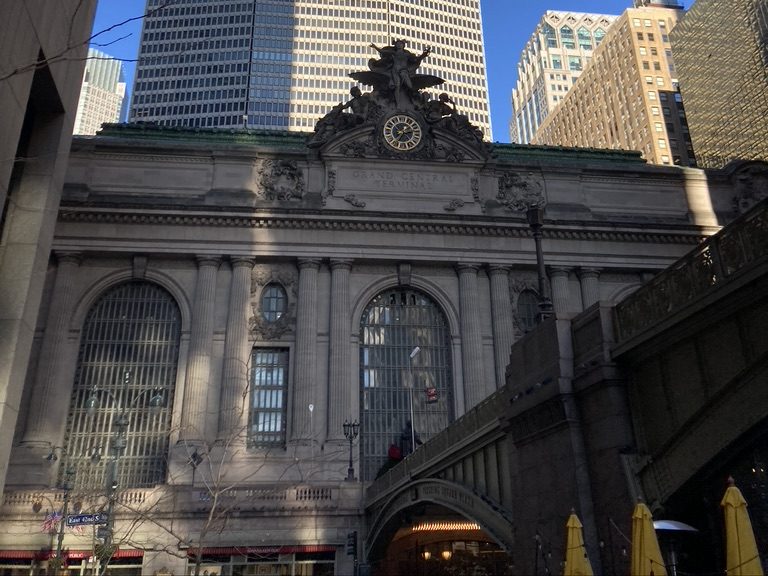
It’s a stunning building, with some excellent plazas, shopping, and more for the tourist. But that’s less interesting than its current and historical role as a train station (to me anyways). The original structure was built by the New York Central in the mid 1800s, with the current structure being completed in 1913. But due to Penn Station’s better connectivity to the rest of the Northeast Corridor, Amtrak has used Penn Station as the main hub for intercity rail every since 1971.
Interestingly, there isn’t really any traction for plans to connect Grand Central to Penn Station. Penn Station operates functionally at capacity, so any trains that could be re-routed to serve Grand Central instead would allow more service into New York overall. It is worth noting that the real limiting factor for trains per day into Penn Station is the old North River Tunnels – but once the new tunnels/rehab of the old ones is done in like 2035, Penn Station itself will likely becoming the biggest bottleneck in New York. Given how long projects seem to take in the area, and with East Side Access finally allegedly being finished this year – it’d be nice to see a more proactive approach to the most important passenger rail city in the country.

Minor rant about railroad history aside, the area surrounding Grand Central is very nice. Probably too nice for me! I mean it’s Midtown Manhattan, near both Park Ave and 5th Ave – which is almost certainly the most expensive real estate in the country. I don’t usually enjoy places like this, I find them to be lacking the amenities I find appealing (dive bars, cheap food, cafes, and bakeries) – but in New York City even the suffocatingly bougie places are fun to be in. There’s tons of people, and that makes a city walker feel at home.
Overall Thoughts
After four great days of exploring New York, I was very sad to leave. There were so many more places I wanted to see, so many neighborhoods to walk, so many train related walks to do. I’ve found it a little sad to be back in Portland – it’s impossible to find anything resembling the hustle and bustle of even the quietest Manhattan street here. It’s really driven home how much great cities rely on concentrations of people to keep them interesting, and Portland is a suburban city.
And the overwhelming whiteness of Portland really stood out in contrast to New York (and Philadelphia, and Washington too). Portland is 70% non-hispanic white, the 6th whitest city over 100,000 in the country (behind Boise ID, Spokane WA, Scottsdale AZ, Lincoln NE, and Madison WI). It is the only city in the country with greater than 500,000 residents that has a >65% non-hispanic white population (Seattle is the next-whitest major city, at 64%). I won’t dive into the social issues that come this, as I don’t really feel qualified to say much of interest, but I think it makes Portland a less interesting place. Less diversity means less vibrancy from cross-cultural interactions and less understanding of how the world actually works. I’m not the first person to note this about Portland, and I won’t be the last – but it really stands out when you go and visit an actually diverse place.
I still enjoy Portland, but I really am finding myself dreaming of the big city now.
 City Hikes
Leave a comment