
In 1890, the Portland, Sellwood & Milwaukie Railroad inaugurated electric rail service on the first interurban line in Oregon down what is now SE 13th in Sellwood. On May 28th, 2023 TriMet is ending diesel bus service on the #70 on SE 13th in Sellwood. You won’t find any long winded obituaries on the official transit plans, but the end of 133 years of consecutive transit service on a cute commercial strip is something worth pining about.
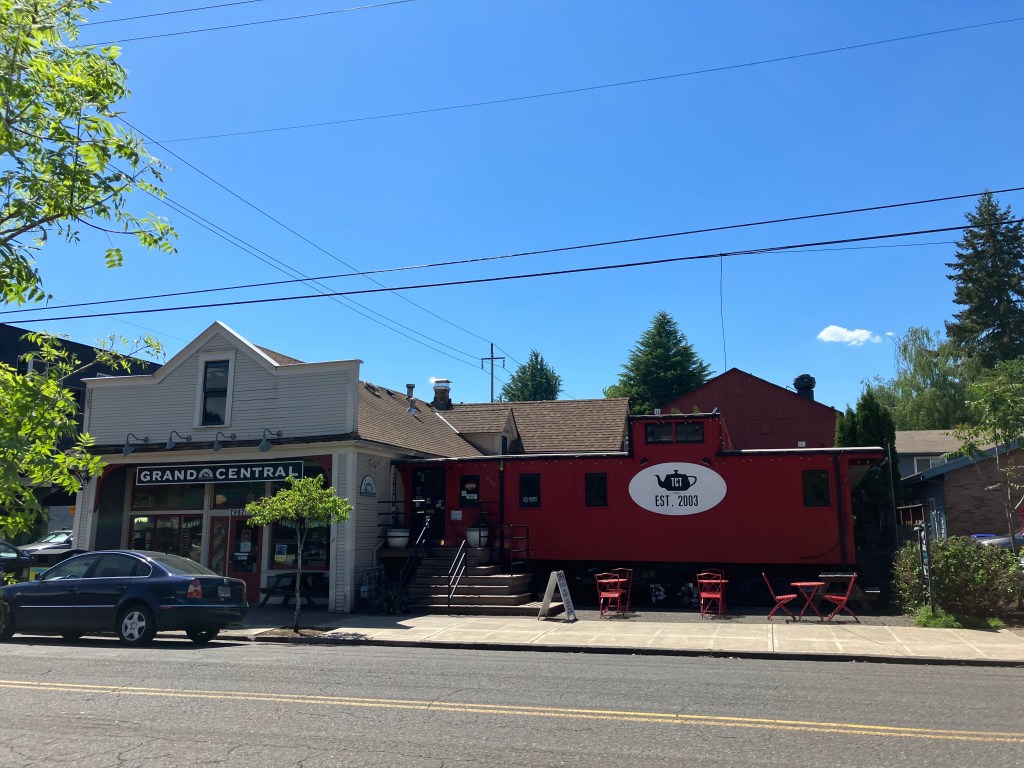
SE 13th in Sellwood is one of the best examples of “streetcar chic” in the city. It’s got the classic street facing buildings, the hodgepodge of small businesses, and a pleasantly walkable character. There is also a library, medical clinic, optometrist, and chiropractor. It’s not just a cute little strip to go shopping at- it’s a key part of life in the area. Removing transit service is a real loss – though there are plenty of reasons that it’s happening.
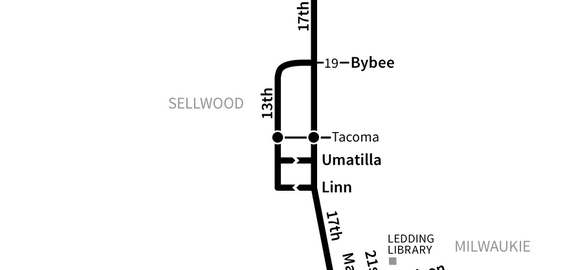
As it stands now, the decision makes perfect sense. SE 13th is a diversion from the “natural” route of the #70 on Milwaukie/17th. The current service pattern of splitting trips between 13th and 17th is both awkward and annoying, and given the choice between the two TriMet elected to go for the 17th option. 17th has some nice little spots and is a more direct route – but ultimately we have to learn a little history to really understand the abandonment of service on SE 13th. So let’s take a trip to two days in 1958.
First, on January 26th, 1958 Portland Traction Company abruptly ended all passenger service on the last remaining interurban lines at dusk (which evidently stranded people at work with no warning. Not great!). One of these lines was the successor to the original interurban line – the Oregon City – Portland line. By 1958, the Sellwood section was more of an isolated streetcar-style remnant (super-ceded by the Springwater route), but just south of the county line the cessation of passenger service meant the eventually abandonment of the line as well. By abandoning the right of way between Golf Junction and Oregon City, the straight shot between points south and SE 13th was lost to a private golf club – leaving room for efficiency minded transit planners to cull the service in the future.

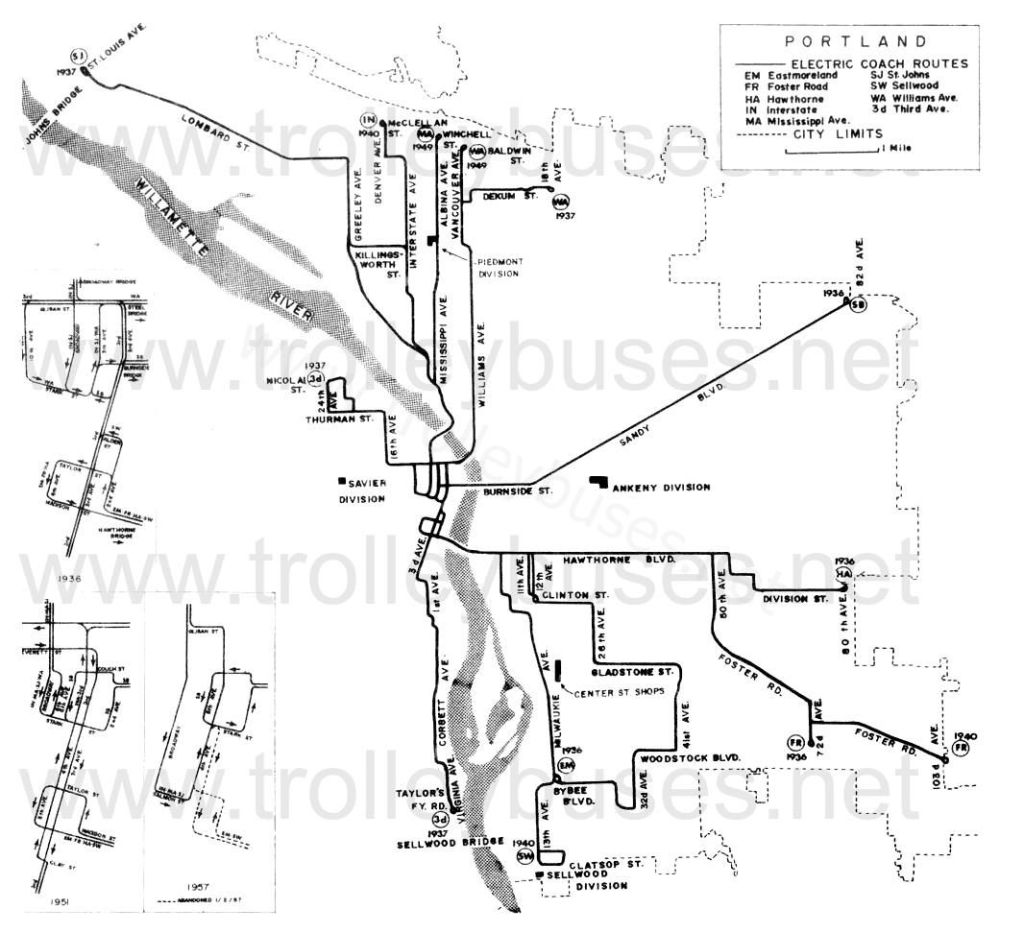
Then, on October 23rd, 1958 Rose City Transit abandoned all trolleybus service in the city of Portland – which included the former route of the interurban through Sellwood. Rose City Transit, like Portland Traction Co. operated like a bunch of 80s style corporate raiders – shedding their trolleybus lines and infrastructure before anyone could really do anything about it. The loss of the trolleybus spelled the end of all regular electric transit service in Portland until the MAX opened in 1986, and is one of the most frustrating parts of transportation history in Portland.
See, in 1958 the Pacific Northwest had among the lowest electrical rates in the country. The damming of the Columbia and her tributaries created a truly gargantuan amount of electric power, and when the Bonneville Power Authority wasn’t busy giving handouts to Alco or dubiously financing nuclear power plants it did offer Pacific Northwesterners electric rates far below their fellow compatriots. It was a bad financial move at the time and it robbed the Rose City of a future where electric transit service was already widespread and ubiquitous.
Once the trolleybus wires were lost, they never came back. TriMet won’t even pay lip service to the idea that they exist, and the lack of infrastructure has meant that our bus service patterns don’t need to line up with the fixed routes of years past. Of course, some people see this flexibility of bus service as a strength – but I’m not so sure. Streetcars and their trackless descendants operating on fixed routes offer highly visible routes through an area. They have a sense of permanence that matters to the development patterns of a place in the long run and as any US bus rider knows, the flexibility of bus service mostly means the freedom to cut service without much fanfare.
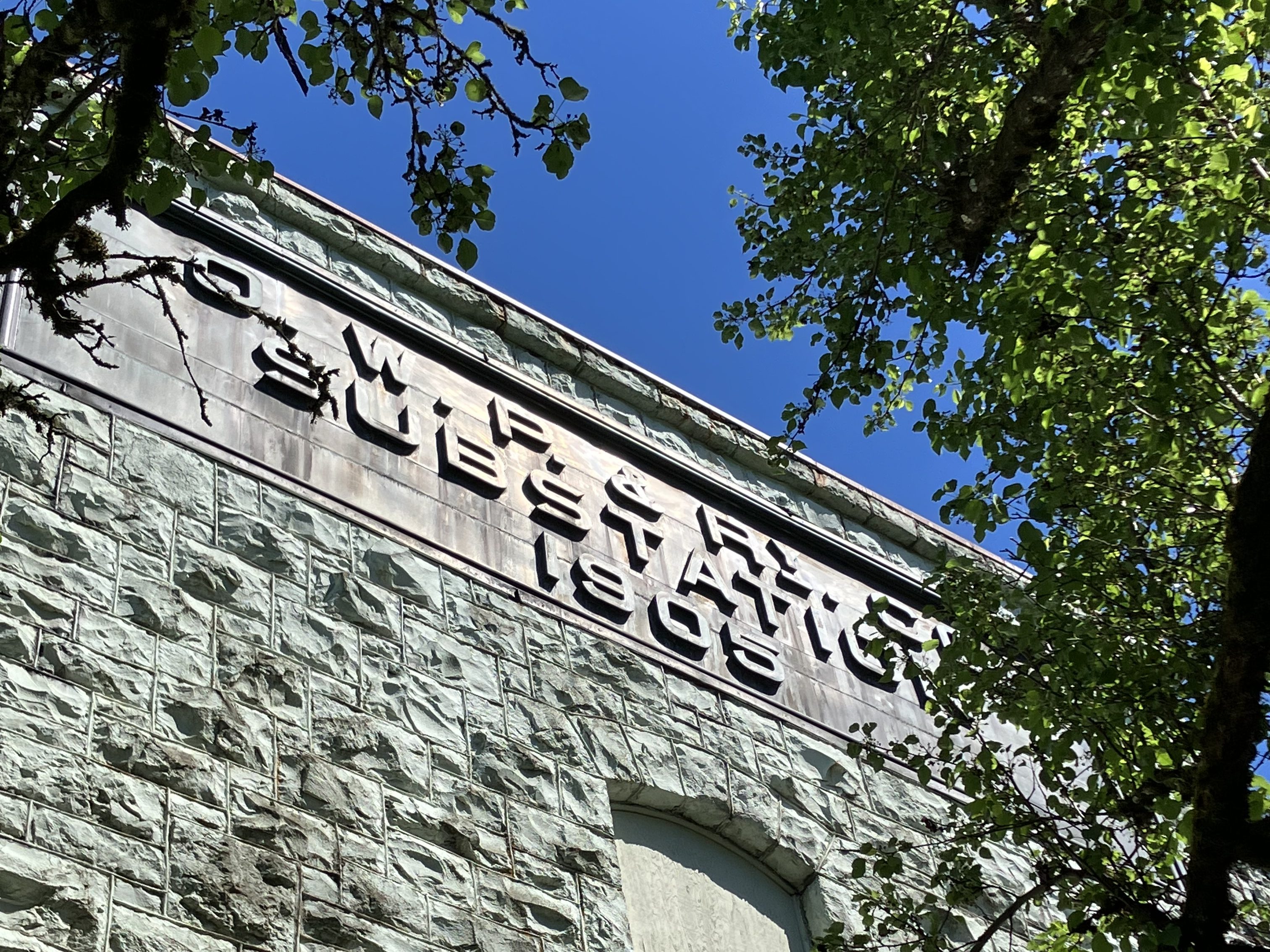
The loss of the trolleybus network on SE 13th meant that ultimately, the only tangible reason to provide service at all is the area itself. And for better or worse, the powers that be have decided a straight shot down 17th beats serving the historic core of Sellwood. I think this is a net loss, but transit service on SE 13th died a death of a thousand cuts. But if you still have the chance, ride the number 70 around the bend of 13th onto Bybee. Picture yourself on a trolley headed towards the Hawthorne Bridge on opening day on a cold December day in 1910. Once May 28th rolls around, the final nail in the coffin will be set, and the city will have just a little less to show for its once massive electric transit system.
 City Hikes
Leave a comment