
This summer, I’ve had the pleasure of taking a couple of long haul train trips on Amtrak and have spent the majority of the time thinking about railroad mergers and “small town feel”. Which is what everyone else on Amtrak thinks about too, I presume. But I find both topics to be hard to avoid thinking about on the train, passing through so many small towns on the tracks of a railroad twice mega-mergered. And the more I think about them, the more linked they become in my mind.
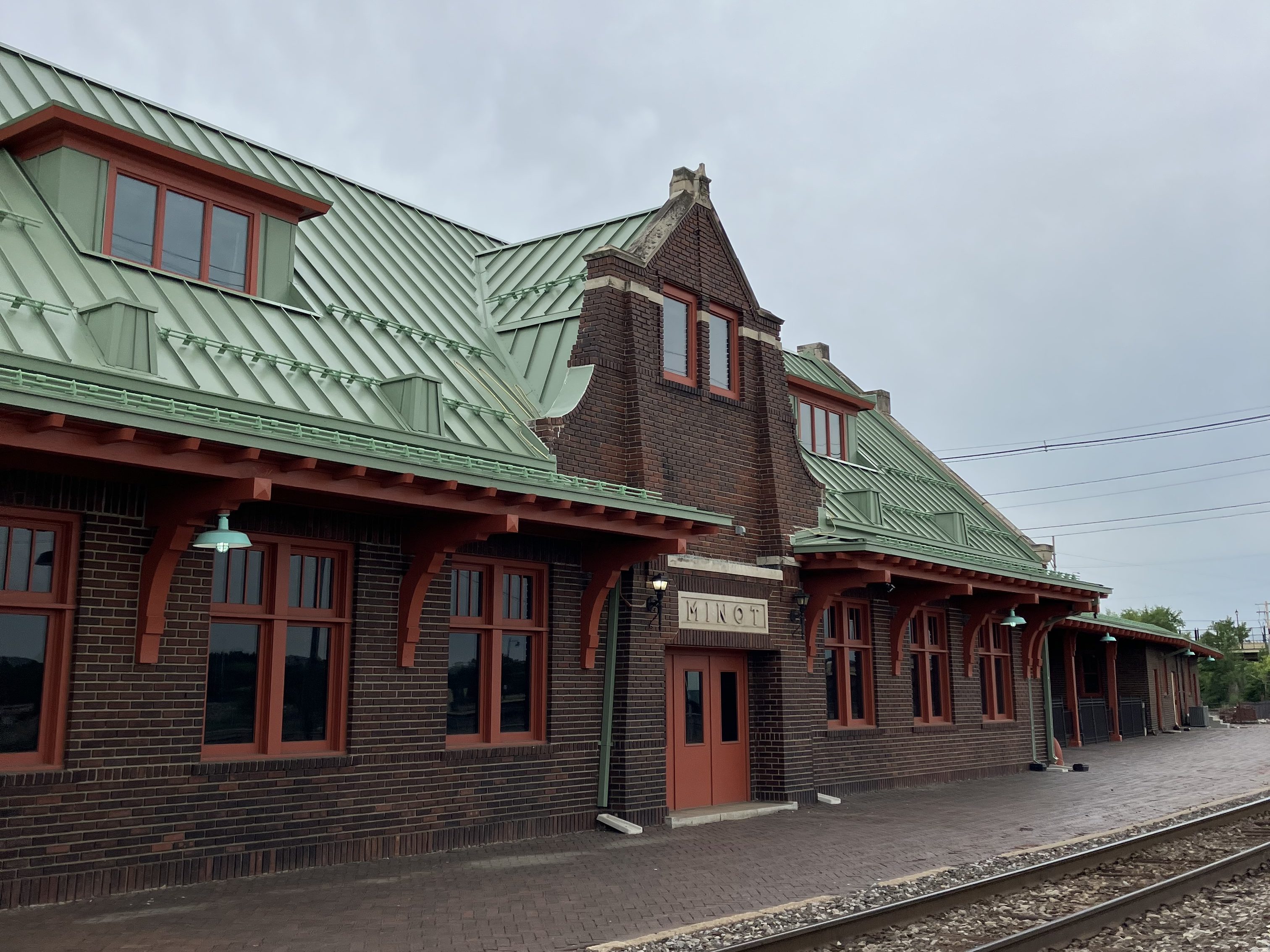
Most towns (and cities) in the US owe at least some of their existence as places of significance due to a railroad. Having a railroad meant having a fast connection to the rest of the world, and a far more efficient way to move goods. It was so important, that farmers in the Minot area donated land pro bono to the Soo Line to convince their engineers to serve Minot, rather than rival Burlington. Main streets oriented themselves with a rail station, to reduce on transport distance and attract travelers, and the modern “Main Street USA” was born.
But with the advent of the automobile, people started spreading out more. The Interstate Highway Act and the fixed rate mortgage created their unholy alliance of supercharging suburbanization, and delivering a death blow to the already struggling railroad industry. Or that’s how the story goes anyways. It’s a familiar one, but what does it all mean?
Well, once the railroads of yore were faced with competition with a heavily subsidized trucking industry (to the tune of $1 trillion+ invested in the Interstate Highways by the Federal Government), they turned to massive consolidations and shifted towards a much less local freight oriented business model. Track miles have shrunk from 430,000 miles in 1930 to 160,000 miles today, with the bulk of the loss coming in the post-1971 “super merger” era. The super railroads of today focus largely on moving huge quantities of bulk goods (coal, ore, lumber, and grain) or intermodal traffic (the big metal shipping containers) with little room* for traditional railroading.
*however, they are making record profits now. So up to you on if they “have room” or not.
But let’s stop to consider the average small town that cropped up along the various mainlines of the major railroads. Once upon a time, the tracks symbolized connection and commerce – since that was how basically all connection and commerce happened. These days, it’s more likely to hear stories about how small towns are afraid of how the latest (and perhaps final) railroad mega merger will cut their town in two by sextupling the number of 3+ mile intermodal trains coming through town. Their fears are well founded; what else could the tracks be to them? They have no train station, and it’s exceedingly unlikely that anyone they know works for a railroad – since 1947 1.3 million out of 1.5 million railroad jobs have been cut.

Concerning connection though, Amtrak was founded mostly to relieve these very same railroads of their expensive (I’ve touched on this before), but socially important role of providing passenger service between cities and towns on their routes. This may have been a good idea (I think it was), but because Amtrak has functionally never been properly funded and hell bent on “profitability”, it has meant that the vast majority of places have lost their historic railroad connection. Of course this is bad for a myriad of reasons, but the biggest relevant loss here is the role of the railroad in a cultural context.
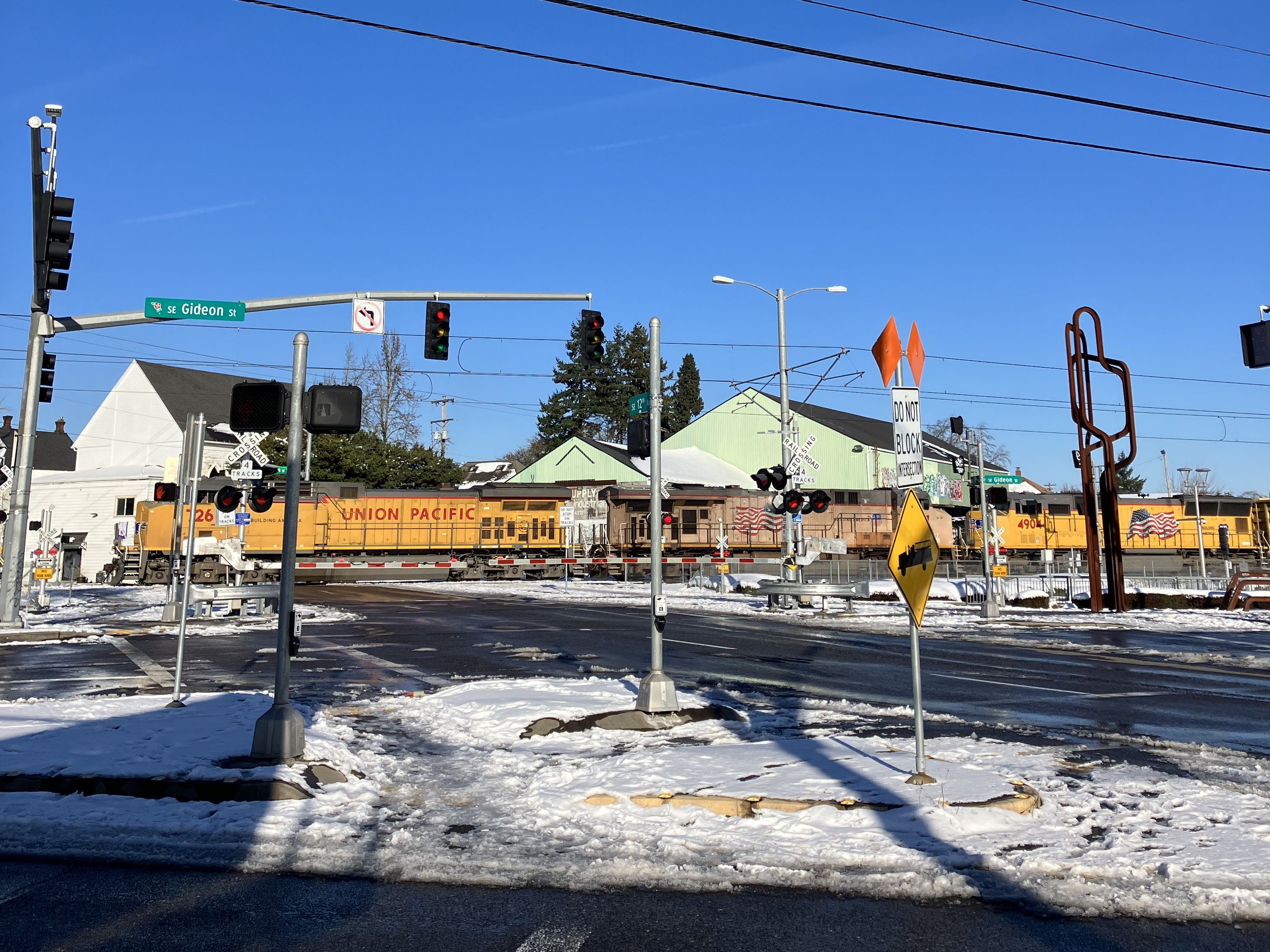
If you can’t use the rails to travel, your job doesn’t use them for shipping, and increasingly few people you know ever even ridden on a train than what do train tracks mean to you? To most people I know in Portland, it means fear of getting stuck at the grade crossing of the UP tracks and Milwaukie/12th. Or if they talk to me too much it means an esoteric history lesson is incoming. Even the way transportation focused people talk about trains usually involves discussing something like “freight companies” – as if BNSF was created to solely move coal. I mean it was, but Burlington, Northern, and Santa Fe all were not.
I think this Reddit comment (and many others in the thread) do a very good job of summarizing how US folks view trains.
I’m from a small town (3,000 residents) that has its whole identity in trains. It’s most valuable building is an historic train depot. The city festival is called “Railroad Days”. The schools nickname is “the Railroaders”. The largest circus train accident ever occurred there. You can not travel through town without being stopped by a train.
I’ve never ridden a train in my 45 years on earth.
The railroads, the companies that built them, the financiers who funded them, and the trains that have traveled them are such an integral part of US History. How can you teach someone about the Native American genocide without talking about the Pacific Railway Act of 1862? Or how can explain the panics of 1873 or 1893 without understanding the role of railroad financing and construction? Not to be a “history is important soap boxer” but history is important, and these are legitimately some of the most important events in US history.
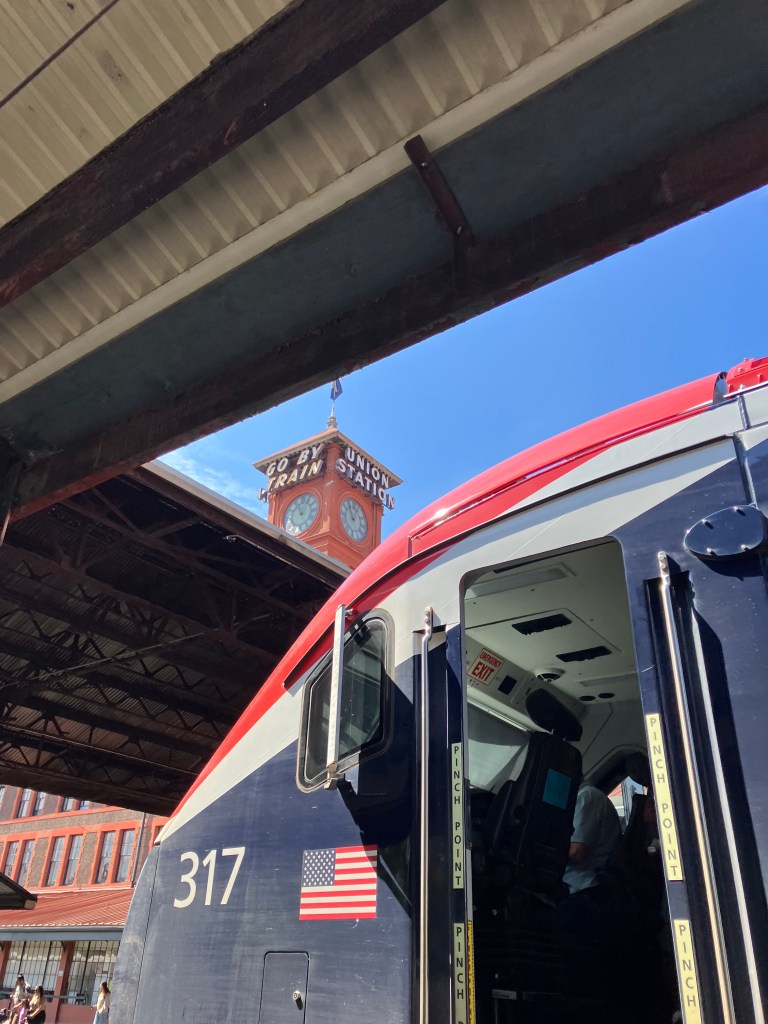
This loss of this cultural understanding is genuinely a big deal, but it’s not too late to recover from it. In creating Amtrak and then not properly funding it the federal government functionally destroyed a social contract between railroads and the people. And because of this, it ought to be up to the federal government to fix this problem – and to make this politically viable, there needs to be a lot more talk about the role of the railroad in the small town. The country may be divided now, but almost everyone agrees that a small community where people know and trust each other is a building block of a functional society.
We collectively spent 100 years creating these building blocks around railroads, only to tear the railroad away in the name of saving a few bucks. The damage that has been done by 53 years of austerity minded funding for passenger rail is hard to overstate, and the stakes are high – indeed the fate of every small town in the country hangs in the balance.
What Is To Be Done?
Amtrak, to their credit is still trying to make the most of the meager pittance they are offered by the federal government. Their “Connects Us” plan is a useful expansion of the network, but really is so far from what’s needed in the context of rescuing small towns from the brink. It largely focuses on major corridors, and connecting up a few extremely glaring holes in the national network. What it lacks is meaningful dialogue about the role of passenger rail in US development and history – in particular for small towns.
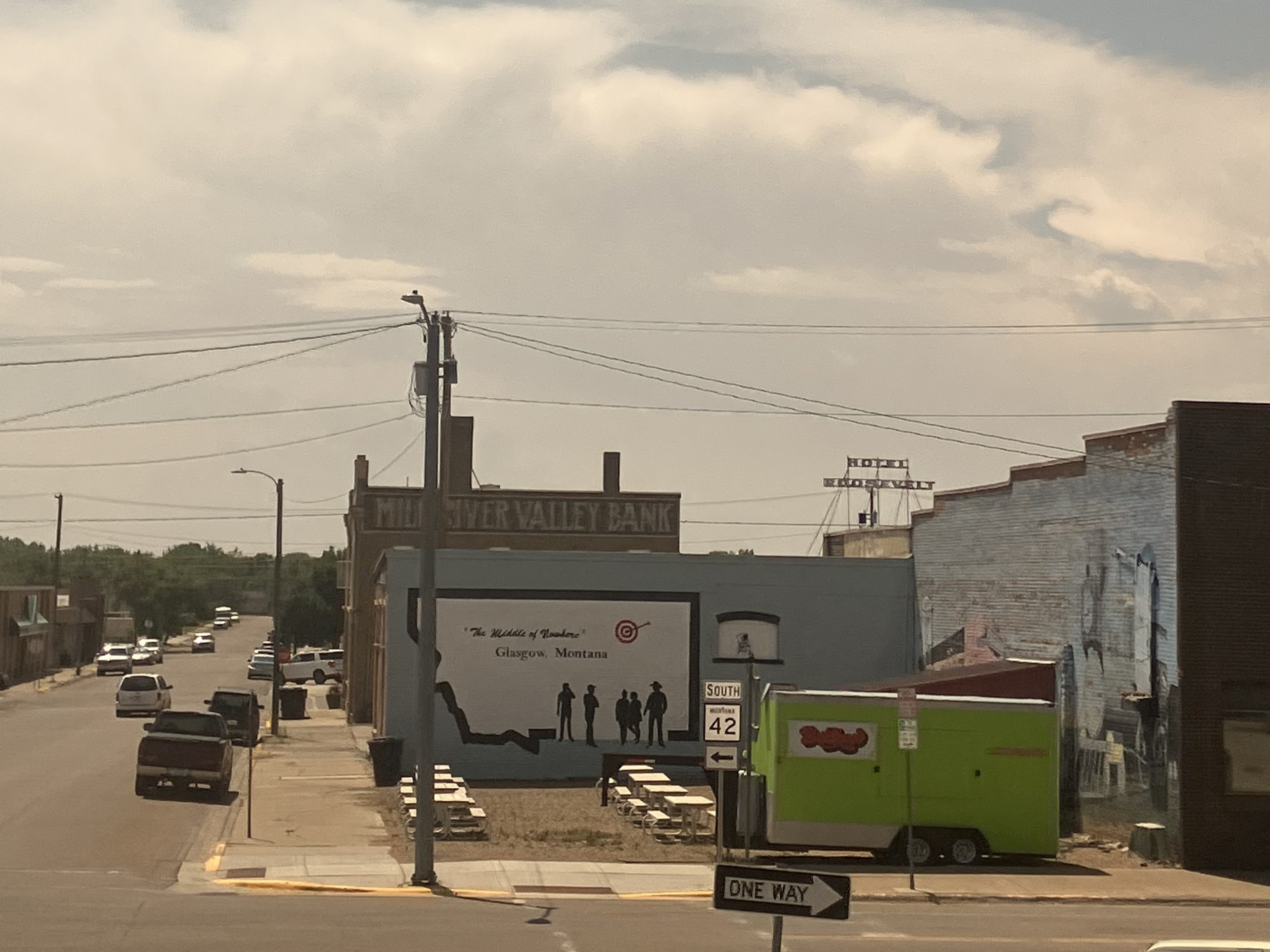
They should be shouting from the rooftops that every town in the entire nation used to have at least daily train service to the nearby small towns and larger cities – and that they want to bring this back. I was on the Empire Builder when I wrote most of this, and when I walked around the train I didn’t see a bunch of hotshots riding the rails for fun (unless I looked in the mirror). What I did see is dozens of my fellow Americans from small towns, using the train as a means to get to the next biggest city – to visit family, or to experience a new place. It’s a beautiful experience, and one that I wish more people could have.
What are the stories we tell ourselves about how we travel? As far as I can tell, the road trip operates in a hegemonic position in the American psyche these days. But this is not a forgone conclusion or a universal truth – it’s a shared cultural norm. And because of this, we collectively have the power to change it. So let’s start with reclaiming the rails as vital links between communities, as centers of commerce, and as ways to get around.

 City Hikes
Leave a comment