
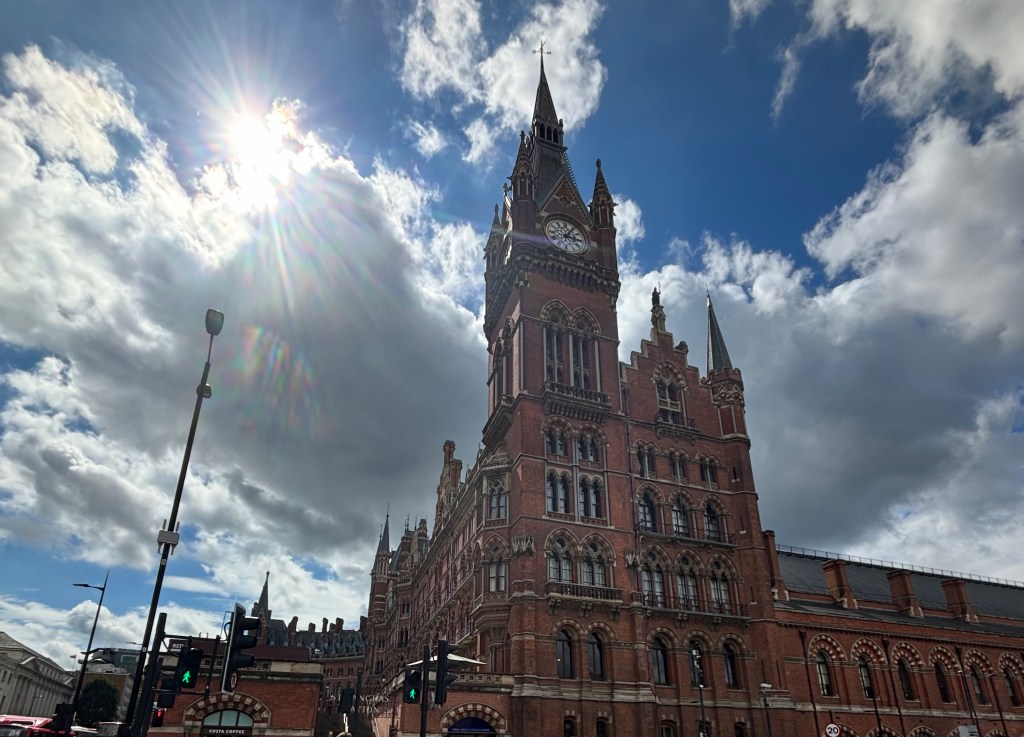
That’s a silly question, of course it is. Travel (if you can afford it) is enriching in so many ways, and while I reject some aspects of the “travelouge” mindset (things like having checklists of countries you’ve been to, or following specific huge guides as to what is worth seeing) it’s worth saying that London is worth a visit. It’s also a huge city, and I’ll try not to generalize too much since we only saw a glimpse. Also, this trip was primarily to visit friends and I was purposefully not deconstructing European cities as an academic exercise while I was there (mostly, anyways).
What did we (myself and Olivia of course) get up to across the pond then?
Stop 1: Woking
Our first stop was the southwestern suburb of London, Woking. Olivia has a dear friend of college who she hadn’t seen in six years or so (and who I had never met) so we stayed with her and her partner at their lovely apartment (or flat if you prefer). Woking was a fairly interesting place to me – it’s very much oriented as a London suburb, yet the downtown really would put most neighborhoods in Portland to shame.

Granted, much of the central core is an indoor shopping mall, but the shops and apartments on and around the High Street were lovely too. But of course the central jewel of Woking is, in classic British fashion, a railway station. And the service levels – especially to London Waterloo – were pretty unfathomable with something like 220 trains per direction per day making the trip between the two stations. Yes, tickets were a bit steep (£14.50) but an express train will make the journey in just 23 minutes.
And this was surprising, even to me, someone who has watched RM Transit’s excellent 20 minute video on London’s very complex suburban railway network. I certainly did not expect to be able to just sort of walk up to the station without a whole lot of thought to catch a train to Waterloo. But the smorgasbord of different services did mean that it was usually worth a bit of thought to make sure we got on a non-stop 23 minute train rather than an all stops 49 minute one.
And it’s worth saying that while Woking is on the Southwestern mainline, it’s not the only significantly served branch to London Waterloo. And this is evidenced by Waterloo being the (formerly) busiest railway station in the UK – with pre-Covid numbers in the vicinity of 650,000 daily passengers on 1,600 trains/day. For comparison, the busiest commuter-oriented terminals in the US – Grand Central and Penn Station – got about 100,000 and 300,000 daily passengers pre-Covid. And Waterloo is just one of ~11 major railway terminals in London!
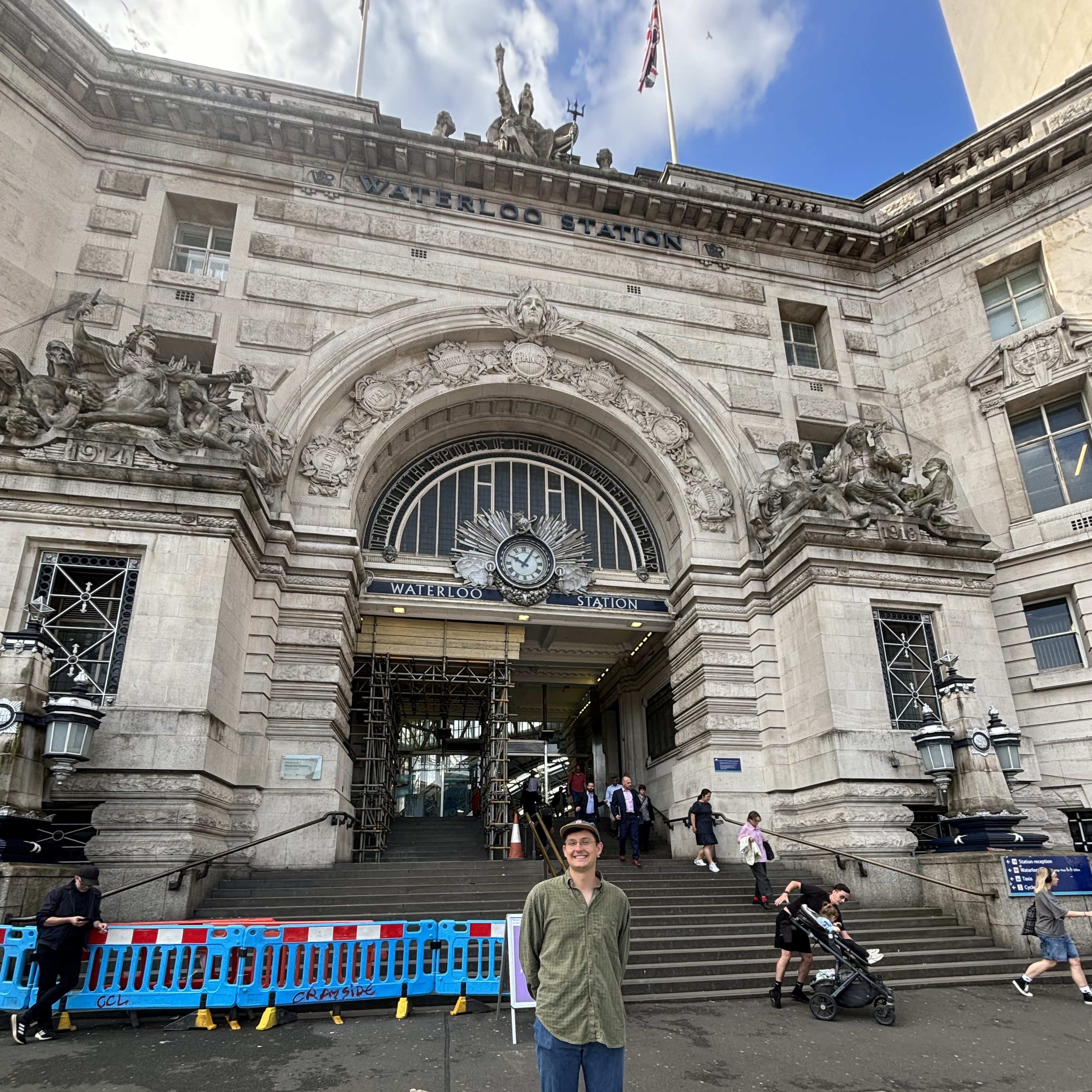
But while the main draw of Woking for locals is presumably the easy journey into London, I think that it’s a place worth it’s salt on its own. It’s a nice little place, though I did find plenty to be annoyed about. For one, the sidewalks were very narrow and the pedestrian conditions honestly weren’t a whole lot better than they are stateside.

I think this sort of experience was valuable though. So often when people from the US visit Europe they only really see the old town, or the tourist hotspots. This will be a recurring theme for my European vacation recap, but staying with friends who don’t live in those areas offered a really interesting perspective and one that I feel is rarely considered in online urbanist discourse.
So many takes seem to boil down to “Americans love to visit walkable neighborhoods on vacation, but then live in places where you can’t do that!” Which sure, is true, but also most people in Europe don’t live in the pedestrianized old town that tourists flock to because they can’t afford it. A place like Woking offers a glimpse into the reality of living in Europe in a more real sense than somewhere like central London will. If you’re interested in urban planning, then it’s worth considering how life functions in more than just the picturesque medieval city – you’ve also got to go to Surrey.
Stop 2: London
While it was great to see friends in Woking, the more exciting bits really were in London (we of course hung out with our friends in London too!!). Though we only had a couple of days in London we saw a lot – and it wasn’t all train stations. But let’s start with the public transportation because it really was incredible.
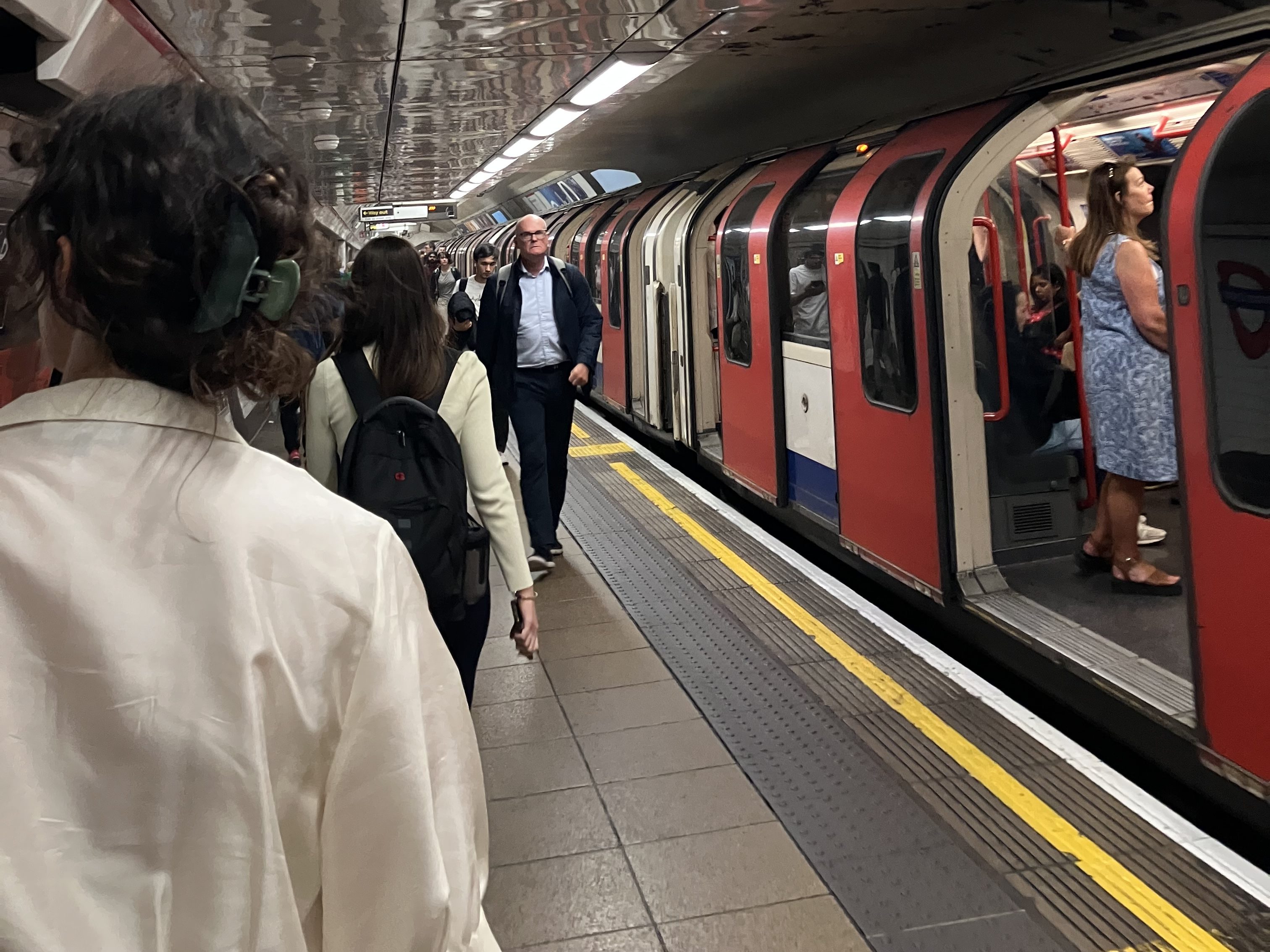
The Tube is incredible, and while we didn’t have the opportunity to ride the ultra-frequent Victoria line I’ve got to get a few fun facts in about it. It’s the most frequent tube line (up to 36 trains per hour, minimum frequency of 100 seconds), the most intensively used (302 million rides in 2019), and more than 1,000 trains a day make the trip. It just boggles the mind really. We did ride the Central, District, and Circle lines. They were all excellent, though someone at TfL really needs to figure out why it’s so unbearably hot on the subsurface lines. Seriously, it was horrible and it wasn’t even that hot out.
Next time we visit, I’ll have to make a point to explore more of the transit system though. While the suburban railways and the tube are great, we unfortunately didn’t get a chance to ride a bus, or to head to Croydon for the few remaining legacy trams. We also didn’t get a chance to ride the Overground, or to ride a bike. I guess when you only have a few days, things get left behind, but I really came away from the trip feeling excited and inspired.
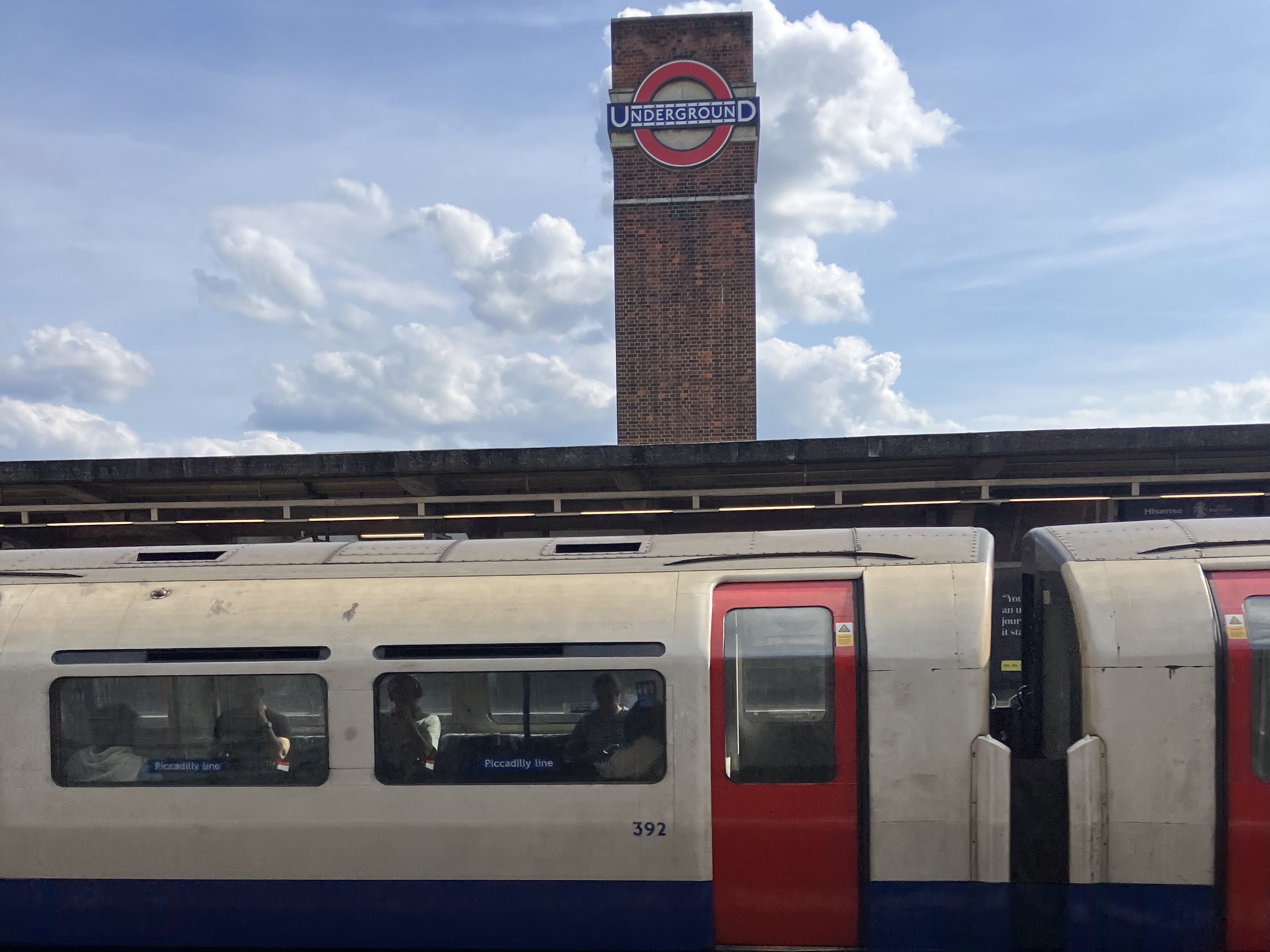
I think the real joy of London isn’t just the public transportation though, but it’s impossible to disentangle it from the experience of the city as a whole. Even so, the rest of the city really was better than I had expected. Walking around the City of London (not to be confused with London – it’s a whole silly thing) was a joy, and Kew Gardens was absolutely worth the price of admission. Say what you will about the British, but they do love a garden.
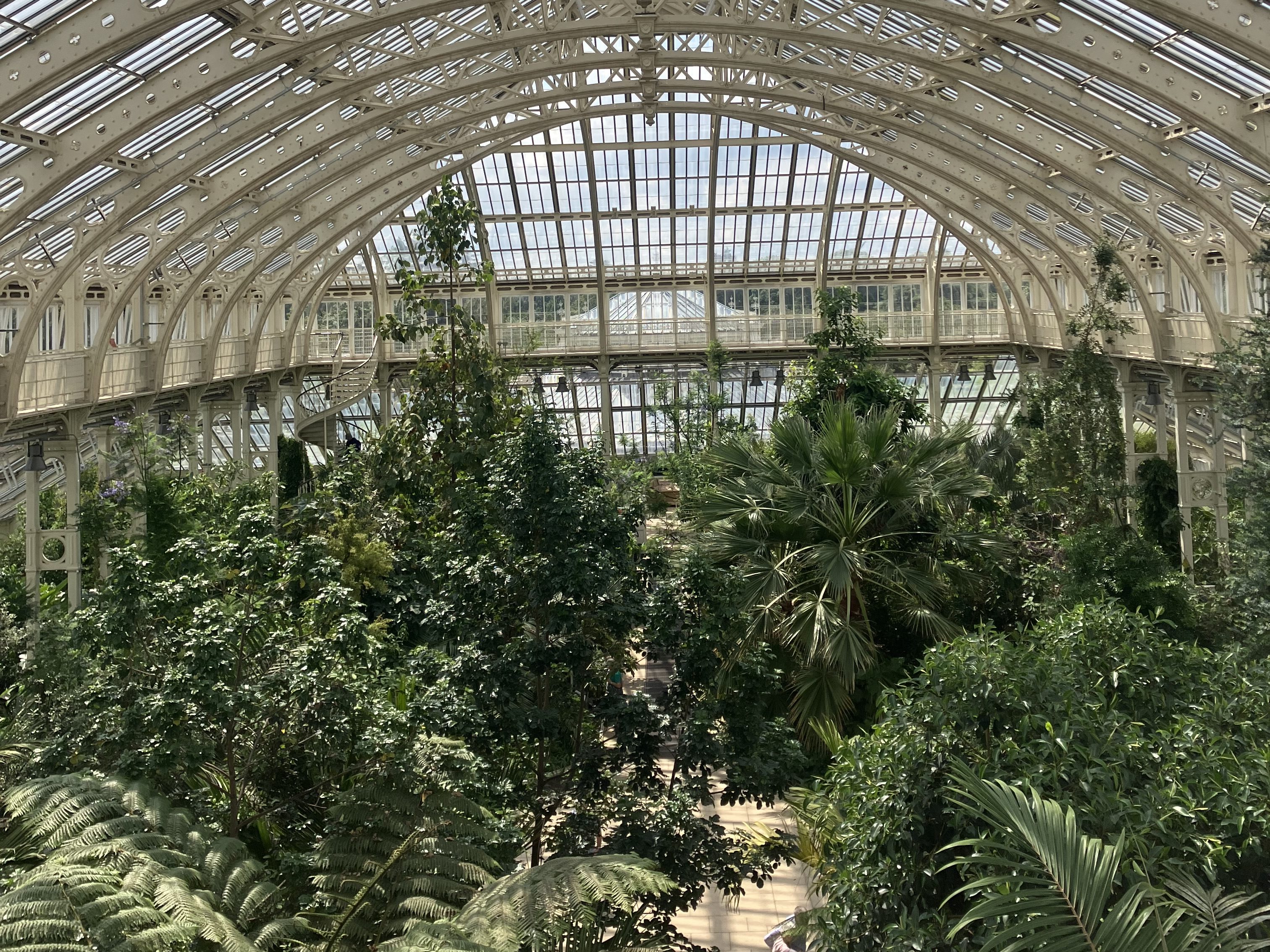
Beyond the world of trains, trams, buses, and bikes though London was a really lovely place to just sort of walk around. Architecturally it’s not as interesting as Chicago, but it’s definitely cooler than Portland. In the absolute center of town it definitely feels like it caters to the investment banking crowd, but I thought the area around Waterloo was charming and pleasant. The cost of everything was more than I was hoping, but it didn’t feel as bad as New York, and since I’m writing this after being in Zurich it feels downright affordable now.
And of course, London is a great place for people watching. Right when Olivia and I first got into town, we stopped at a cafe for a coffee and a bite to eat (bagels in London: not very good). As we were sipping our drinks, a group of girls came in, and one of them asked for a scooped bagel explaining that it was a “normal thing to ask for” in the US. Putting aside that it’s not a normal thing to ask for, and that you should never ever scoop a bagel, I just got a kick out of traveling all the way across the world only to be faced with someone who was clearly from Los Angeles. You can’t escape Hollywood.
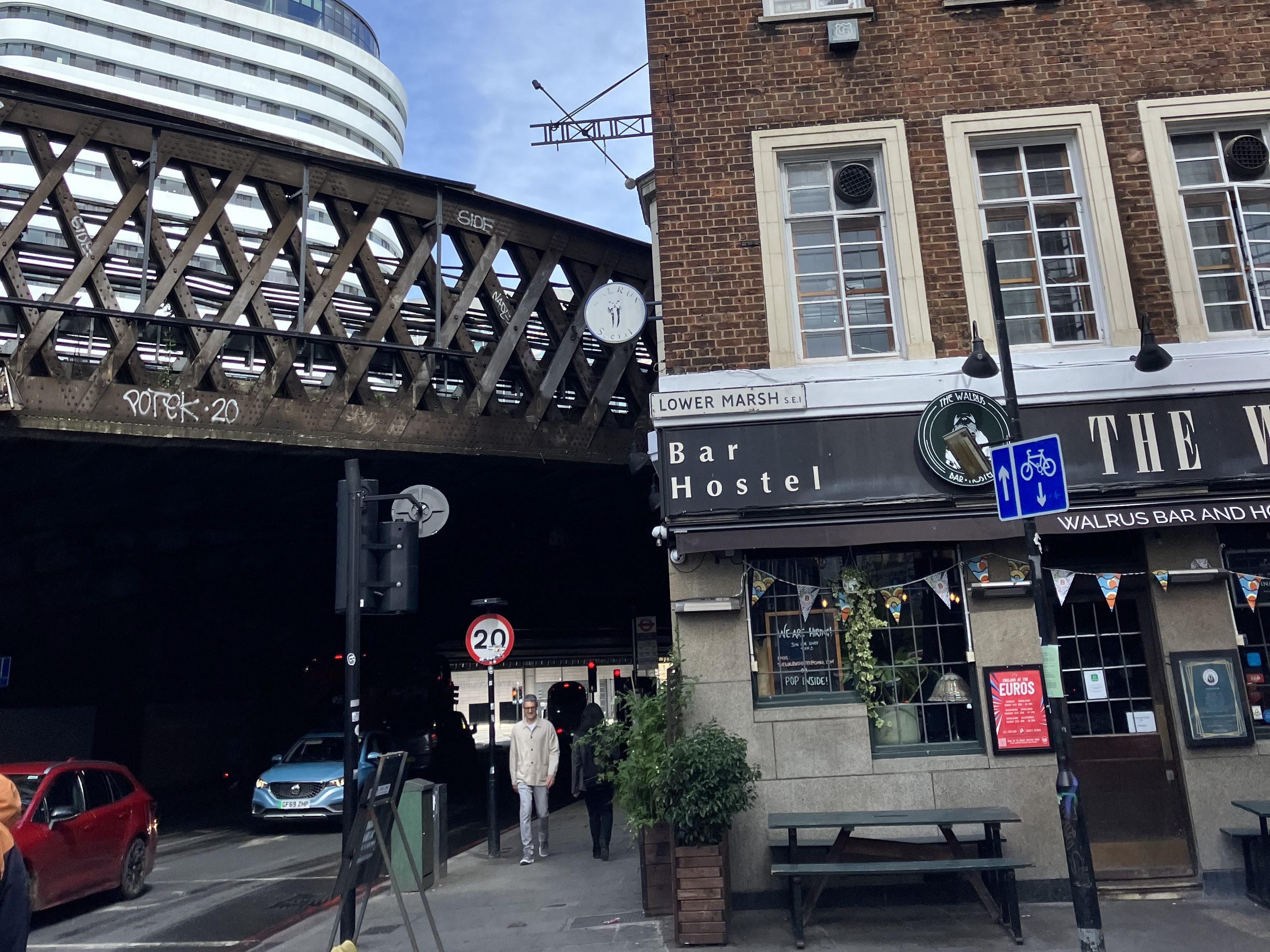
You also can’t escape feeling like the beautiful Victorian buildings, the proliferation of finance related jobs, and the general wealth of London are somehow related to the history of the British Empire and colonialism. Or I couldn’t anyways. Maybe it’s because I picked up a book about the partition of Ireland while in London, but it’s worth considering how places like London (or New York, or Amsterdam, or Paris) established themselves as global cities. Because more often than not, it was on the backs of at least some level of colonial exploitation. Would London be as grandiose of a city if the Victorian era didn’t also coincide with the incorporation of India as the “crown jewel” of the Empire? Surely not.
The wealth that flowed into London bankers hands a result of the imperial project is the same wealth that was used to establish it as a major financial center, and in many ways is the same wealth that is being used to perpetuate those relationships now. It’s not some accident that London is well known for it’s Indian food after all.
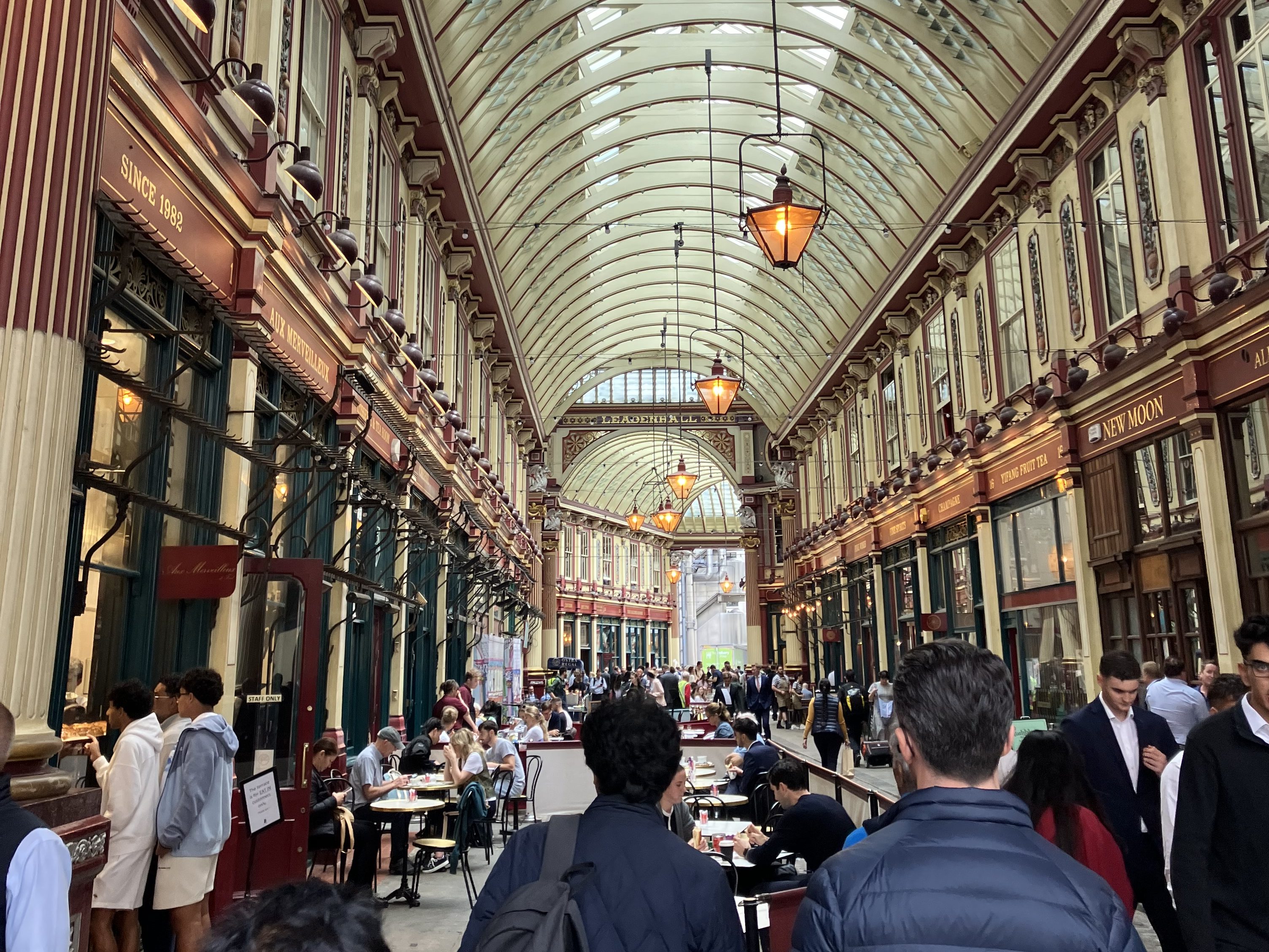
Despite all this troublesome history, there’s still a lot to love about London. And if I spent my whole life never patronizing places that benefited from colonial exploitation, I’d never be able to go anywhere. Still, if you visit anywhere in Europe especially, it’s worth thinking through some of the historical dynamics that were at play when the places modern form was established. Just as New York can never fully escape from the sins of Wall Street, London can never be rid of the legacy of the British Empire.
But a city, country, or continent is far more than just the least savory aspects of its history and London is a place that is brimming with what the French would call “joie de vivre” (though not about London I suppose). There’s a ton to do, a lot of good food to eat, and a lot of people watching to do. And isn’t that what going on a holiday is really about? I’d say yes, and for that London was absolutely worth a visit.
 City Hikes
Leave a comment