I was having a hard time writing the prior post about my recent trip on Amtrak to Glacier. It’s not that it wasn’t fun or interesting (of course it was), it’s just that I’ve also been reading a lot about the history and cultural underpinnings of the US Environmental movement. And there’s just a lot that I feel is worth critiquing in this space, so I figured I shouldn’t go on too long about it in what was intended to be a simple trip report.
For the blissfully unaware of that trip, check out my last post here, and let’s pickup where we left off in the context of Glacier National Park specifically.
Glacier National Park, the Great Northern Railway, and the Blackfeet
Before the Great Northern Railway arrived in the vicinity of what is now Glacier National Park, the Blackfeet lived on the east side of the mountains. They were not the only tribe to have ever lived there, and were not the only ones touched by the railway or the park, but given the extant presence of the Blackfoot Confederacy bordering the park today it’s a useful place to begin. The arrival of the railway meant the arrival of the army, and under duress in 1895 from starvation induced by the wanton slaughter of the buffalo, the Blackfeet signed a treaty allowing for mining exploration on the condition that they retain hunting, fishing, and gathering rights while the land remained public.
At the same time, the Great Northern Railway was aggressively marketing “Glacier Park” as a scenic retreat for the well-to-do. As I mentioned in my prior post, this involved quite a lot of private development in what was essentially public land leased from the Blackfeet. We’ll touch more on this later, but the idea of a “wilderness park”, where no person lives requires the expulsion of people who were already there. In lobbying extensively for the establishment of a National Park (rather than continuing to allow the Blackfeet to hunt and fish on their ancestral home), the Great Northern Railway engaged in tacit cultural erasure.
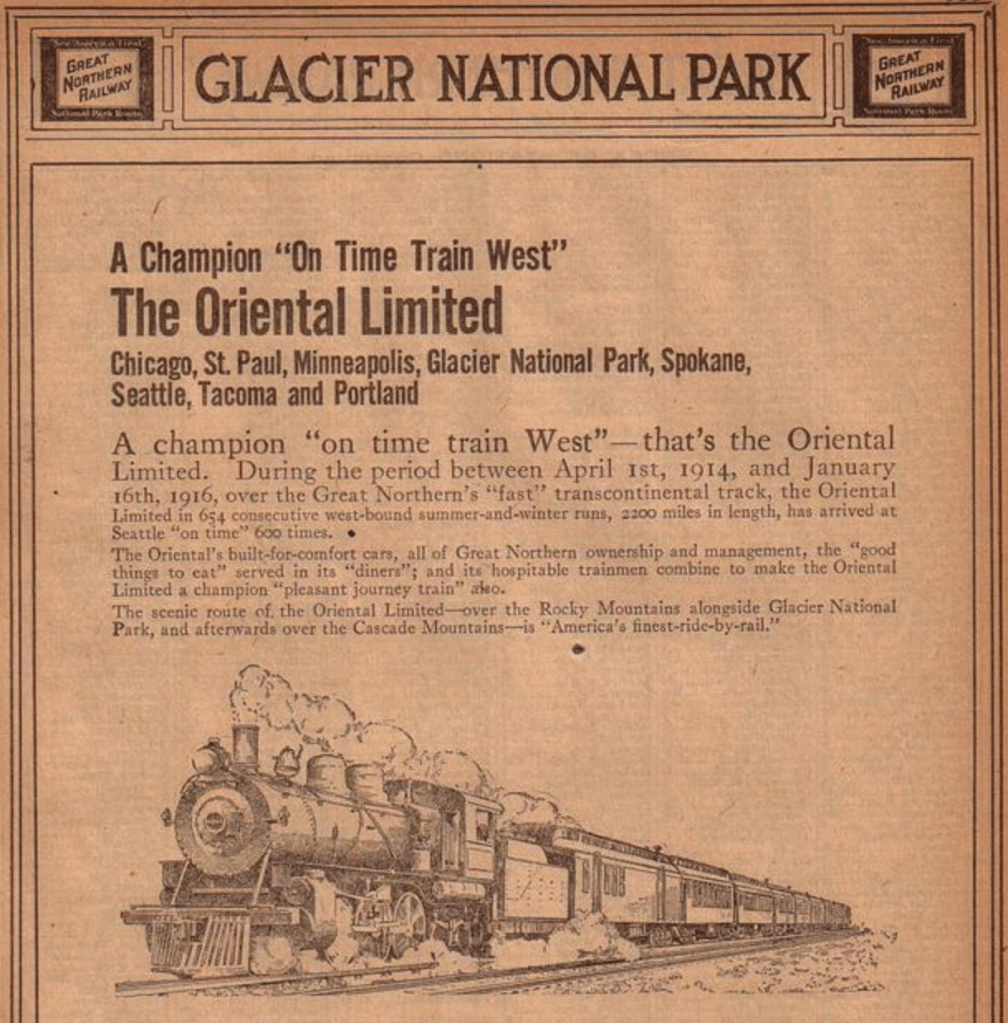
Of course, they were not unique in this, but the particular context is interesting still. For all their endeavors in the park, the railway never turned a profit. Contrasting the treatment of the park, which happened to coincide with a rare partially honored treaty obligation from the US Government, with the way the Great Northern allowed for, incentivized, and profited from timber extraction in other parts of the northern Montana Rockies and you don’t need a tinfoil hat to draw a conclusion about why. If the area that is now Glacier was to be public land, it would be public land in the image of the late 19th century industrialist class – land with no Indians. Indeed, the National Parks Service era beginning in 1910 is marked by the revocation of hunting and fishing rights for the Blackfeet within the boundaries of the park.
While this all seems like ancient history, the same conceptualization of wilderness in US culture still exists today, and its something that the NPS directly engages in. While there are some parks (primarily in Alaska) where Native people still have rights to hunt, fish, or otherwise live within park borders outside of these, wilderness in National Parks is primarily constructed through the lens of the Wilderness Act of 1964 where
“A wilderness, in contrast with those areas where man and his own works dominate the landscape, is hereby recognized as an area where the earth and its community of life are untrammeled by man, where man himself is a visitor who does not remain.”
Even if you set aside the Native exclusion and erasure that this kind of rhetoric necessarily engages in, and even if you can look past ideas that people can never positively or symbiotically impact their environment, I find it to be deeply boring. Part of the appeal of a National Park, any so-called wilderness area, or indeed any place is the human history. How can I understand the real history of a place if I only seek out somewhere designated as “wilderness” to escape to? The history of Indian removal and Glacier may be grim, but that makes it more important to understand – not less.
But beyond that, it allows entities like the National Parks Service to pedal ideas like “Native Americans had relatively little long-lasting impact on the land“, despite demonstrable evidence to the contrary. The blurb on the Glacier site goes on to say that “Though they often set prairie and forest fires to clear pathways, herd game, and stimulate new growth, the impact was short-lived and of less significance than changes stimulated by today’s technological society.” This is not a statement bounded in objective reality, it’s a statement of values. The suppression of the Native fire regime is now widely understood to be a large factor in the increased intensity of mega-scale wildfires – to say that this was short-lived and of little significance is absurd.
Sure, the changes wrought by modern society may be larger in scale, but how much of that is really due to modern technological changes, and how much of it is inherent to a philosophy of land management rooted in exploitation? To point to “technology” as the root of the problem is to obfuscate the political structures that have been created to ameliorate the exploitation of the people and the land – a process that predates the specific danger our planet is in due to climate change.
And are the challenges presented to Native Americans living in their ancestral homes like the Blackfeet any greater now than they were in 1910? No, the issues are still the violation of treaty rights and the erasure of culture. Normative ideas of wilderness perpetuate this both by physically preventing people from living on the land, and by paternalistically stating how “they lived within [nature]”. English peasants lived within the bounds of the natural world they lived in before being enclosed by the gentry and shipped to New England, but no one would accuse them of not having an impact on the land. Indeed, the British Government recognizes that people living on rural lands is a key part of preserving the landscapes of their National Park equivalents. If we are serious as a country about reckoning with our original sin of Native American genocide, then we need to understand how something like the National Parks Service played a role, and continues to play a role, in it.
On the Nature of Nature

I’m admittedly not an expert in Native American history. Nor do I have any meaningful personal relationships with Native Americans. So I try not to speak with authority about the ways in which culture has or hasn’t been erased. Even commenting on if the NPS statements are paternalistic or not feels like a step out of my comfort zone. And it’s probably a step too far to say that the Parks Service currently engages in cultural genocide of Native Americans. Rather by being a large player in the public conciseness of “wilderness”, the Parks Service furthers a longstanding agenda that is, at best, rooted in colonial-minded practices.
But beyond the pale of rural agrarianism or Native lifeways, the wilderness/civilization divide hinges on the contrast between the urban, the rural, and the wild. In the normative conceptualization, the wild is the source of good while the urban is the source of rot and decay with rural lands likely being some of both (depending on who you are). While it’s true that most urban areas face far greater issues relating to pollution, habitat loss, or other environmental concerns, it’s worth asking if the act of elevating the wilderness to the semi-spiritual realm serves to help or hinder. Because for the vast majority of people, interaction with the natural world is something more often experienced within the confines of “every day society” rather than in a designated wilderness. It’s far more practical to “connect with nature” by staring a garden than it is by driving to Glacier National Park.
Evidently, these are usually considered to be categorical differences. You can enjoy gardening without wanting to go to a National Park, and vise versa. But when we talk about things like “being close to nature” (a common refrain for many a westward mover these days), this is almost always in the context of de-peopled wilderness reserves close enough for day or weekend escapes. Beyond just the obvious historical wrong of forced removal, it’s worth asking if the natural scenery of Glacier National Park is any less natural than the bucolic dairy farms of southern Wisconsin, or even something like the US Steel Gary works.
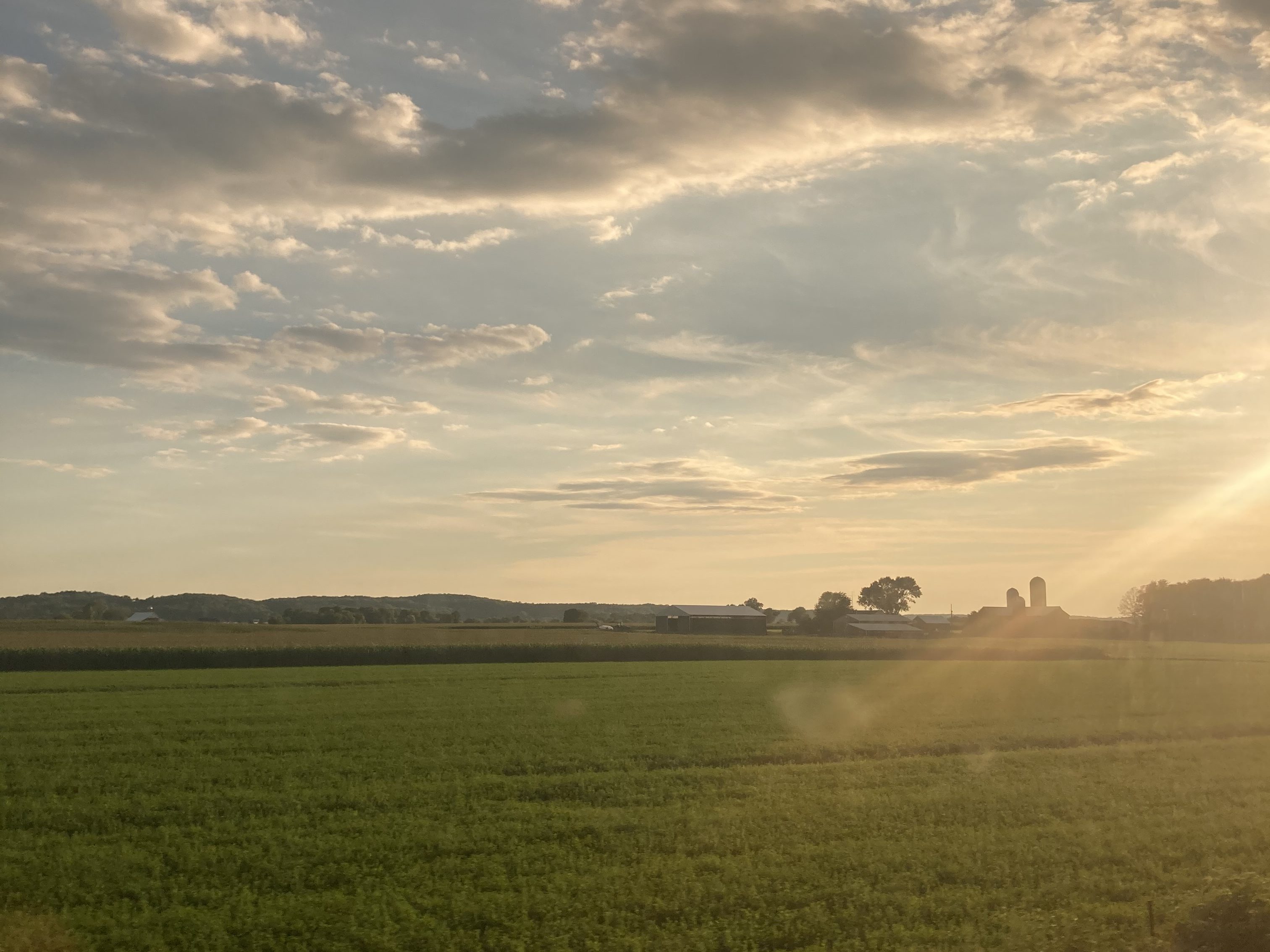
Invoking something as seemingly unnatural as the continent’s largest integrated steel mill is intentionally provocative, but it’s only “unnatural” insofar as industrialization is seen to be an unnatural process. Given the profoundly alienating aspects, social strife, and acute pollution associated with industrialization I think that’s understandable. But extending that to a typical rural setting of farms dotted by the odd silo or hill then requires framing agriculture as “unnatural”.
I’m no ethnobotanist, but something like agriculture is an intrinsic part of the human condition. You can make a compelling argument that the means by which modern farming is done (i.e. heavily reliant on industrial products and methods) is unnatural, but that does little to resolve the original framework by which the wilderness ethic of John Muir and co. exists under. In that world, the wilderness vistas are a place of spiritual relief from the corrupted, overdeveloped world. The evangelical nature of Muir’s writings certainly goes a long way in selling Yosemite as a place worth “saving”, but the Indian removal and fire suppression also altered the landscape in a profound way.
Was Yosemite as it was inhabited by the Ahwahnechee in a natural state? Or is the current park more natural? If you say the first, then you really need to ensure that you reorient your idea of what “natural” is to include people more broadly. If you fail to, I think you risk perpetuating tropes like the “noble savage” that are partially responsible for the mess we are in now. No doubt that the Ahwahnechee people have historically had the cultural knowledge to live within in the Yosemite Valley, but to call this “natural” while simultaneously positing that nature is best conceived of as “a place where man himself is a visitor” runs into self-evident problems.
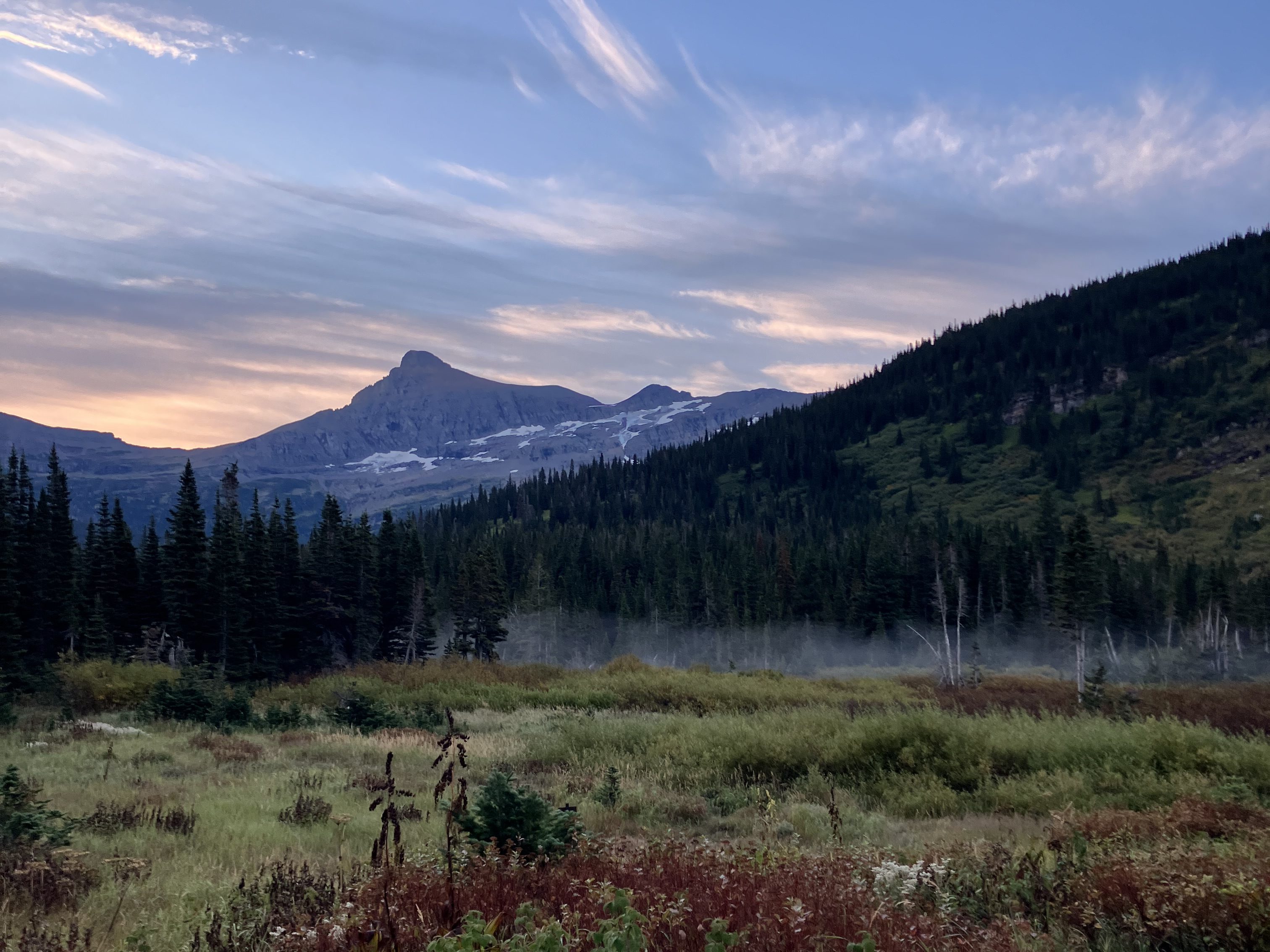
And it would be difficult to call the current state of the Yosemite Valley wholly natural now. Of course there’s the gift shops and the parking lots, but there’s also more undergrowth (a result of fire suppression). Fire suppression is perhaps the most obvious and evident aspect of the human impact on all places we collectively call wild, and this extends far beyond the developed parts of the meadows of the Merced River in the Yosemite Valley. The use of fire by the Native people of California (and beyond) to manage forest growth, to attract new growth, to fertilize soils, and much more means rethinking basic wilderness concepts like “virgin land”.
While that term is maybe less in vogue these days, the basic ideas contained within still form the core of how we tend to classify natural areas, especially in the context of the National Parks. But at their core, these lands “protected” from human development have histories intimately tied to human use. This use may have looked different to White settlers, but that doesn’t make it any less used or real. The act of removing the Native people from the land of the National Parks was wrong on its face, and the continued presence of the wilderness ethic in society serves that same end – to erase the human history of the place.
This is all to say that a definition of nature that seeks to erase the real historical presence of humans, either explicitly or implicitly through the means in which land is managed, serves only to alienate us from the land that we live on. To change nature is to be human, and the purpose of a whole host of historical cultural practices has been to prevent that use from becoming exploitation. I find wilderness as an idea fundamentally incapable of providing that guidance – it can only tell you that you should be humbled by the awesome power of the untamed wild, but that humility then only lasts while you exist in that place. What does the wilderness teach me about the impacts of my choices in the ever day, if those choices only degrade the environment I live in?
Perhaps someone with a rosier outlook would say the humility taught in the back country extends into the home, that the act of getting away from it all helps to reframe their lives to be more modest. But in my experience, this is rarely the case in any practical sense, even if it may be partially true.
Still, I’m Out There
Despite these troubling philosophical undertones, and the deeply White colonial sensibilities of it all, the wilderness trip is a part of my life in a way that is difficult to unravel. While my childhood had little to do with camping, my early adulthood has been filled with it – mostly on account of friends and loved ones from California and my dear friend Olin. See while I never did much camping or park visitation (my first trip to a National Park was the Grand Canyon in Spring 2019), Olin’s family did a yearly trip to Colorado. I heard the fun stories, and when we took a trip to Colorado together during the summer of 2020, I found myself fitting neatly into the world of modern American Wilderness Tourism.
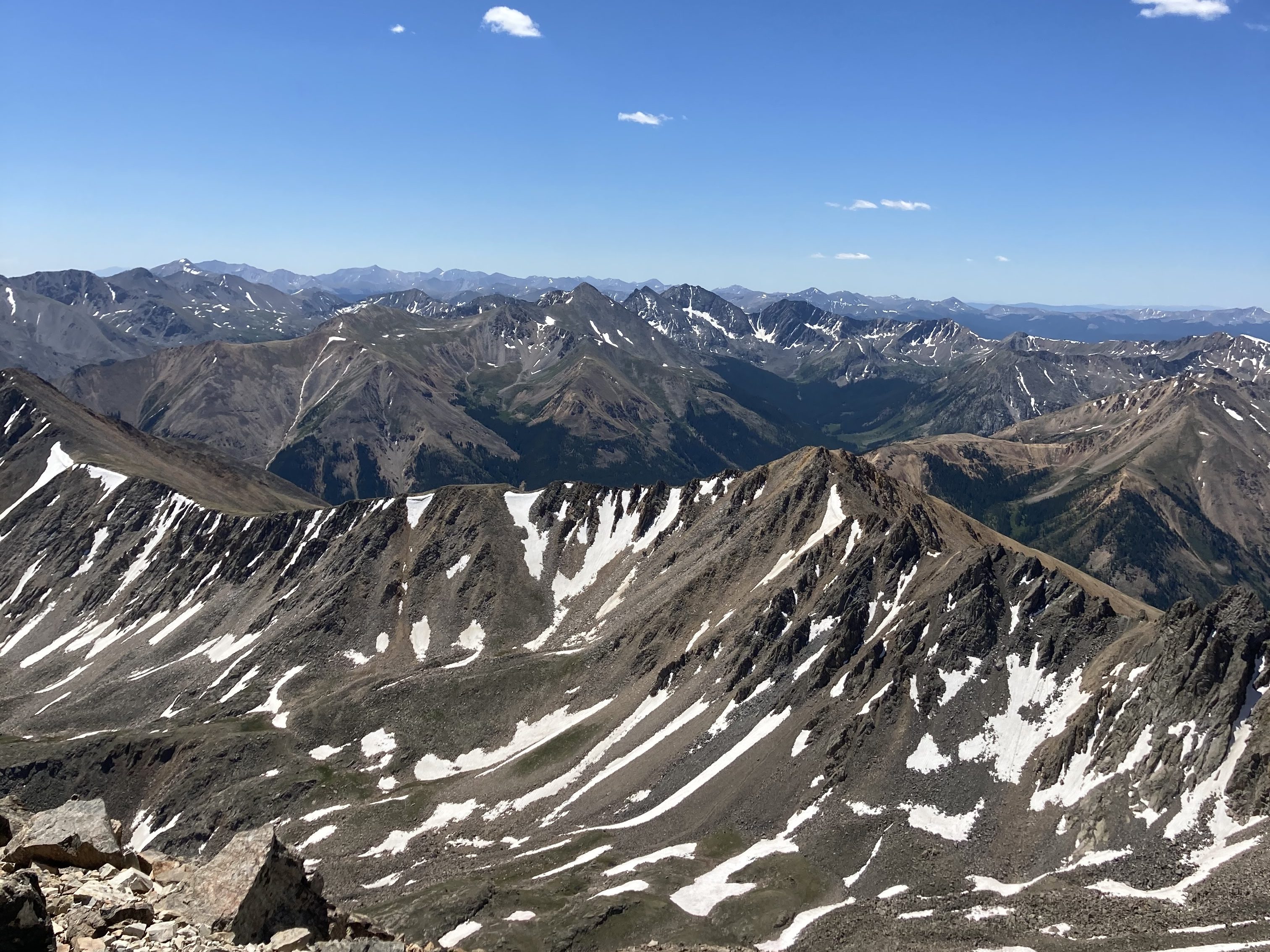
My move to Portland naturally exacerbated this. I got into backpacking, and a few extremely lovely trips to Olympic National Park really solidified it all. But as I’ve ventured further in, the frustrations with the ideology have simmered up. Even before I would have contextualized it in exactly this way, this blog was really borne out of a desire to see adventure and pleasure in the every day (heavily influenced by Aussie YouTuber Beau Miles’ various colorful commuting expeditions and New York based writer Alex Wolfe).
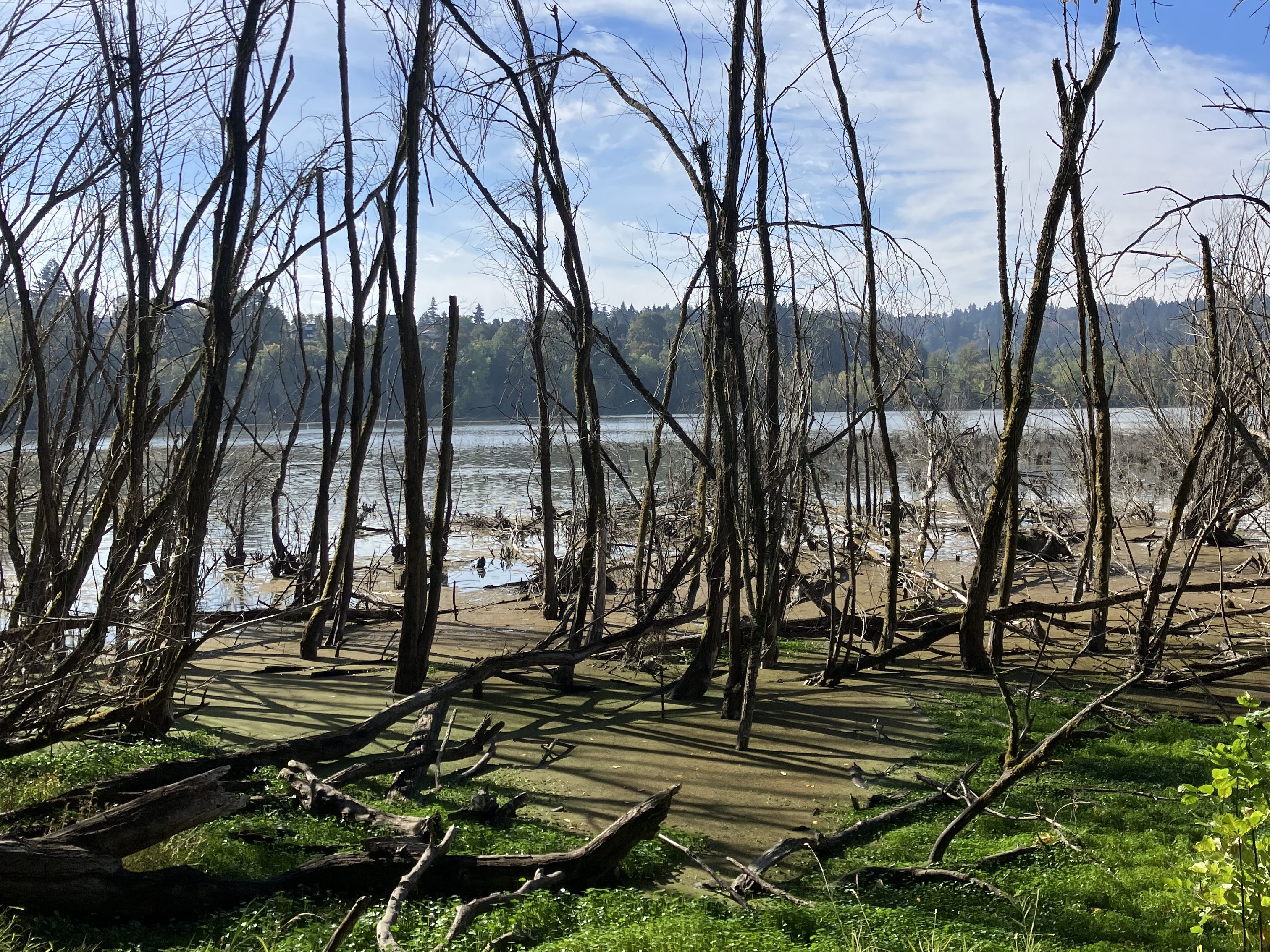
And since Portland is a city that self-consciously defines itself as “close to nature”, the contrast between our city parks and the nearby wilderness areas is salient. But I find the joy of a walk in Oaks Bottom to offer just as much value than even one in the deep wilderness of Montana. It’s just that the length and physicality is often missing from in-the-city adventures, instead providing a rich and interesting human history that is impossible to miss. The important shift in my thinking has been to understand this human history as adding to, rather than subtracting from, the experience of the place. The layers of a place give it intrigue, and part of our cultural project as descendants of colonial settlers should be to recover, preserve, and cultivate the continuation of the layers that preceded us.
I still want to experience the quiet grandeur of the modern National Parks. I sincerely enjoy them, and I do find tranquil moments in the wild places of the world to be relaxing. Even as I push to contextualize those moments, I’m working to figure out the context that makes sense for my life. So this has mostly taken the form of scaling back on the multi-day wilderness trips (while still getting a few in each summer), and an increased interest in the mundane and everyday experience of being in the environment of my home. Despite my qualms with many aspects of the wilderness ethic as told by John Muir, the purple mountain majesty above the fruited plain still stirs something. But if the wilderness is to be a cathedral, I want it to be one where the human builders and shapers of it are recognized, celebrated, and empowered.
Maybe this is all a long-winded way to say that I want our country to start giving Land Back to the various groups of Native Americans to which it is owed, while simultaneously finding a way to cultivate a deeper relationship with the land I live on. I don’t think these are mutually exclusive things, and I want this deeper relationship to emphasize the human history rather than obfuscate it. Huge parts of this history turn out to be deeply problematic, even shameful, but we have a responsibility to reckon with even the shameful parts of our collective past.
Thanks for reading, see you next time!
This post was largely inspired by my trip, Uncommon Ground by William Cronon et al., and Dispossessing the Wilderness by Mark David Spence. I’d highly recommend those two books for further reading on the general topic.
 City Hikes
Leave a comment