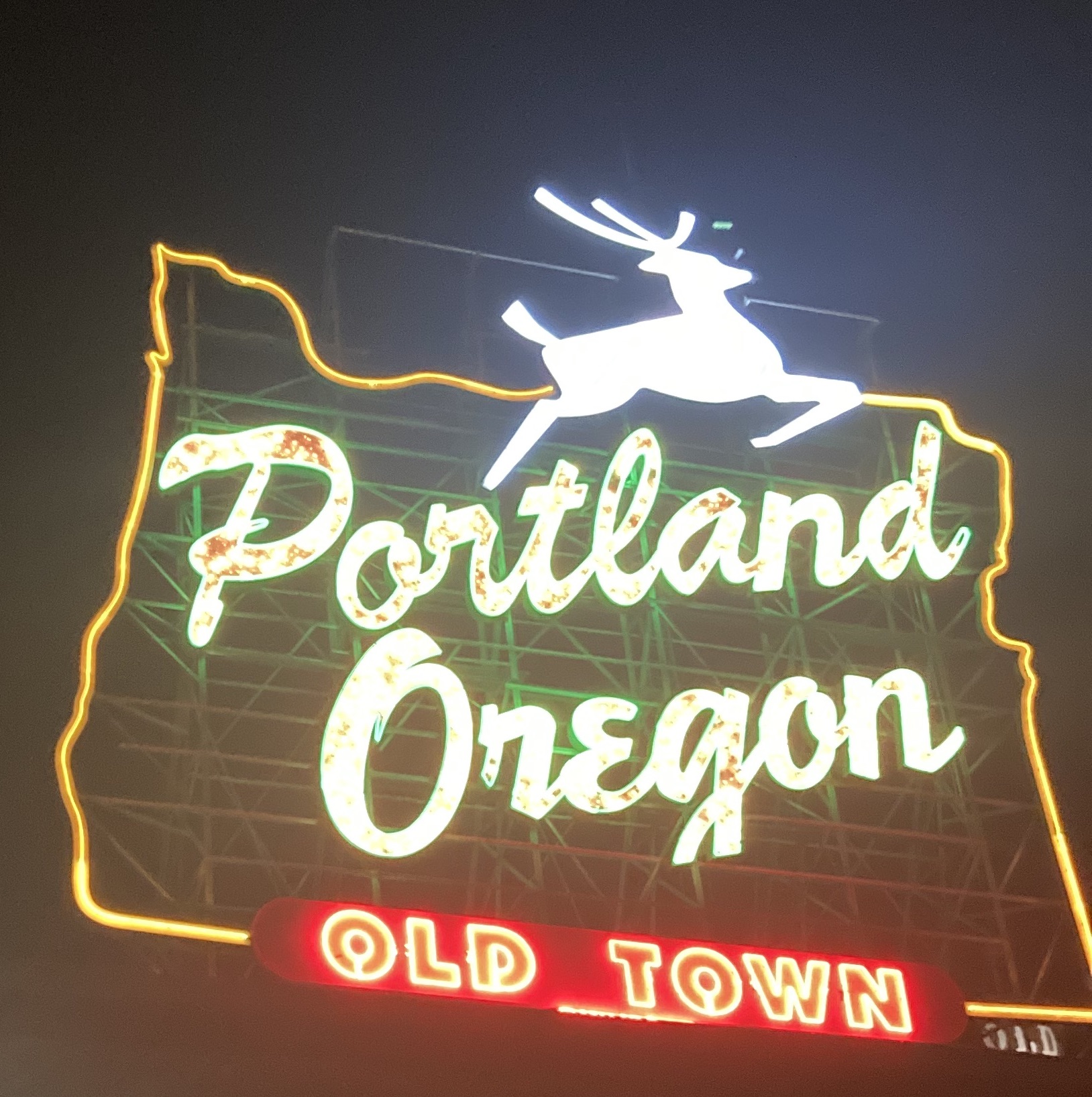
My train ride out of Flagstaff started uneventfully. Olin dropped me off at the station, and then we rolled along through Winslow. I was excited about the train hitting 90 MPH, on a stretch of track which the Atchison, Topeka, & Santa Fe railway installed signals that allowed for higher speeds back in the pre-Amtrak days. My joy was quickly turned in to dread though, as an ominous message from the crew came in – a freight train ahead of us derailed and block the tracks.
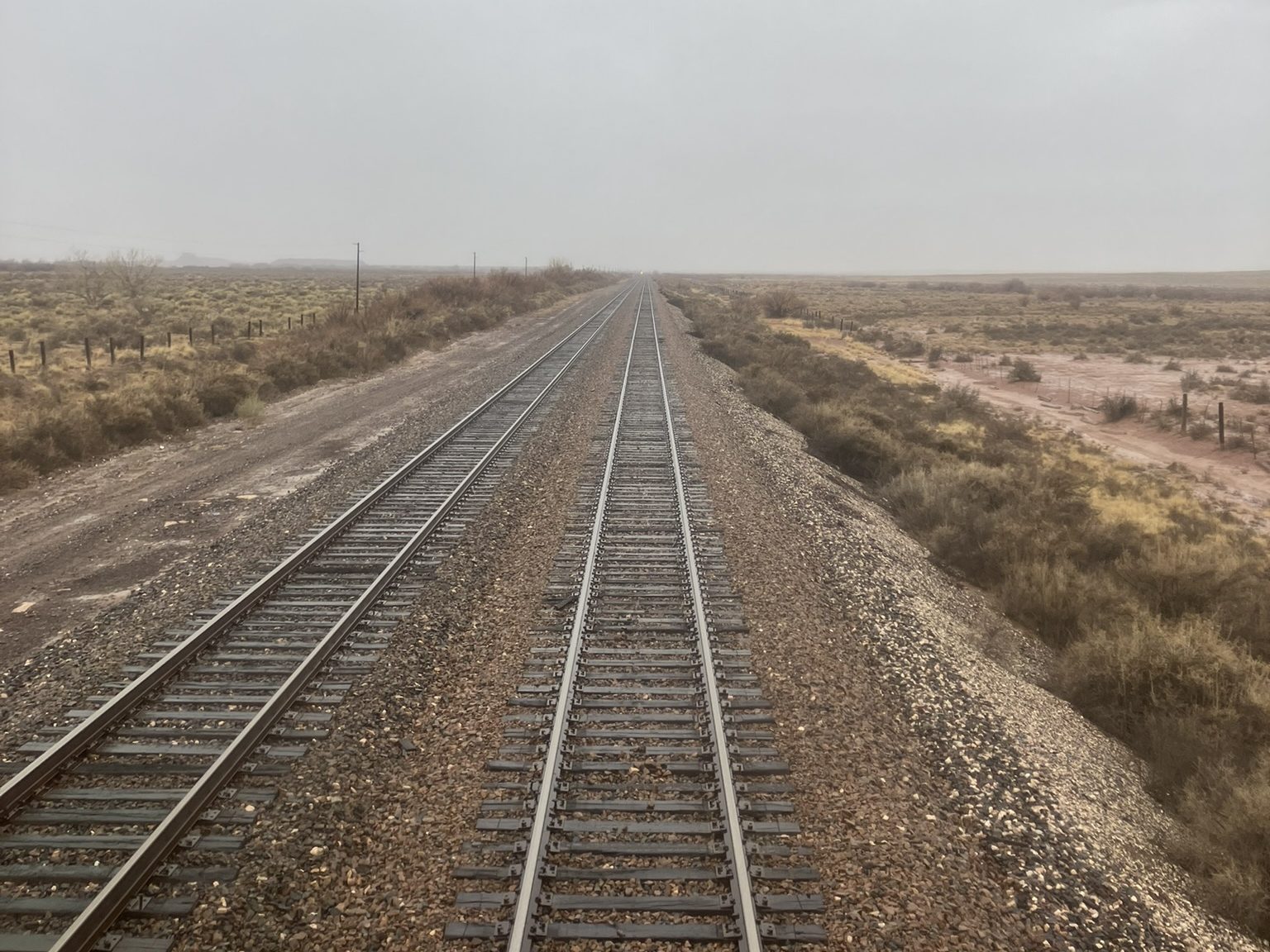
Eventually, we made it to Chicago (only 9 hours late) and while I would have liked to say that this gave me plenty of time to reflect on Flagstaff, but I mostly spent the extra time being annoyed and eating Vegan Asian Style Noodle Bowls from the Cafe Car (wouldn’t recommend). So instead of addled train thoughts, you all are getting clear, coherent, Chicago thoughts. You’re welcome.
The Good
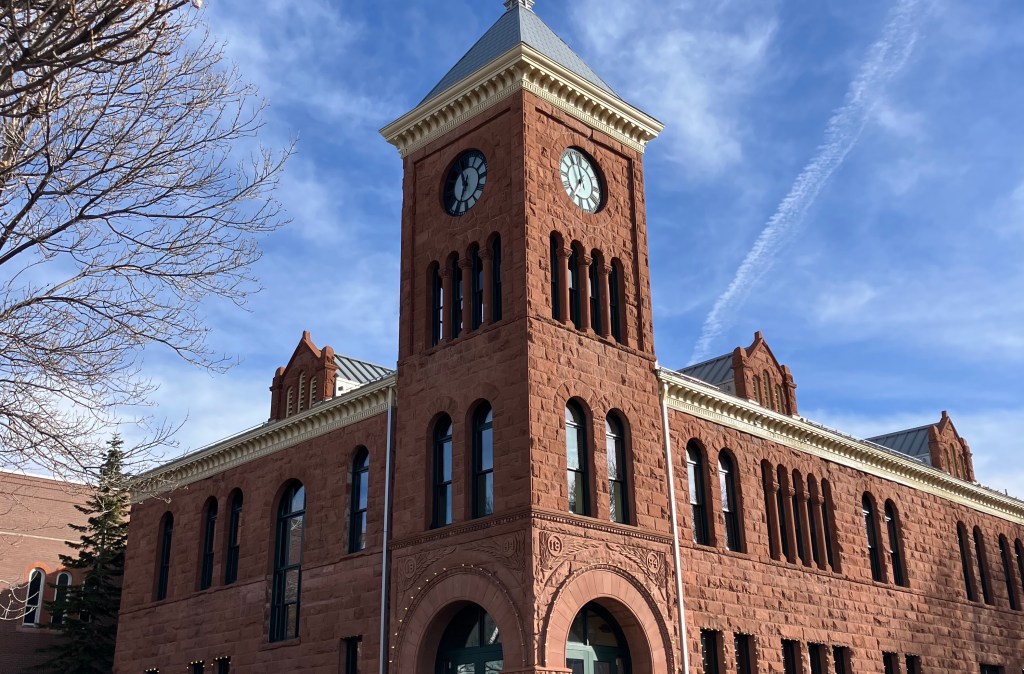
Flagstaff has a very cute downtown. It’s walkable from Olin’s place (maybe 15 minutes) too! And while it is definitely angled for tourism, I found it to be more charming and “regular” than other former resource extraction towns turned outdoorsy tourist hotspots that I’ve been to. Maybe this has something to do with Flagstaff having long been a tourism center, being the closest city of note to the Grand Canyon or maybe I am partial to it because Olin lives there.
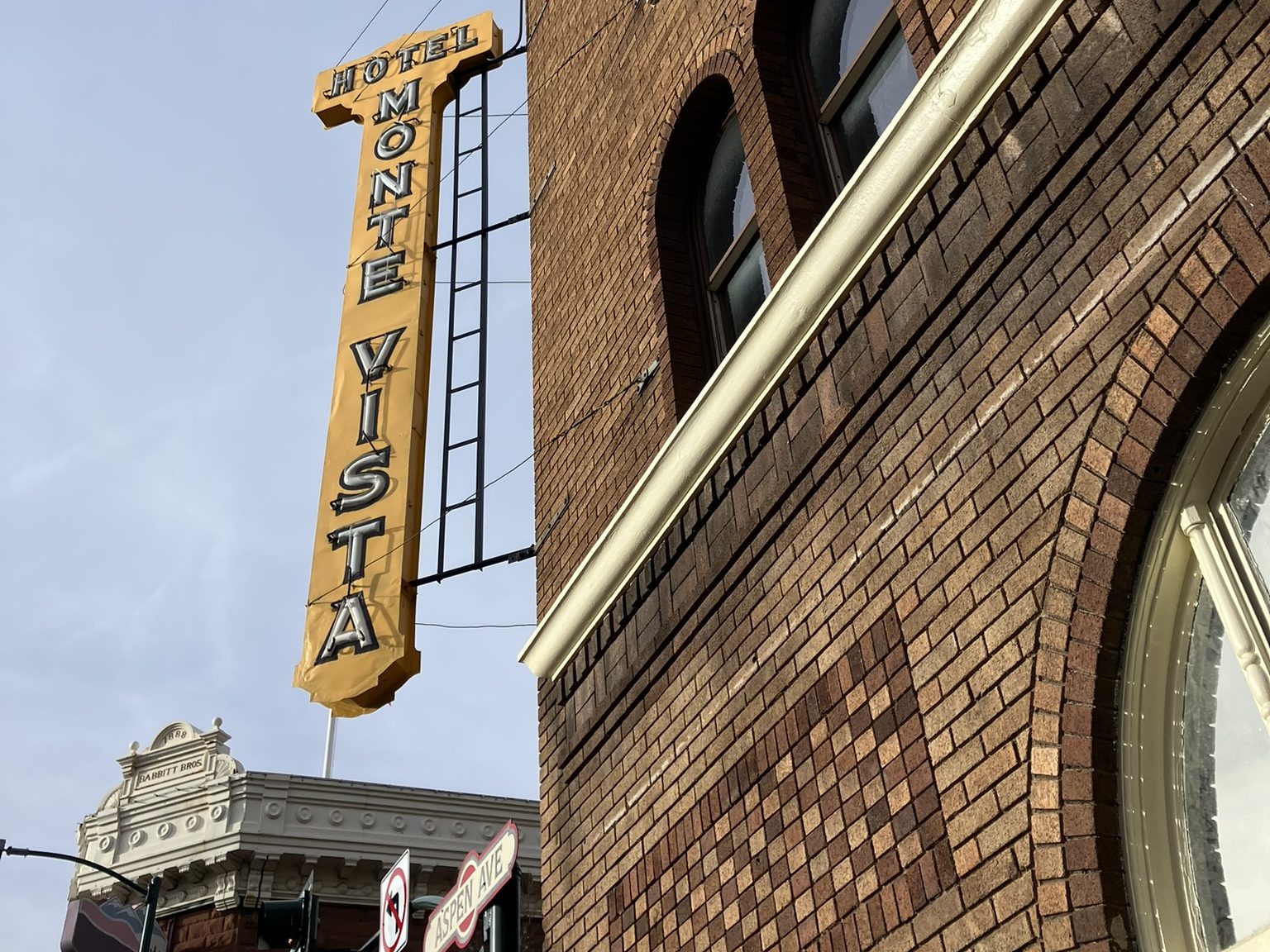
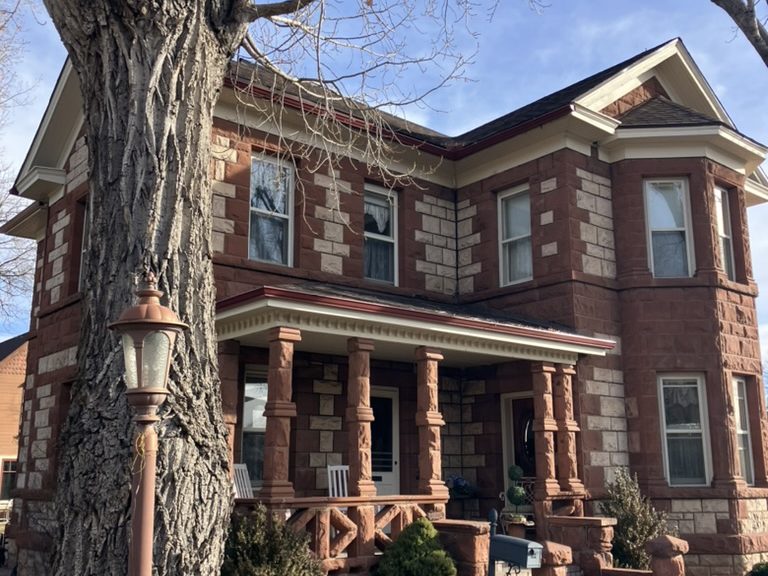
The neighborhoods surrounding downtown also are on the cute and charming side. A fair assortment of quaint single family homes, apartments with more parking than I’d prefer, and historic buildings (like old churches) make walking fairly nice. A reasonable grid, sidewalks, and decent tree cover give close-in Flagstaff all the trappings of a place that is worth lingering in.
I had been to Flagstaff before, when my family did Christmas in Sedona in 2019 so I wasn’t shocked to enjoy it this time around. But I did particularly appreciate how train station oriented the city is still. Granted, you can really tell that the Arizona DOT murdered part of the city whenever they expanded Route 66 (more on that shortly) but having an active passenger station that gets a fair amount of ridership helps ground the city in its roots.

Flagstaff, like all US cities, grew up around a railroad. And while locals (Emma and Olin) tell me that the 100+ trains per day on the BNSF Southern Transcon are a nuisance, they also get visitors (not just me I swear!) and can get to the second and third largest cities in the country if they want. I’ve written extensively about the relationship between small towns and railroads before, but I think Flagstaff is exemplary of how passenger service matters for a place’s relationship with a railroad. Of course it’s a dividing line, and 100 trains a day are a nuisance – but at least it also offers some positives to people living there.

The Bad
As much as I loved the downtown, Flagstaff also has some aspects that make an intrepid pedestrian frustrated and sad. For starters, it’s plain to see how poor of an influence Route 66 has been on the urban fabric. While the so-called “Mother Road” is an iconic part of Americana thanks to authors like John Steinbeck, it’s also a legacy state highway that is too wide for its own good. Near downtown, it seems that a project to widen the road probably destroyed a fair amount of the historic core – probably in the 1950s or 1960s.

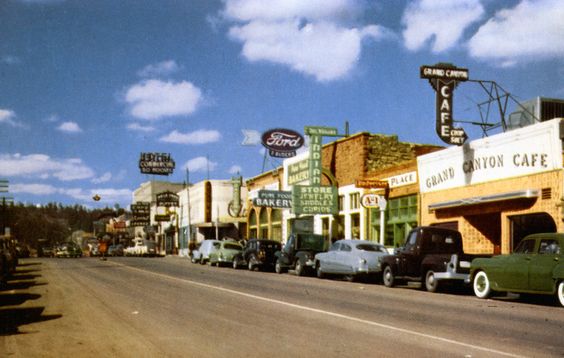
This historic view is probably looking north west, with the train station just out of frame on the left (the Grand Canyon Cafe is still there). The road these days is much wider than it is in this shot, with 5 lanes. While it’s difficult to see if there is much of anything on the left side of the road, given its location next to the railway I would assume it had some depots and other light warehousing that was likely demolished to account for increased automotive traffic. This happened all over the country – including in Oregon where ODOT functionally destroyed the city of Linnton to widen Highway 30 – and there is a bitter irony to it here.

Route 66 as a storied piece of American history, but it also caused damage to the fabric of the small towns and places it passed through. Widening projects eroded the fabric of the charming towns, and once the Interstates came to bypass the downtown areas altogether much of the economic activity shifted out towards the freeway exits. Flagstaff has done better than many other cities of its kind, but the continued existence of a 5 lane highway through the middle of town erodes the walkability and charm that would have been present before increased automotive traffic “necessitated” the state widening the road to accommodate said traffic.

It’s not just Route 66 either. The newer areas further out from downtown exhibit the signs of automotive design, with poorly connected local streets and extreme amounts of parking. In particular, I found the Aspen Place at the Sawmill (groan) development to be a good example of how shitty modern developments are when they focus on cars. It’s hard to walk to – even from the relatively close NAU campus – since the streets don’t really line up well, and S Lone Tree Ave is another 5 lane barrier to walking.
And of course, there is an extremely ostentatious amount of parking. It really reminds me of a place like Hilldale in Madison – upscale shopping surrounded by a truly offensive amount of parking. Good thing the locals can drive their car to the local Cyclebar to get a little sweat in, lord knows they aren’t walking or biking there. Why does every place feel the need to build places like this? It’s not pleasant, and the fact that cities so frequently use tax-increment financing* to create places like this really annoys me too. It’s one thing to have a place like this exist, its another for it to be a favorable and subsidized outcome.
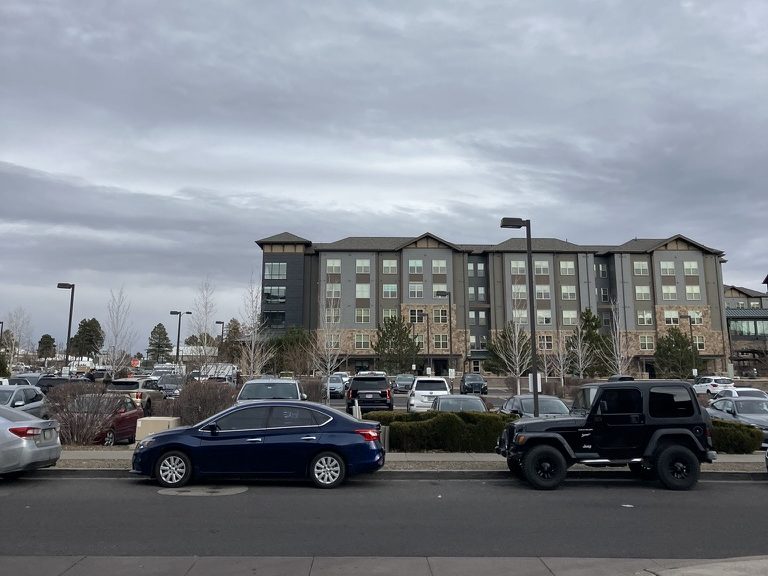
*I don’t know if Aspen Place at the Sawmill is actually a TIF district or not, but I do know that lots of the new development of this kind in Madison has been. I also think TIF is fine, but that it should be used to build places that are actually beneficial for both the city long term and for the fabric of the urban area for more than just cars.
The Grand
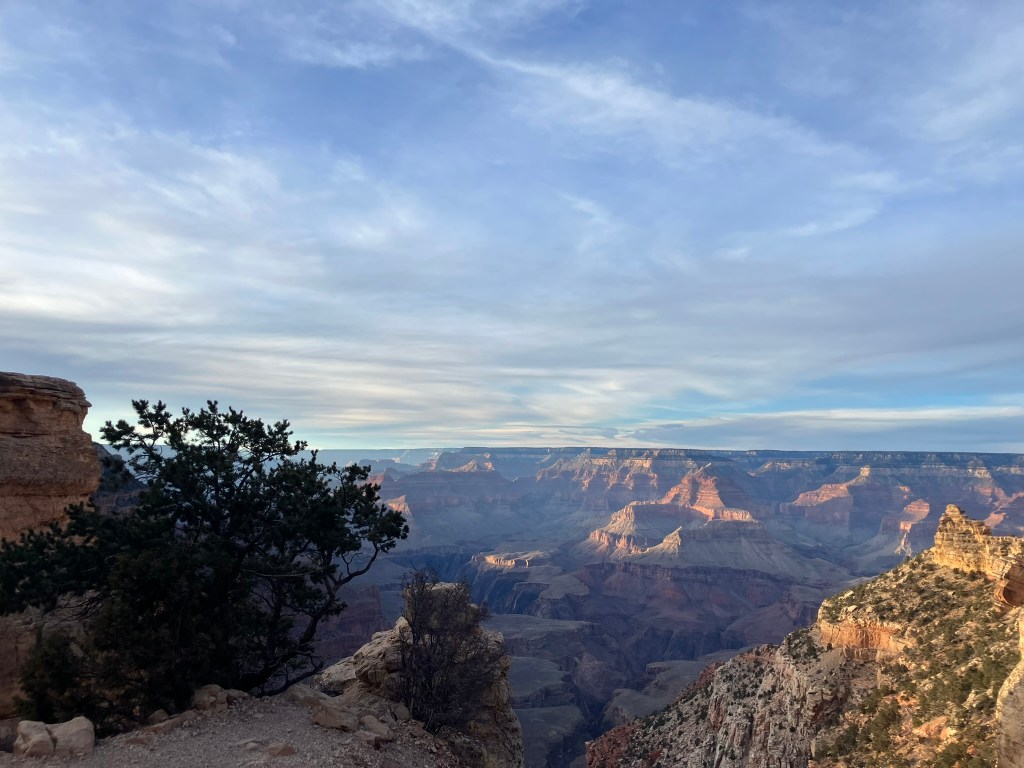
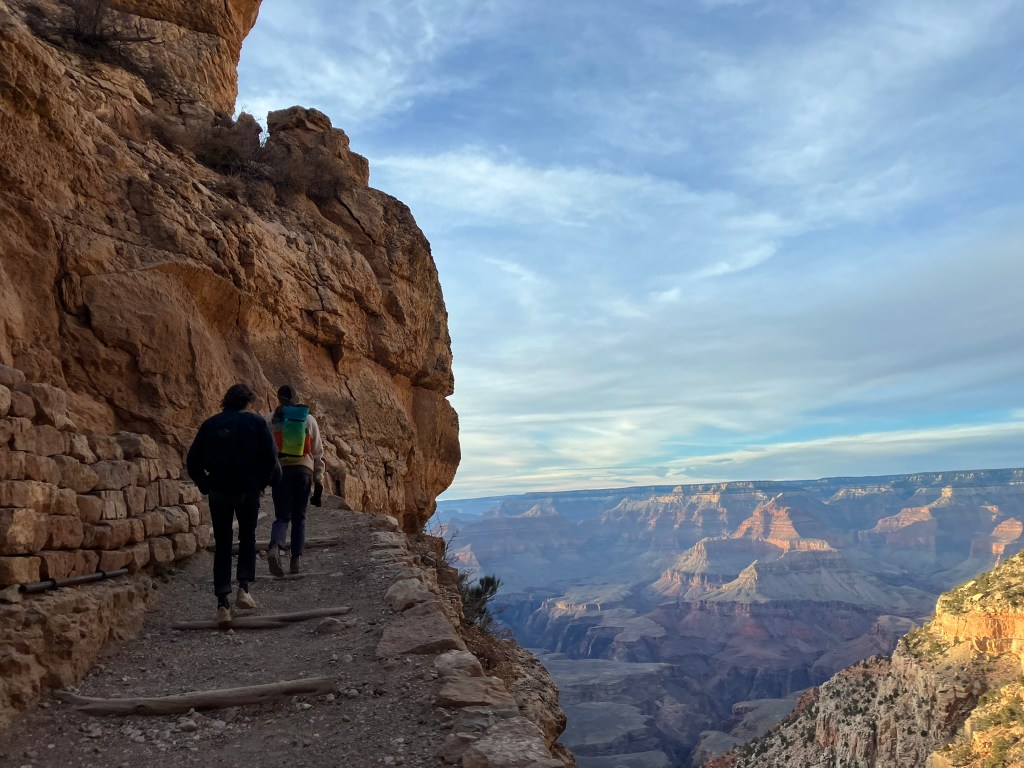
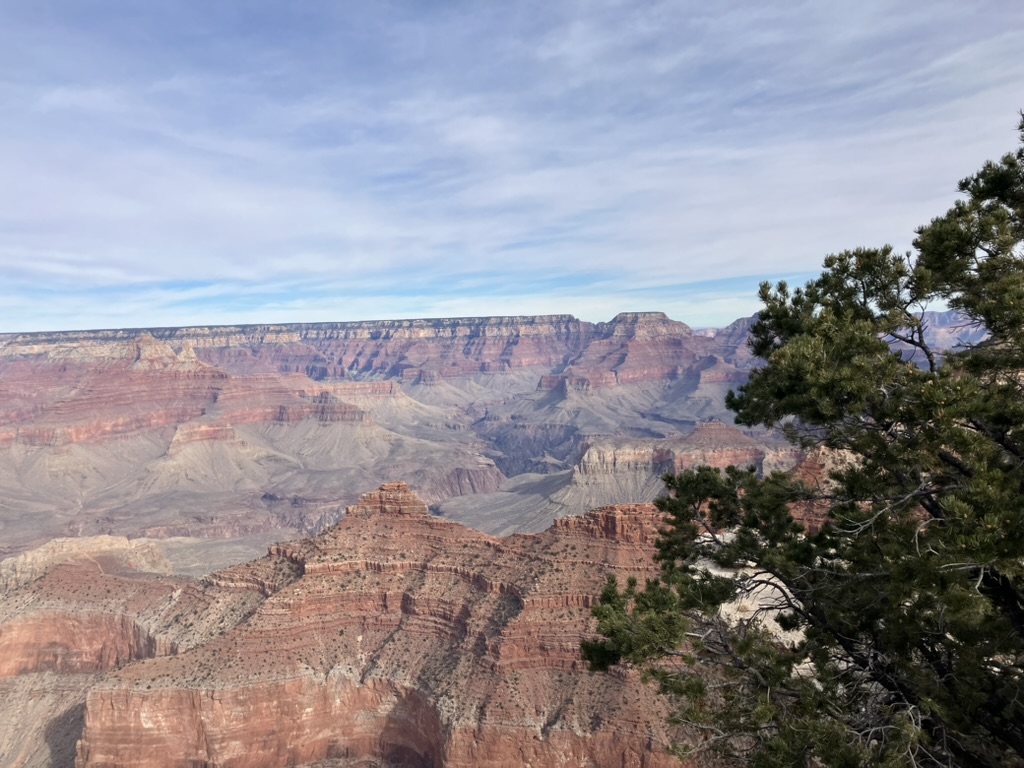
Flagstaff is the closest city to the Grand Canyon. If you haven’t ever been, it’s 100% worth the trip. No picture can convey the emotion or the subtle light in the canyon. No words that I could write could ever convey how cool of a place it is, and the trip Olin, Emma and I took there was lovely. So here are some pictures that also don’t convey how beautiful it is.

What Does It All Mean?
Flagstaff is definitely worth a visit, no matter what kind of place you like. There’s cool restaurants, a great downtown, a train station, and one of the most scenic places in the world just a few hours north. I’m not sure I’d live there, since it is quite small (at just 75,000 people), but some people prefer a smaller place to a larger one. If you like small cities, I’m not sure you can do much better than Flagstaff. It may have its issues, but they are issues it shares with every place in the country.
And if you do decide to visit, the Southwest Chief is a great way to get there. All of the downtown hotels are within a short walk of the station, and three days in Flagstaff would be enough to see most of the city – plus time to visit the Grand Canyon (there are shuttles from Flagstaff to the park).
I’ll be back to visit again I’m sure, and hopefully that time my luck on the train will be a little better. If I’m really lucky, the railroads will be nationalized and there will be 10 trips a day between LA and Chicago on the former ATSF mainline, and it will be electrified. Maybe don’t bet on that.
Til next time!


 City Hikes
Leave a reply to adventurepdx Cancel reply