
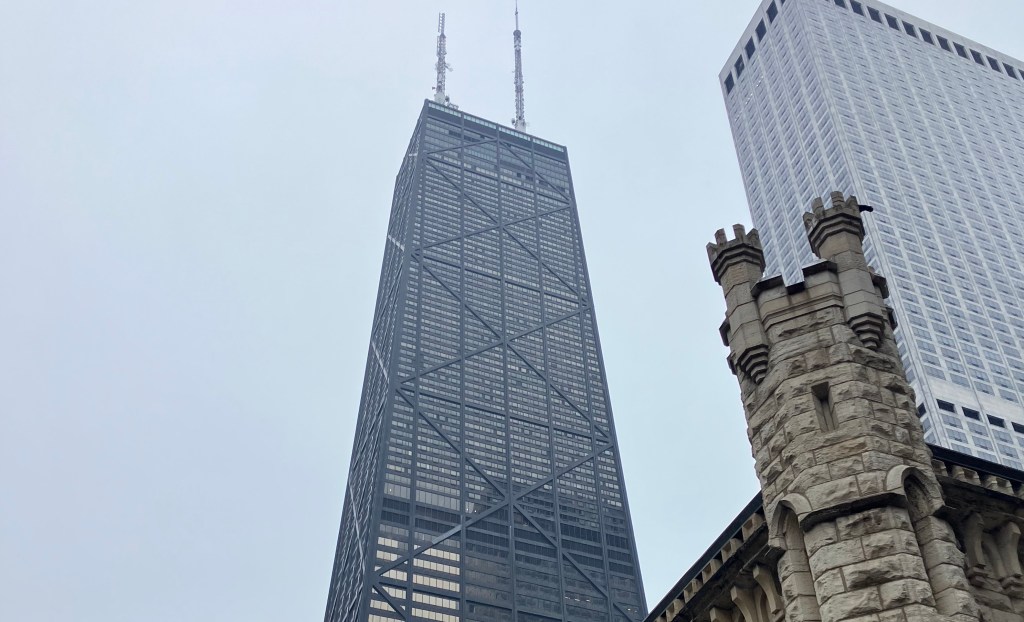
After my harrowingly long journey on the Southwest Chief, I got off the train at Union Station in a hurry. I had six minutes to catch my bus to the hotel, and it was just my second time trying to navigate the mammoth complex. I rushed to what I thought were the front doors, only to find them all locked. A quick detour led my outside to Jackson Street and the CTA Union Station bus terminal, just to see the 151 pulling away. Running after it, I checked my phone only for it to tell me that the bus left a minute early. Out of breath, I resigned to my fate.

Luckily for me, this fate was to wait 4 minutes for a train to take me from Quincy to State/Lake on the Loop. Not so bad, though the bus leaving early certainly left me with a bitter taste in my mouth. Normally, I wouldn’t be too pressed about catching a specific bus, but given that it was almost midnight and I hadn’t seen Olivia in ten days, maybe you can excuse my hastiness.
In any case, it’s hard to explain just how much I like Chicago. I could write glowingly about the typical trappings of urbanism – trains, density, architecture, or culture – and I may end up doing that. But for me, Chicago is something far greater than the sum of its parts. Call it my Midwest superiority complex, or a feeling of connection to my many family members who have called the city home, but Chicago stands alone. When I walk around a neighborhood in Chicago, I just care a little more than I do in Los Angeles or even my adopted home of Portland.

I am not willing to dismiss this as mere sentimentality; I am extremely proud to be from this part of the world. Even to the point that I will vote for Chicago, Milwaukee, and Saint Paul in pointless Twitter polls regardless of the merits of their competitors. Yes, there are tons of historical issues present in Chicago, Milwaukee, and the rest of the upper Midwest more broadly – especially concerning racism and divestment. But I feel a deep sense of purpose when considering these issues – even more than I do when I talk about the same issues in Portland. Racist planning in the region both affected and were likely perpetuated by my predecessors; but in essence I view these problems as mine to solve, as a part of a complex history that I am an actor in.

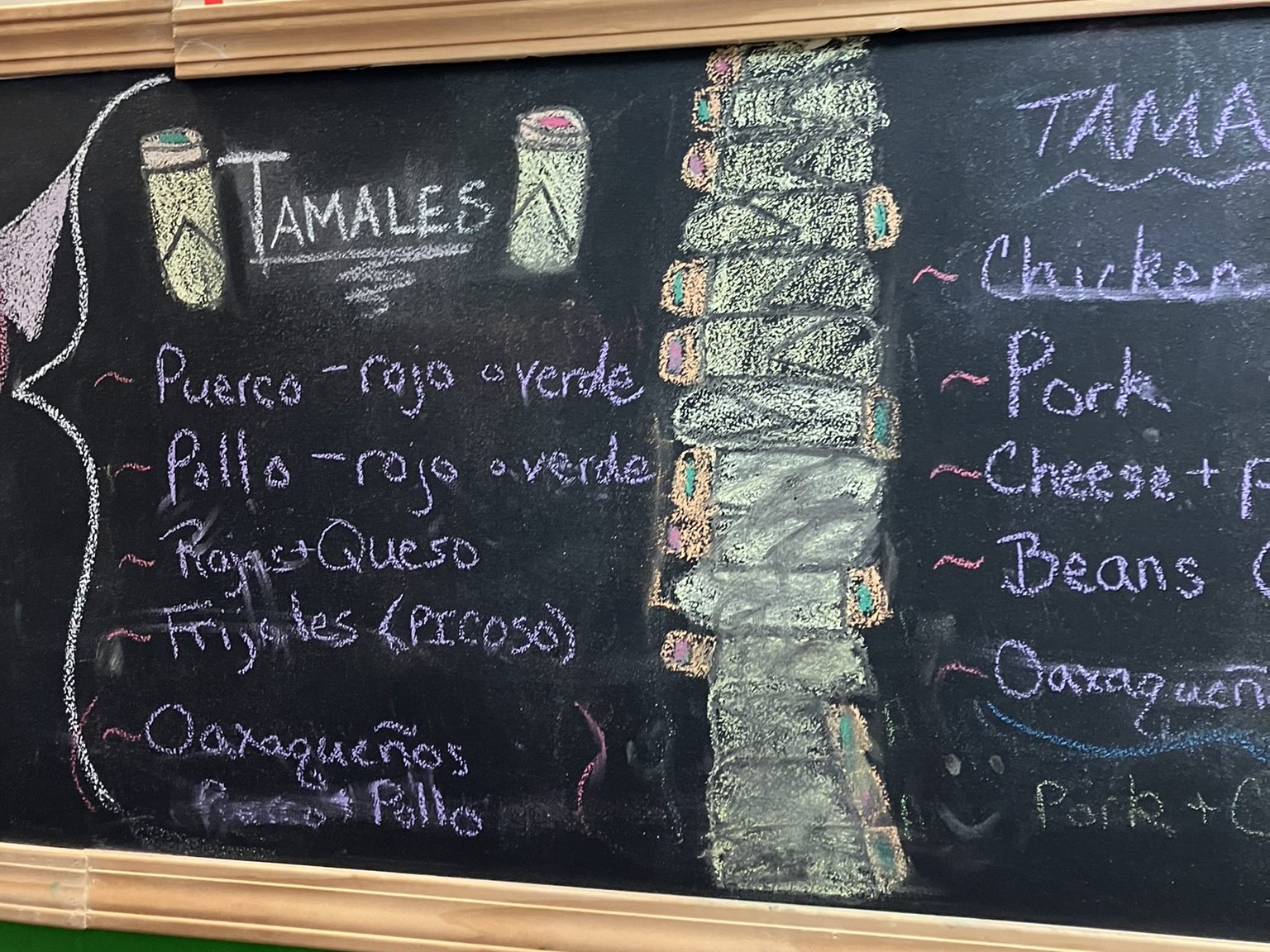
Feeling personally connected to the land and to the people who call Chicago home gives exploring the city a personal feel that is only surpassed by how it feels to be in Madison – my actual hometown. So when Olivia and I visited Pilsen to peruse the National Museum of Mexican Art, it felt like a particularly important excursion. I doubt that anyone I’m directly related to has much to do with Pilsen, as it was primarily a Czech-Slovak-Italian neighborhood until shifting to primarily Mexican by the late twentieth century. But I still identify strongly with it.
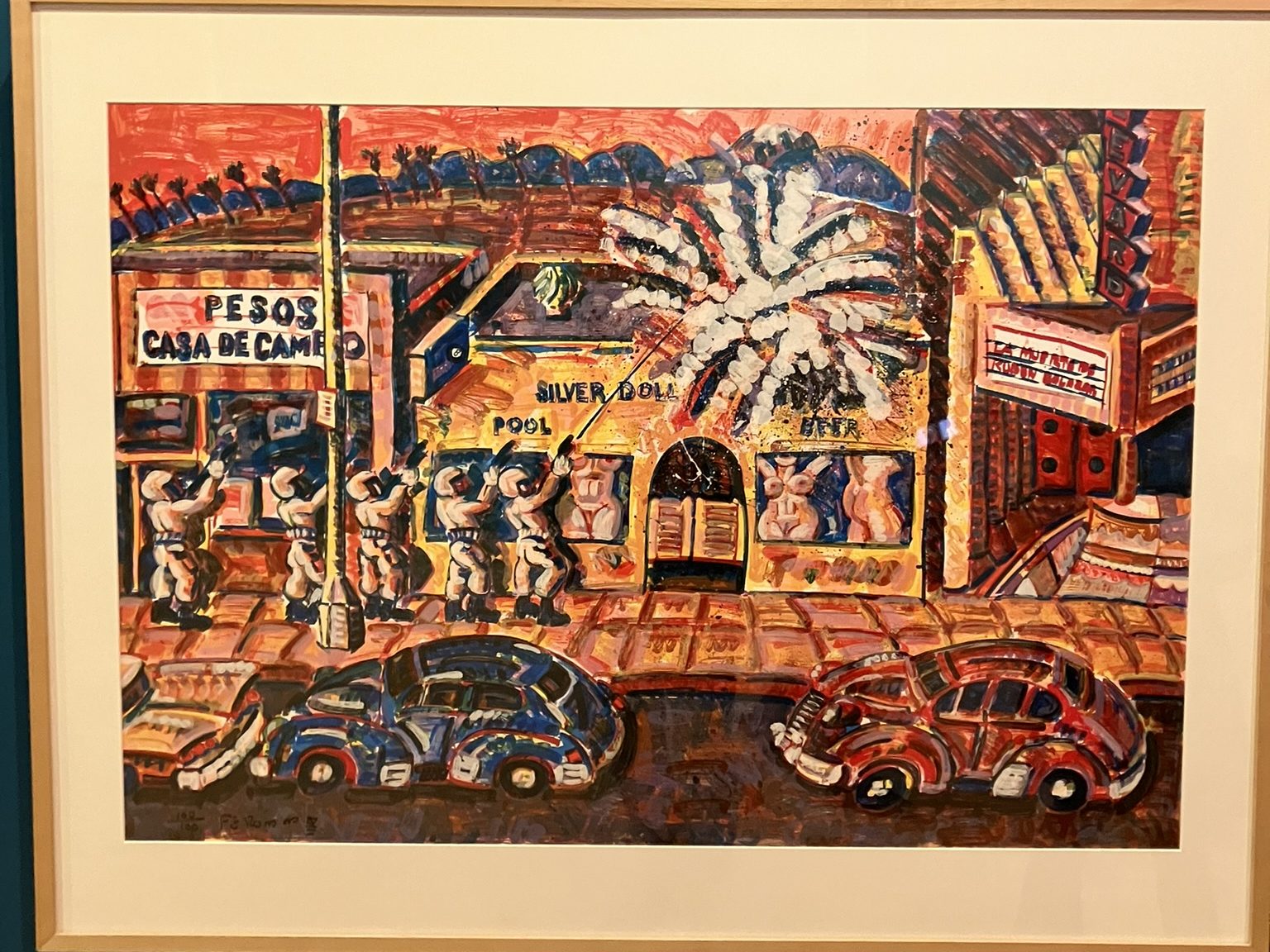
I’m not really qualified to talk in too much depth about the past or present dynamics in Pilsen. But I do know that the experience of being in a Mexican space with Olivia means a great deal to me, and that the experience of being in a place that I strongly identify with makes that even more meaningful. Plus, the tamales we had at Fiesta Tamaleria el Barrio on West 18th were divine.
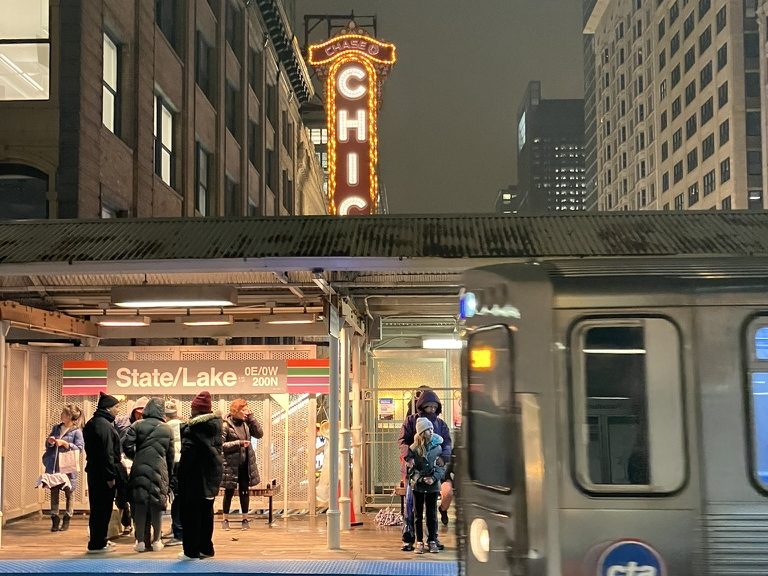
In slightly less sentimental ways, Chicago is endlessly appealing for many more reasons. While the CTA has been under fire for a while now owing to apathetic leadership and embarrassingly low levels of service, as a visitor there’s nothing quite like the L. Riding on an elevated train through the Loop offers a unique vantage point to observe one of the most architecturally stunning downtowns in the world, and even if you aren’t a train loving urbanist it’s hard not to be impressed by the experience (presumably).
For my money, the Loop offers the highest density of interesting buildings in the country. Modernist icons like the Thompson Center mingle with Art Deco classics like the Carbide and Carbon, and there really is something for everyone. Architecture tours are in vogue, and the city is rightfully proud of its heritage. And on that note, if you’re in town make sure you get down to the Thompson Center soon – before construction for the new Google campus potentially alters it. It might not be as urgent to visit as it was previously thought to be, with Google now promising to preserve the center, but I still think it’s worth a visit before anything big happens.
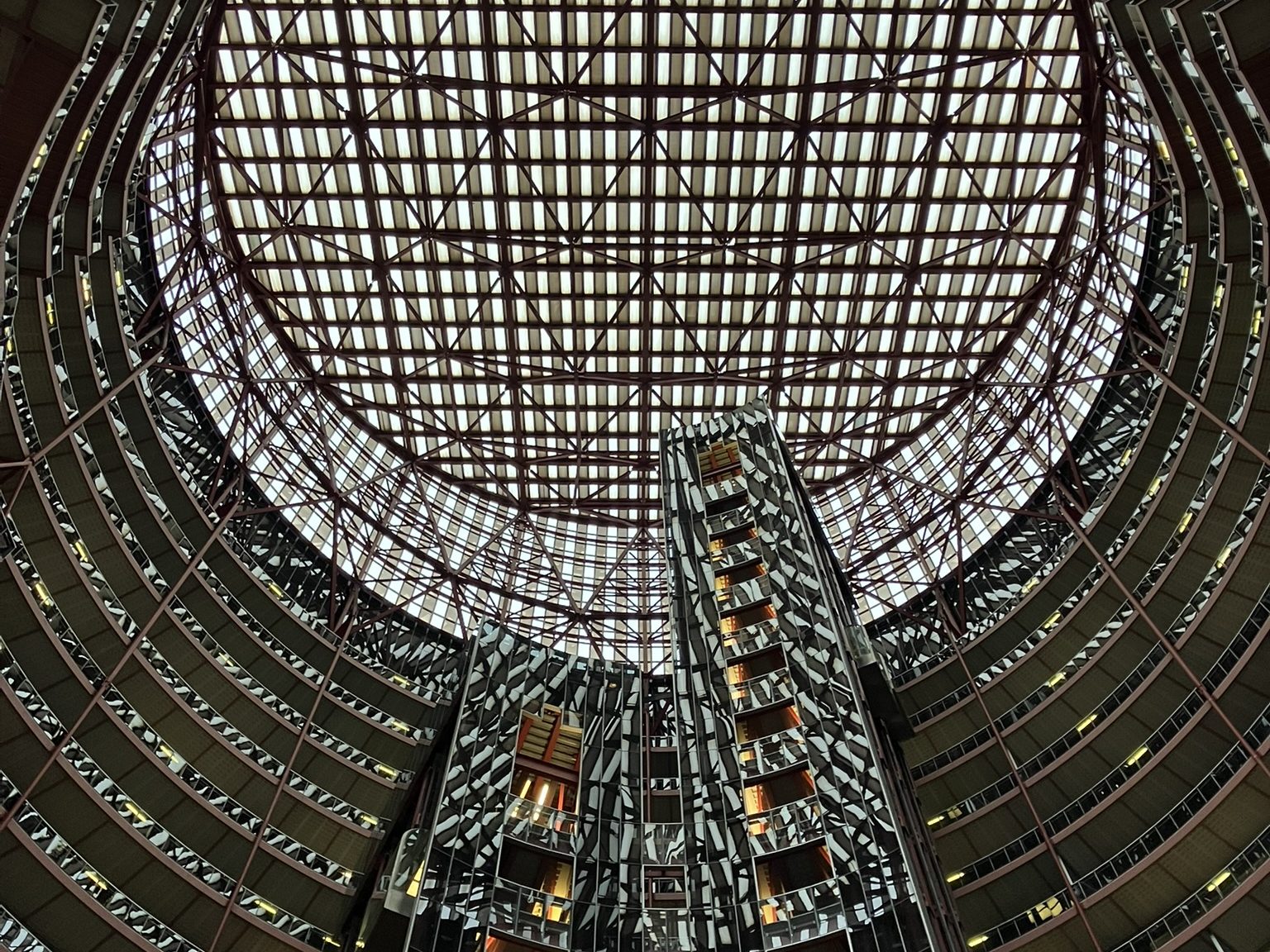
There is something bitterly ironic about Google taking over an iconic public building whose openness is “meant to symbolize the state’s commitment to serving the people“. While both Chicago and Illinois more broadly have a somewhat deserved reputation for government corruption (looking at you Blagojevich), it’s hard to imagine a worse steward of a place built to symbolize openness, transparency, and accountability than Google. Presumably this is nothing new for Chicago though. As a nexus of banking, trade, and commerce more broadly, capitalist interests have been a driving force in creating the sorts of spaces I enjoy so much in the city – especially the ones relating to trains.
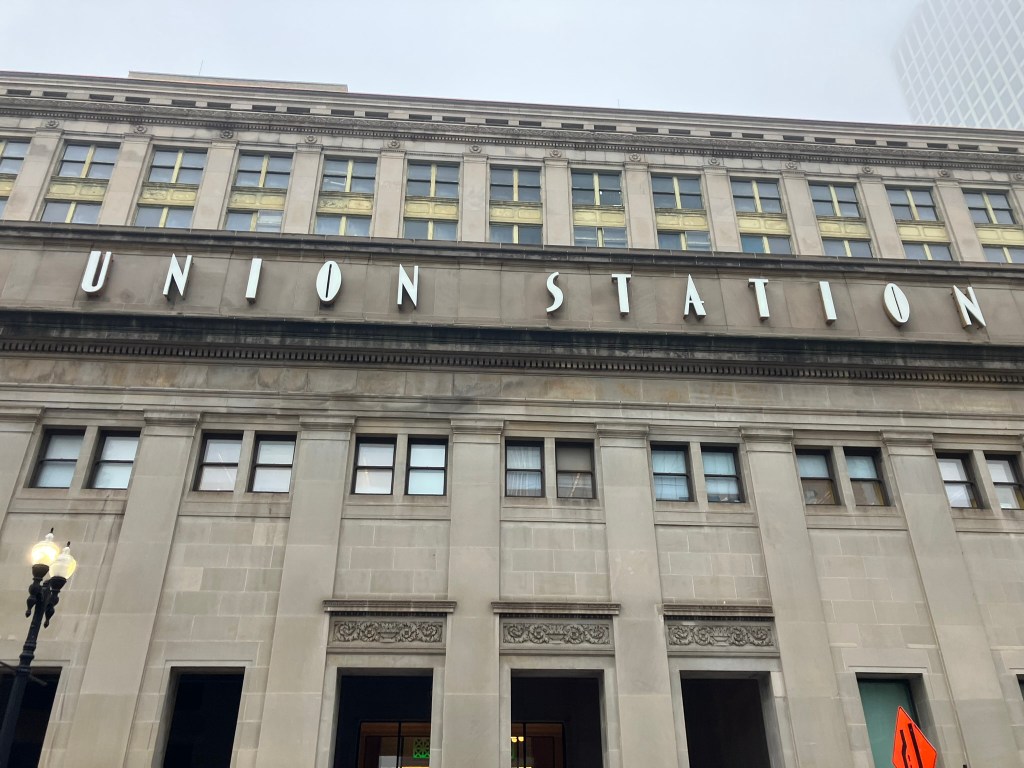
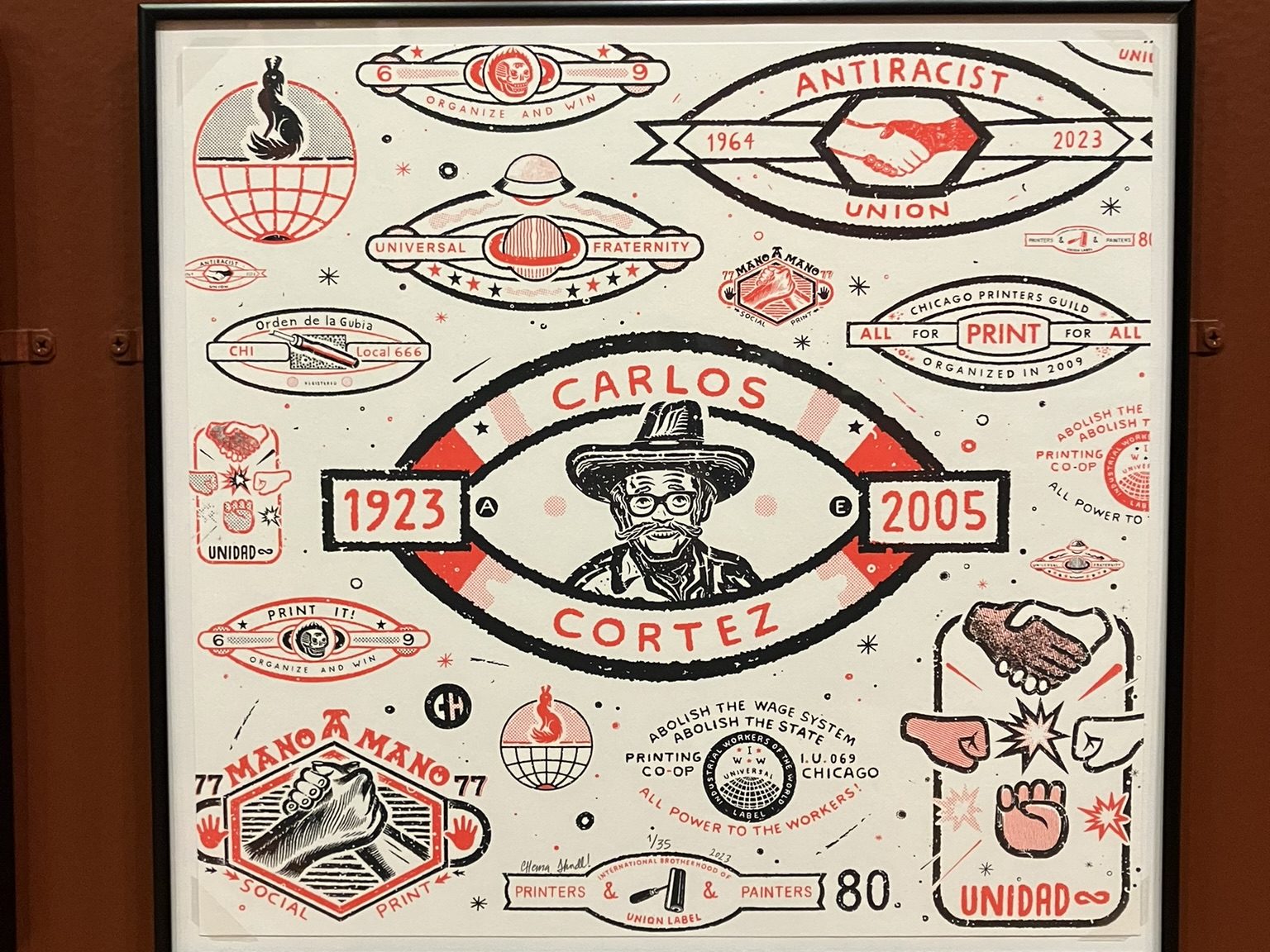
But again, the history of Chicago is far more interesting than just the history of a stock exchange, bank, or tech company. It’s the birthplace of the eight hour day, the IWW, and of course was the site of the infamous Haymarket Affair – which is honored by workers everywhere on May Day. And unlike a lot of other places, there are actual monuments to working class struggles in Chicago- including the National Museum of Mexican Art which happened to be hosting an exhibit dedicated to famed Wobbly Carlos Cortez when we visited.


Maybe more than any other city, working class struggles have publicly framed Chicago’s reputation – and this extends to the present day. While the “one map of Chicago” is all too real, I think it’s important to understand how this issue of racialized poverty affects economic opportunity more broadly. Chicago proper has more or less retained its classical urban form, but is presently extremely bifurcated. Tech, finance, banking, and other high-paying sectors have remained concentrated in the Loop and are easily accessible via public transportation. Highly paid professionals need not purchase extra automobiles, and are free to channel those savings into whatever they see fit.
Unfortunately, lower paying jobs – or even just lower barrier to entry industrial jobs – have not had the same trajectory. This is plainly evident from just how the port of Chicago has moved from the mouth of the Chicago River, to the Calumet, and then to the Indiana/Gary area at the Grand Calumet. While the reasoning for this shift is multi-faceted, and I’m not interested in typing a lecture on Bid-Rent theory, the end result is that industrial jobs typically require a car for access. It’s not even possible to take public transportation to the industrial cities of Hammond and Whiting (outside of Amtrak), as they shut down their bus system in 2012.

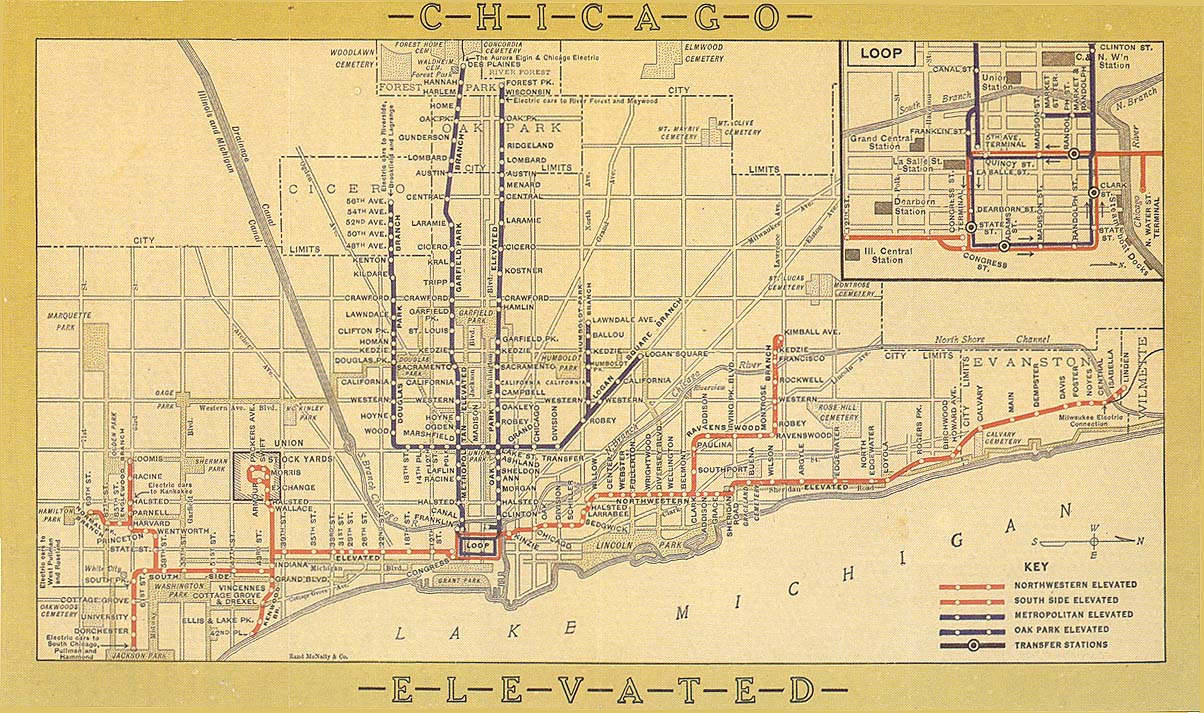
Quality public transportation connecting with low barrier job centers needs to be a much higher priority for Chicago. My unqualified suggestion is to bring back the Stock Yards branch of the South Side Elevated, which used to serve the largest meatpacking facility in the world. That facility is no longer with us, but a clustering of industrial jobs does remain in the area. It’s great that Chicago retained its historic rapid transit infrastructure (mostly), but it’s painfully obvious that better transit to job centers that aren’t in the Loop is needed.
Anyways, this is all a bit rambling. The broader point is more that Chicago is extremely interesting, and that makes it a great place to both visit and walk around. Far too many places in this country are boring, and just like everywhere else. When I’m in Chicago, it’s impossible to imagine that I am anywhere else and because of that, I’m always cooking up new reasons to go. This time it was part of an extravagant transcontinental train trip. Maybe next time it will be for a conference, or just for fun again, or perhaps I’ll end up moving. In any case, it was a great visit.


Leave a comment